Research Articles
Bulk GHK-Cu: Institutional Peptide Sourcing Guide

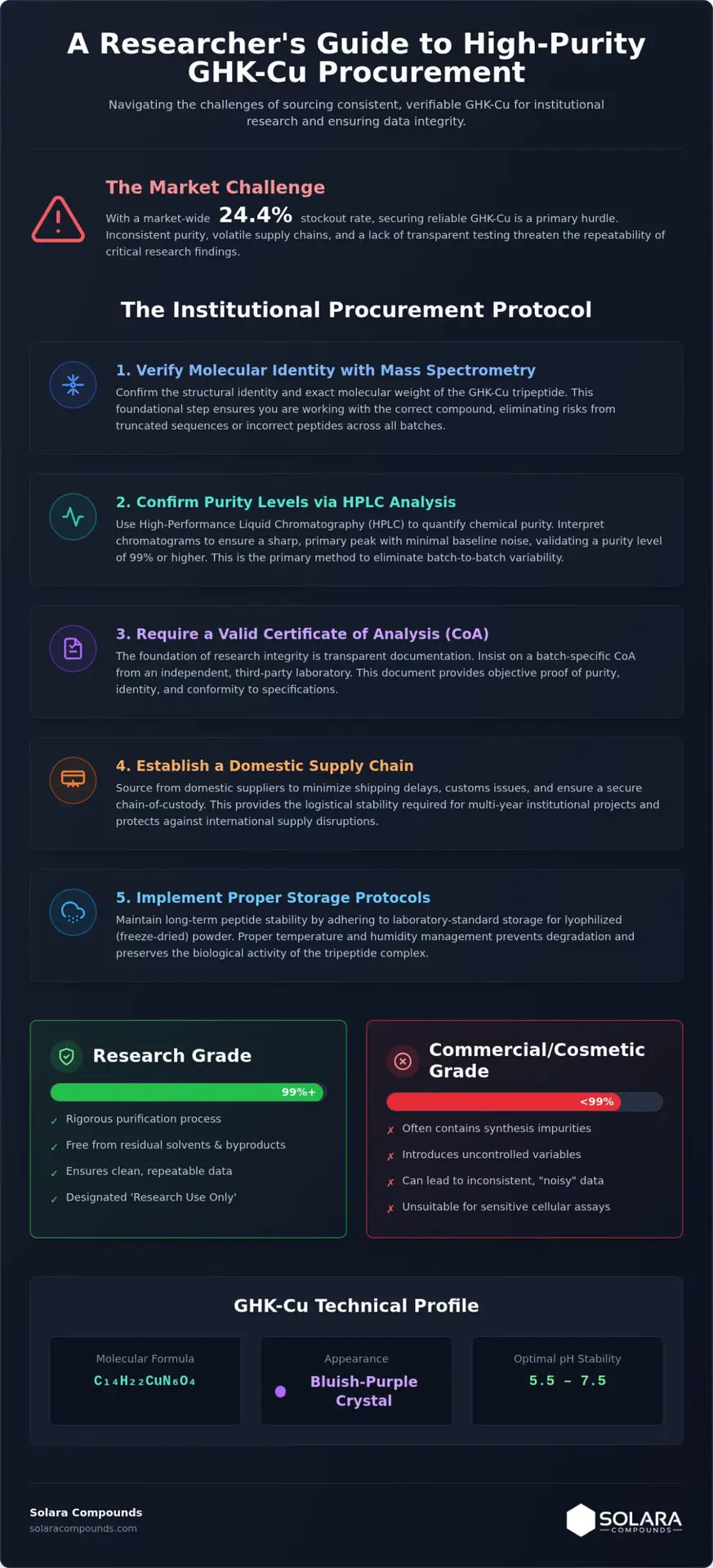
With a current stockout rate of 24.4 percent across the market, the procurement of bulk GHK-Cu for research has become a significant hurdle for institutional stability. Finding a supplier is simple; however, securing a partner that provides consistent molecular integrity is a different challenge entirely. You’ve likely experienced the frustration of inconsistent purity across batches or the lack of transparent third-party testing that puts your long-term study at risk. These variables create unnecessary noise in your data and threaten the repeatability of your findings.
This article provides a technical framework for evaluating purity standards and establishing secure procurement protocols for high-volume GHK-Cu. We’ll detail the necessity of batch-specific Certificates of Analysis and the role of HPLC and Mass Spectrometry in verifying structural identity. By focusing on stabilized lyophilized forms and domestic supply chains, you can move away from the volatility of generic wholesalers. This guide ensures your institution can establish a scalable relationship with a reliable source, allowing you to focus on the science rather than the logistics of material sourcing.
Key Takeaways
- Understand the specific copper-binding affinity of the GHK-Cu tripeptide and how to verify molecular mass through Mass Spectrometry. This ensures structural identity remains consistent across every phase of your study.
- Learn to interpret HPLC chromatograms to confirm purity levels of 98% or higher. High-resolution analysis is the primary method for eliminating the risks associated with batch-to-batch variability.
- Establish a reliable domestic supply chain when sourcing bulk GHK-Cu for research to minimize shipping delays and ensure a secure chain-of-custody. Domestic operations provide the logistical stability required for multi-year institutional projects.
- Identify the critical components of a valid Certificate of Analysis, including batch-specific data from independent third-party laboratories. Transparency in documentation is the foundation of institutional research integrity.
- Implement laboratory-standard storage protocols for lyophilized powder to maintain long-term peptide stability. Proper temperature management prevents degradation and preserves the biological activity of the tripeptide complex.
Molecular Profile and Research Utility of GHK-Cu
The Copper peptide GHK-Cu is a naturally occurring tripeptide consisting of glycyl-L-histidyl-L-lysine. It possesses an intense affinity for copper(II) ions, forming a stable complex that is fundamental to its biological activity. When institutions source bulk GHK-Cu for research, they are typically investigating its role as a signaling molecule in regenerative biology. The compound’s ability to modulate gene expression makes it a primary focus for studies involving tissue remodeling and cellular signaling pathways.
Standardized laboratory protocols frequently utilize the 50mg concentration for GHK-Cu. This specific unit size allows for precise reconstitution and standardized dosing across multiple experimental arms. In vitro applications often center on collagen synthesis and DNA repair mechanisms, where researchers observe the tripeptide’s impact on fibroblast activity and antioxidant enzyme levels. These studies require a material that is free from the additives found in commercial formulations, ensuring that any observed biological effect is solely attributable to the peptide complex itself.
Chemical Properties and CAS 49557-75-7
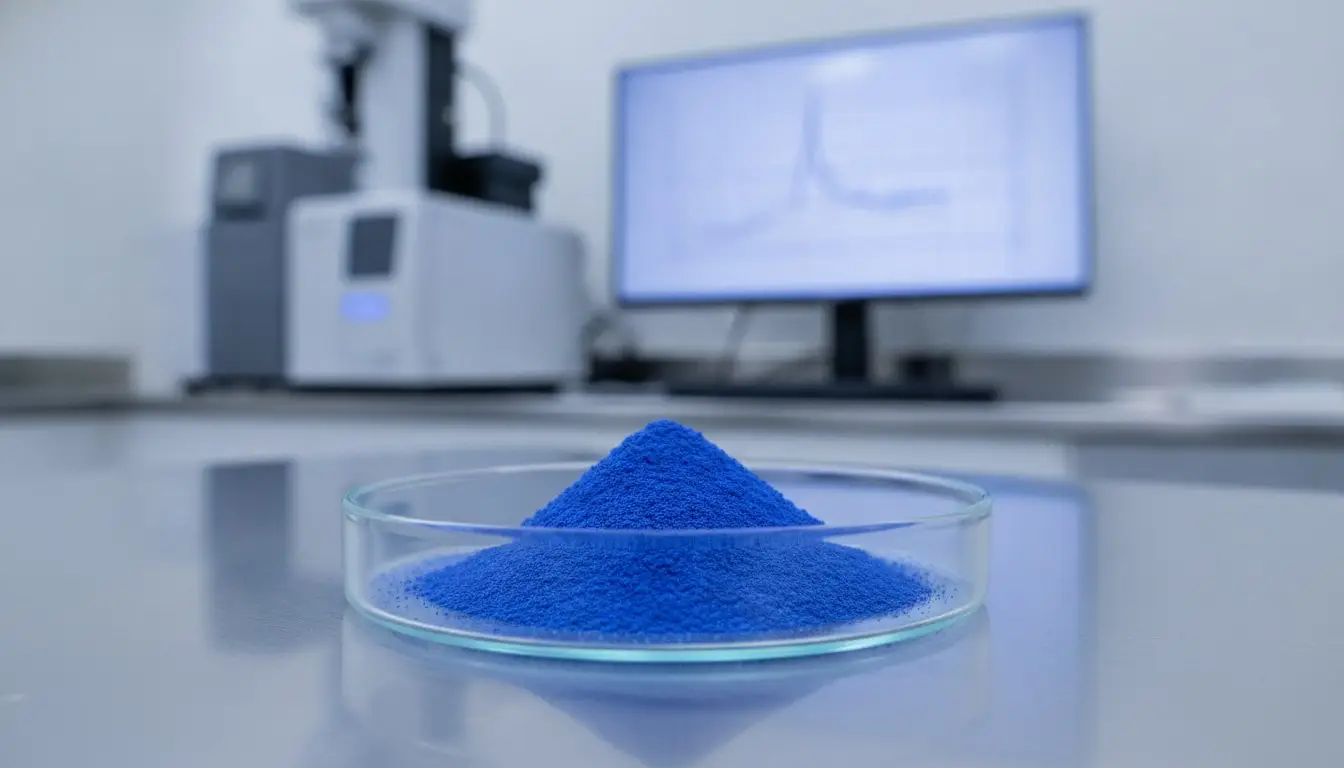
The molecular formula C14H22CuN6O4 defines the structural parameters of this compound. High-purity GHK-Cu is easily identified by its distinct bluish-purple crystalline appearance. This color isn’t merely aesthetic; it serves as a visual confirmation of successful copper complexation. Solubility is a critical factor in experimental design. The peptide is highly soluble in water, but its molecular integrity is sensitive to environment. Researchers must maintain specific pH requirements, typically between 5.5 and 7.5, to prevent the copper ion from dissociating. If the pH shifts too far, the complex breaks down, and the peptide loses the structural properties required for valid research outcomes.
Research vs. Commercial Grade Standards
Quality thresholds distinguish research-grade material from generic wholesale powders. For valid scientific data, a 99 percent purity level is the minimum acceptable standard. Lower-grade cosmetic alternatives often contain residual solvents or synthesis byproducts that can interfere with cellular assays. These trace impurities introduce uncontrolled variables that lead to inconsistent results and “noisy” data. Bulk GHK-Cu for research must carry the ‘Research Use Only’ designation to signify it has undergone the rigorous purification processes required for institutional work. This labeling ensures the compound meets the stringent analytical standards necessary for peer-reviewed studies and long-term project stability.
Verifying Purity: HPLC and Mass Spectrometry Standards
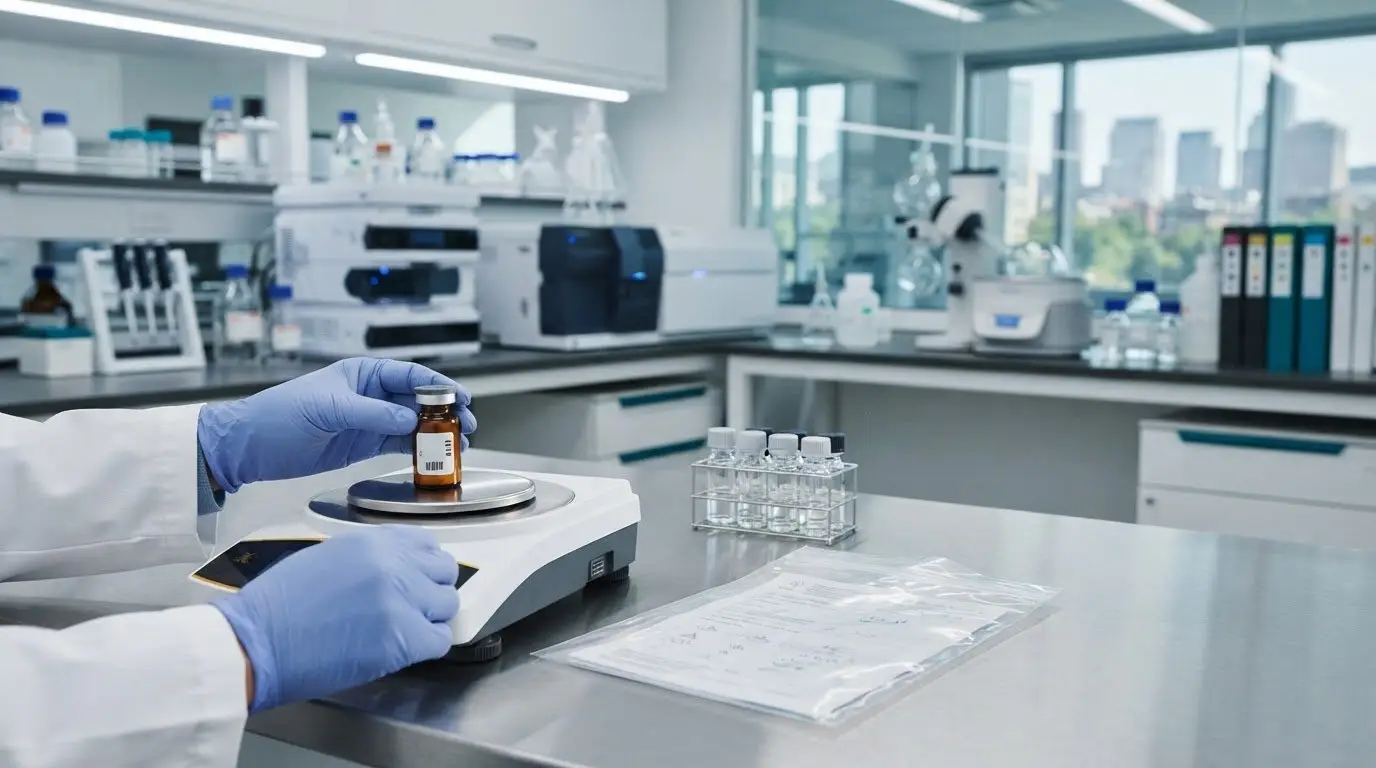
Institutional researchers can’t rely on manufacturer promises alone. High-Performance Liquid Chromatography (HPLC) serves as the primary analytical tool for quantifying the chemical purity of a sample. By separating the tripeptide from synthesis byproducts, HPLC provides a clear visual and numerical representation of the material’s composition. When purchasing bulk GHK-Cu for research, this analysis ensures that the compound meets the 99 percent purity threshold required for sensitive in vitro assays. Without this verification, researchers risk introducing uncontrolled variables that can compromise months of laboratory work.
Interpreting HPLC Chromatograms
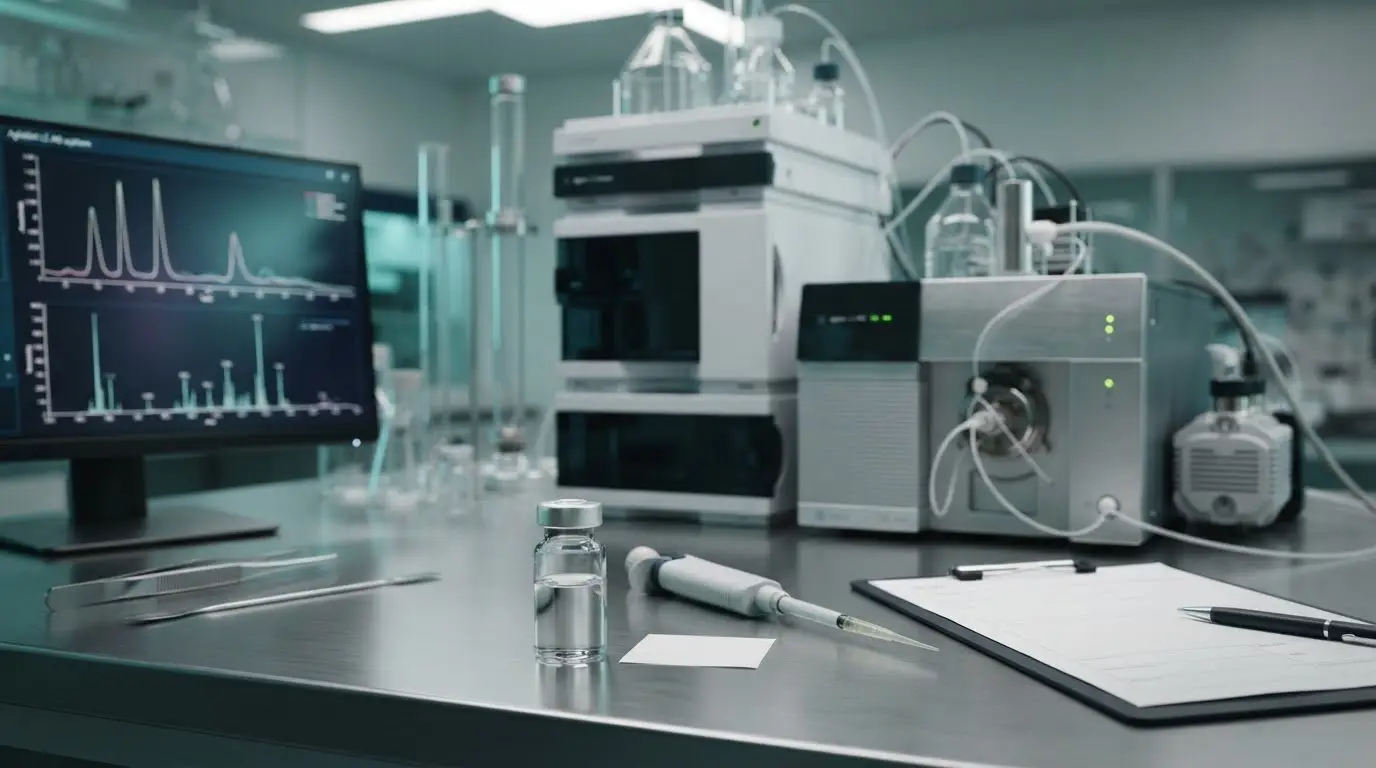
The chromatogram is a map of the sample’s integrity. Researchers should focus on the peak area percentage, which represents the total concentration of the target peptide relative to other detected substances. A sharp, narrow peak indicates high synthesis quality, while a broad peak or significant baseline noise suggests the presence of impurities or degradation products. These artifacts often stem from incomplete peptide coupling or inadequate purification cycles. Retention time is the specific duration a compound takes to pass through the chromatographic column, serving as a unique identifier for GHK-Cu under standardized conditions.
Mass Spectrometry and Sequence Identity
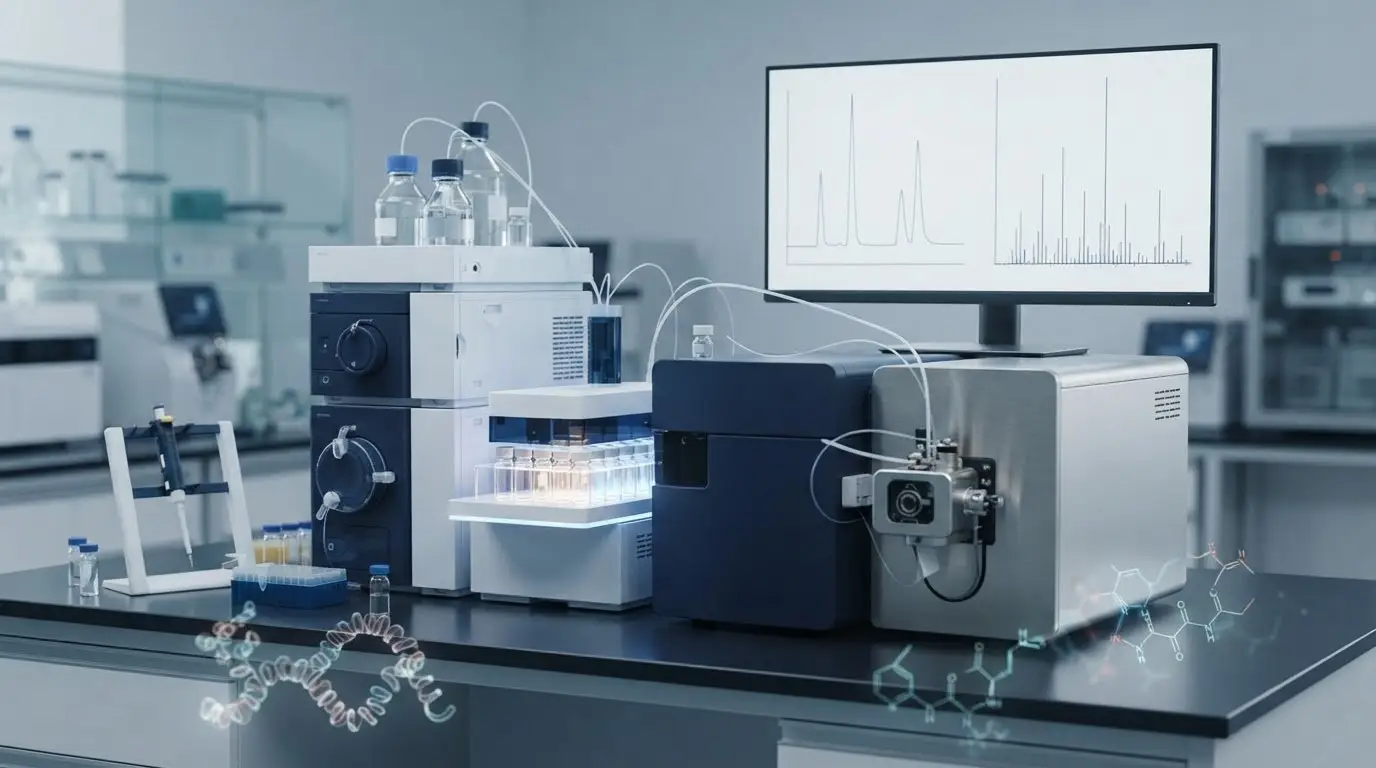
While HPLC measures purity, Mass Spectrometry (MS) confirms identity. It ensures that the substance is indeed GHK-Cu and not a truncated sequence or a different peptide altogether. The analysis should confirm the exact molecular weight of 401.91 g/mol, which aligns with the Molecular Profile and Research Utility of GHK-Cu documented in peer-reviewed literature. MS is also essential for detecting residual solvents like trifluoroacetic acid (TFA) or unreacted reagents that could skew biological data. Third-party verification from independent laboratories provides an objective layer of security that in-house reports simply can’t match.
Batch-specific Certificates of Analysis (COAs) are non-negotiable for institutional projects. A generic COA from a manufacturer doesn’t account for the variability inherent in large-scale synthesis. Low-grade bulk powders often contain high levels of residual salts or moisture, which can significantly reduce the actual peptide content by weight even if the purity percentage appears high. Obtaining fresh, independent testing for every lot is the only way to maintain a consistent baseline across long-term studies. Solara Compounds prioritizes this transparency by providing batch-specific data for every wholesale order, ensuring your research is built on a foundation of verifiable precision.
Evaluating Bulk GHK-Cu Suppliers for Institutional Use
The transition from bench-top pilot studies to full-scale institutional projects hinges on supply chain reliability. Sourcing bulk GHK-Cu for research through international channels introduces variables that most laboratory managers can’t afford to risk. A 24.4 percent stockout rate across the global market indicates persistent supply pressure, making the choice of a procurement partner a high-stakes decision. Reliability isn’t just about availability; it’s about the security of the material from the synthesis lab to your facility’s climate-controlled storage.
Institutions must prioritize suppliers that demonstrate transparency and technical responsiveness. When a researcher has a specific inquiry regarding the trifluoroacetic acid (TFA) content or the specific HPLC equipment used for verification, the supplier’s ability to provide a detailed, data-driven answer is a hallmark of professional competence. This level of support distinguishes specialized peptide providers from generic chemical wholesalers who often lack the technical depth to support complex biological studies.
Domestic Supply Chain Advantages
Domestic sourcing eliminates the volatility associated with international transit. When peptides cross borders, they’re subject to customs delays that can extend for weeks, often in environments without temperature regulation. These fluctuations threaten the stability of the lyophilized powder. By maintaining a domestic chain-of-custody, researchers ensure that the material remains within specified temperature ranges throughout the shipping process. Additionally, US-based operations provide direct alignment with domestic research chemical regulations, simplifying the administrative burden on institutional compliance officers.
Procurement Logistics for Universities and Labs
Scaling a project requires a partner capable of moving from individual 50mg vials to kilogram-scale orders without a drop in purity. Establishing wholesale purchase agreements allows labs to lock in consistent batches, ensuring that the material used in year three of a study is identical to the material used in year one. This repeatability is the bedrock of scientific integrity. For institutions managing multiple departments, streamlining peptide procurement for universities through a single, verified source reduces logistical friction and ensures a standardized quality across all experimental arms.
Before qualifying a new vendor, use this audit checklist to ensure they meet institutional standards:
- Batch-Specific Documentation: Does the supplier provide unique HPLC and MS reports for every lot, or just a “typical” analysis?
- Chain-of-Custody: Is the shipping process secure and monitored to prevent environmental degradation?
- Technical Support: Is there a dedicated point of contact who understands the molecular nuances of copper peptides?
- Scalability: Can the supplier meet increased demand while maintaining 99 percent purity thresholds?
Handling and Storage: Maintaining GHK-Cu Integrity
The structural integrity of copper peptides is highly dependent on precise environmental control. When institutions secure bulk GHK-Cu for research, the responsibility shifts from the supplier to the laboratory to maintain that 99 percent purity through rigorous handling protocols. Environmental stressors like heat, UV light, and moisture can catalyze the dissociation of the copper ion or lead to peptide bond hydrolysis. These degradation pathways don’t just reduce the concentration of the active compound; they introduce degraded fragments that can skew in vitro data and compromise the repeatability of a study. Protecting the molecular bond between the tripeptide and the copper ion is the primary objective of any storage strategy.
Optimal Storage Conditions
Long-term preservation of lyophilized GHK-Cu requires a stable -20°C environment. While refrigeration at 4°C is sufficient for short-term use, typically under 90 days, deep-freeze storage is the institutional standard for multi-phase projects. It’s vital to minimize freeze-thaw cycles. Repeated temperature fluctuations stress the peptide bonds and can lead to physical changes in the crystalline structure of the powder. Lab managers should aliquot bulk orders into single-use units before freezing to ensure each sample only undergoes one thaw cycle. Additionally, the use of desiccants in storage containers is essential to prevent moisture-induced degradation, as lyophilized powders are inherently hygroscopic and will absorb atmospheric water if given the opportunity.
Reconstitution and Solution Stability
Selecting the right solvent is the first step in maintaining aqueous stability. Bacteriostatic water is often preferred for its preservative properties, though sterile saline is a viable alternative for specific assay requirements where benzyl alcohol might interfere with cellular signaling. Once reconstituted, the solution must be stored in a dark area of the refrigerator to protect it from light-induced oxidation. The copper-bound complex is sensitive to UV exposure, which can weaken the coordinate bonds between the peptide and the metal ion. High-concentration solutions are prone to peptide aggregation, which can alter biological availability and influence experimental results. For researchers managing high-volume studies, maintaining a strict 28-day usage window for reconstituted vials ensures that the molecular profile remains within the required parameters for valid data collection.
To ensure your laboratory begins with the highest possible baseline of stability, you can source GHK-Cu 50mg vials that are specifically designed for standardized reconstitution and immediate research application.
Streamlining High-Volume Peptide Procurement with Solara Compounds
Solara Compounds bridges the gap between complex material synthesis and the practical requirements of institutional laboratories. When sourcing bulk GHK-Cu for research, the primary concern is often the transition from theoretical purity to actual, batch-specific performance. We provide a specialized alternative to generic chemical wholesalers by focusing on the rigorous demands of the scientific community. Our domestic operation ensures that high-purity GHK-Cu 50mg vials are readily available. This logistical proximity eliminates the delays and temperature volatility common in international procurement. It’s a no-nonsense approach to supply chain management that prioritizes the integrity of your final results.
Quality Assurance and Transparency
Institutional integrity relies on empirical data rather than manufacturer claims. Solara Compounds provides batch-specific Certificates of Analysis for every wholesale order, ensuring that researchers have the precise documentation required for grant-funded projects. These reports aren’t generic placeholders. They represent rigorous third-party testing using the latest HPLC and Mass Spectrometry standards. By prioritizing transparency, we allow lab managers to verify the molecular mass and purity of their compounds before a single experiment begins. This commitment to data-driven quality reduces the risk of project delays caused by material inconsistency. It’s a professional standard that builds trust through expertise rather than flashy marketing.
Establishing a Research Partnership
Scaling a study from a pilot phase to a multi-year institutional project requires a procurement relationship built on stability. We offer tailored solutions for large-scale scientific studies, providing the technical support necessary to navigate complex sourcing challenges. Initiating a bulk procurement contract involves a structured consultation to align our supply capabilities with your specific research timeline. You’ll gain access to batch-specific analysis reports and a secure, national shipping protocol designed to maintain compound integrity during transit. Our team understands the intersection of material science and real-world utility. We’re here to serve as a bridge, helping you navigate technical challenges with precision. Whether your team requires GHK-Cu 50mg for standardized units or larger wholesale volumes, we act as a supportive partner in your long-term success.
Contact Solara Compounds for bulk GHK-Cu research inquiries to secure your laboratory’s supply chain and establish a reliable foundation for your study.
Advancing Institutional Research with Verifiable Precision
Maintaining the integrity of a long-term study requires more than just a chemical supplier; it demands a partnership rooted in empirical data. We’ve explored the necessity of HPLC and Mass Spectrometry to verify molecular mass, alongside the logistical benefits of domestic supply chains. These standards ensure that your data remains untainted by synthesis byproducts or environmental degradation during transit. When you source bulk GHK-Cu for research, the focus must remain on repeatability and structural consistency across every experimental phase.
Solara Compounds supports these rigorous requirements through a commitment to transparency and technical excellence. Every order includes batch-specific COAs and is backed by rigorous 3rd-party HPLC/MS verification to guarantee 99 percent purity. Our secure US-wide shipping protocols preserve the stability of sensitive materials from our facility to your laboratory. Don’t leave your project’s success to chance. Secure High-Purity GHK-Cu for Your Research at Solara Compounds and establish a reliable foundation for your next scientific breakthrough. We’re ready to help you navigate your most complex procurement challenges with precision.
Frequently Asked Questions
Is GHK-Cu sold by Solara Compounds suitable for human consumption?
No, the GHK-Cu provided by Solara Compounds is not intended for human consumption, medical use, or therapeutic application. It is sold strictly as a research chemical for laboratory-based in vitro studies and institutional projects. Researchers are responsible for ensuring that all handling and experimental use comply with federal regulations and institutional biosafety guidelines. Maintaining this distinction is critical for regulatory compliance and laboratory safety.
What is the purity level of your bulk GHK-Cu for research?
Our bulk GHK-Cu for research maintains a minimum purity threshold of 99 percent as verified by independent analytical testing. This high level of refinement is essential for scientific accuracy, as it minimizes synthesis byproducts that could interfere with sensitive cellular assays. Every lot is held to this rigorous standard to ensure repeatable experimental outcomes across multi-phase projects. We prioritize molecular integrity to support the highest levels of institutional research.
How do I access the HPLC and MS reports for my specific batch?
You can access batch-specific HPLC and Mass Spectrometry reports directly through the procurement documentation included with every order. We provide these Certificates of Analysis to ensure full transparency regarding molecular mass and chemical purity. This empirical data serves as the foundation for your laboratory’s quality control records and grant reporting. Providing lot-specific verification allows researchers to proceed with confidence, knowing their material meets the required structural benchmarks.
What are the storage requirements for bulk GHK-Cu powder?
Lyophilized powder should be stored at -20°C for long-term preservation, which typically maintains stability for 12 to 24 months. For short-term use under 90 days, refrigeration at 4°C is acceptable if the environment remains stable. Always protect the vials from light and utilize desiccants to prevent moisture-induced degradation of the tripeptide complex. Proper storage is vital for preventing the dissociation of the copper ion from the peptide chain.
Does Solara Compounds offer tiered pricing for university researchers?
Yes, Solara Compounds offers structured tiered pricing for university researchers and large-scale institutional projects using bulk GHK-Cu for research. These wholesale arrangements are designed to support multi-phase studies that require consistent material across long durations. By establishing a procurement contract, labs can secure high-volume supplies while maintaining strict budget requirements. Contact our technical support team to discuss your specific volume needs and to receive a detailed quote for your next research phase.
What is the typical lead time for large-scale GHK-Cu orders in the US?
Typical lead times for domestic GHK-Cu orders range from three to five business days for most institutional shipments. Because we operate as a US-based domestic supplier, we avoid the lengthy customs delays and international transit risks associated with overseas wholesalers. This efficiency allows for rapid restocking and helps maintain your project’s timeline. Secure chain-of-custody is maintained throughout the process to ensure the material arrives in optimal condition.
Can GHK-Cu be shipped internationally for research purposes?
No, Solara Compounds does not provide international shipping for any research compounds. We specialize exclusively in supporting US-based institutions and researchers with a reliable domestic supply chain. By focusing on the domestic market, we can ensure faster delivery times and a more secure chain-of-custody for sensitive materials. Researchers located outside the United States should consult local suppliers who can meet their specific regional regulatory and shipping requirements.
What solvent is recommended for reconstituting GHK-Cu for in vitro study?
Bacteriostatic water is the standard solvent for reconstituting GHK-Cu for most in vitro studies due to its antimicrobial properties. Sterile saline is also a suitable alternative when specific experimental protocols require a preservative-free environment. Once reconstituted, the solution should be stored in a refrigerated, dark environment at 4°C and used within 28 days to prevent degradation. Always allow the vial to reach room temperature before adding the solvent to avoid thermal shock.