
Tag Archives: BPC-157
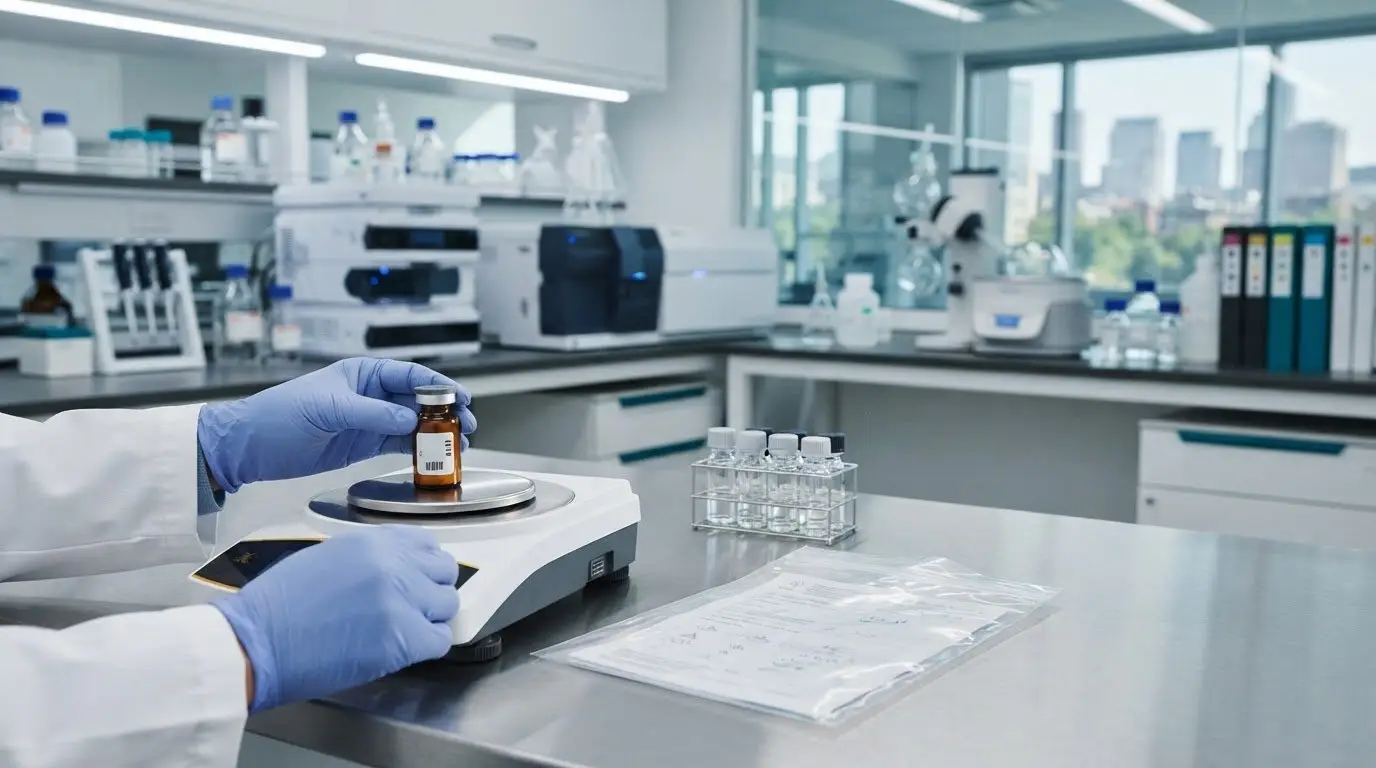
How to Buy BPC-157 Research Peptide: A Laboratory Buyer’s Guide

Batch evidence matters more than a catalogue claim. If you’re preparing to buy BPC-157 research peptide for laboratory work, it’s reasonable to want...
Peptides for Collagen Synthesis: Lab Guide 2026
An unexpected failure in an extracellular matrix assay doesn't usually stem from flawed cell culture methodology; more often, it begins with an...
Best Research Peptide Companies: A Guide to Sourcing High-Purity Compounds in 2026
In the precise environment of laboratory science, a supplier’s marketing claims are always secondary to their analytical data. Finding the best...
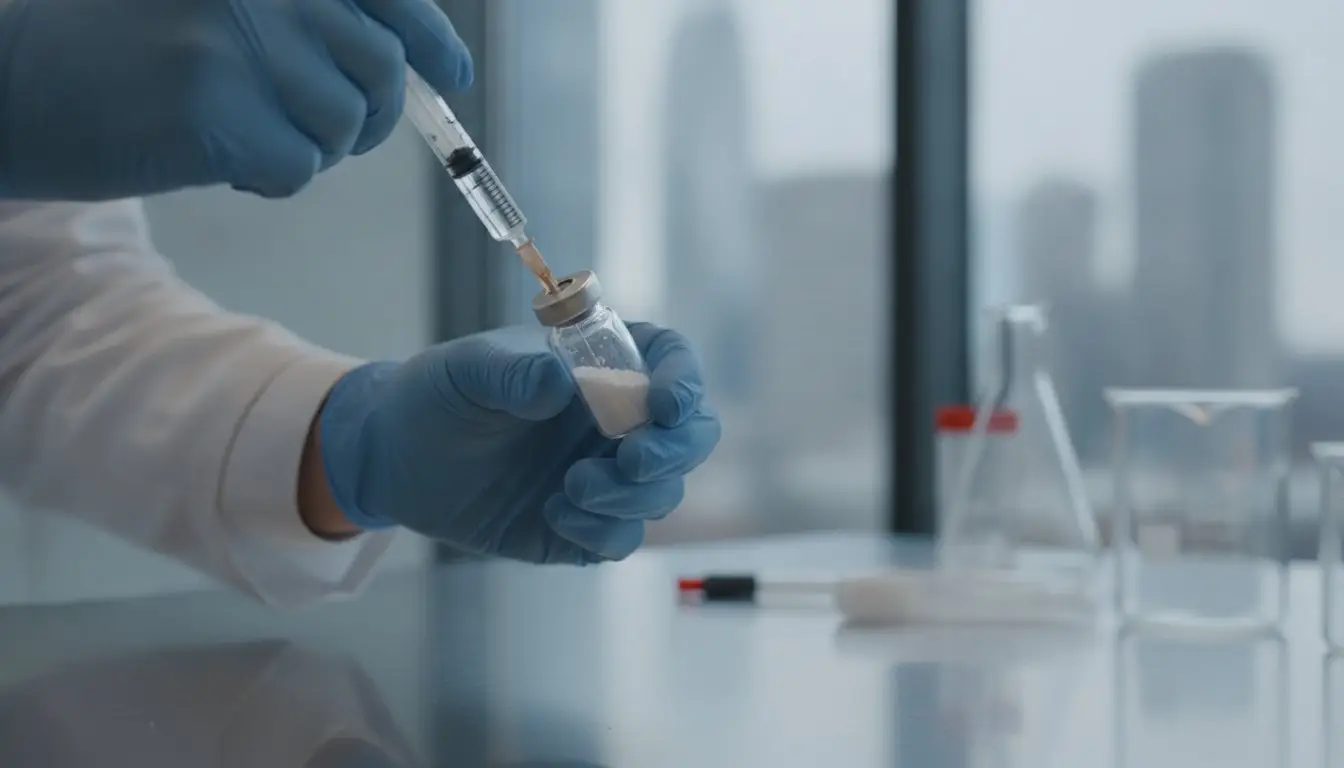
BPC-157 Reconstitution Protocol for Research: Laboratory Best Practices
Inconsistent molarity in a single batch can invalidate months of laboratory data, turning a controlled experiment into a series of unrepeatable...
TB-500 5mg Research Compound: Structural Analysis and Laboratory Utility
Achieving institutional-grade repeatability depends entirely on the precision of your initial material analysis. You've likely encountered the...
BPC-157 and TB-500: Purity and Procurement Guide (2026)
In the opening months of 2026, BPC-157 reached a 36.6% out-of-stock rate across the domestic research market. This represented the highest scarcity...
BPC-157 5mg Lab Use: Research Procurement Guide
A single percentage point of impurity in a peptide sequence isn't just a minor technicality. It is a critical variable that can compromise the...
Reconstituting Peptides for Research: A Professional Laboratory Protocol
A single handling error during the initial preparation phase can render an expensive, high-purity lyophilized compound biologically inert before your...
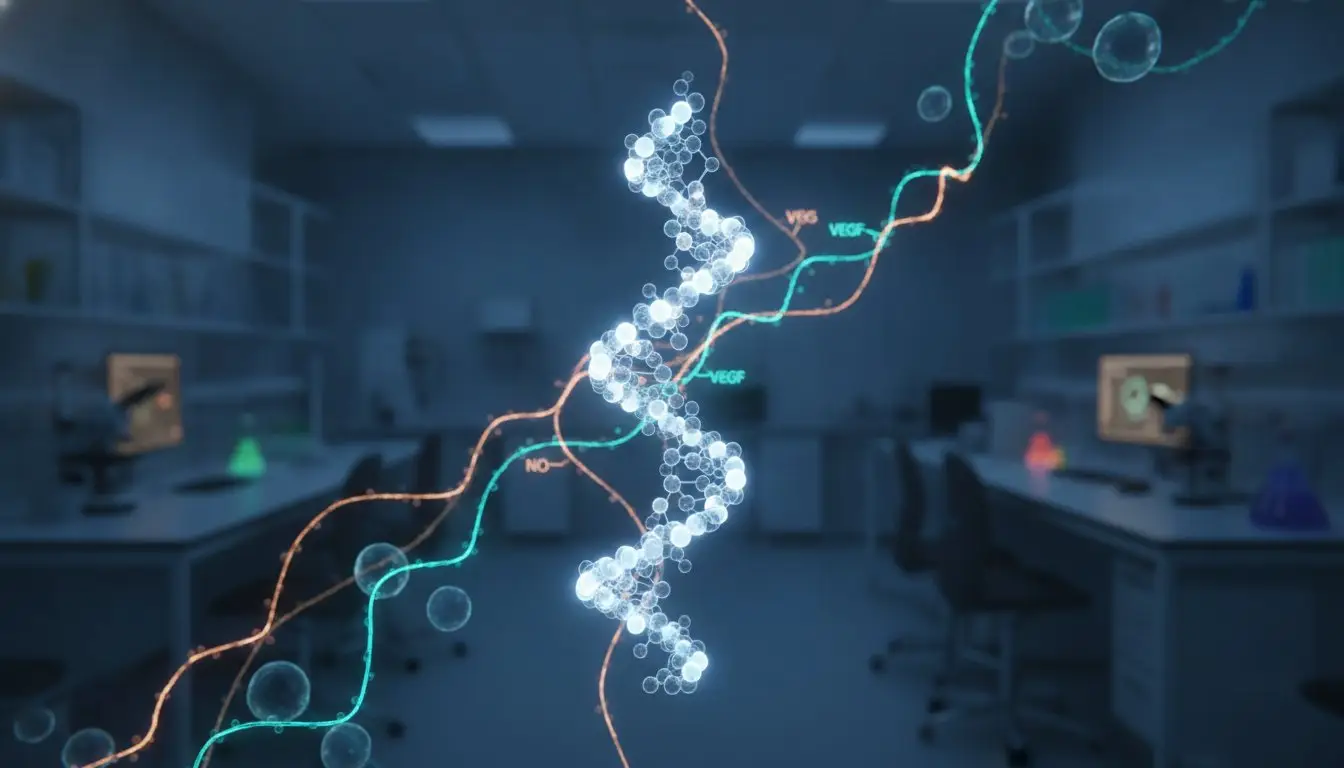
BPC-157 Mechanism of Action: A Comprehensive Technical Review for Researchers
The most significant challenge in modern BPC-157 mechanism of action research isn't a lack of data; it's the difficulty of isolating primary...
The Impact of Peptide Impurities on Research: A Guide to Authentic Research Grade Peptides
What if the groundbreaking result you just recorded isn't a biological breakthrough, but rather a chemical artifact caused by a 2% impurity in your...