Research Articles
BPC-157 and TB-500: Purity and Procurement Guide (2026)

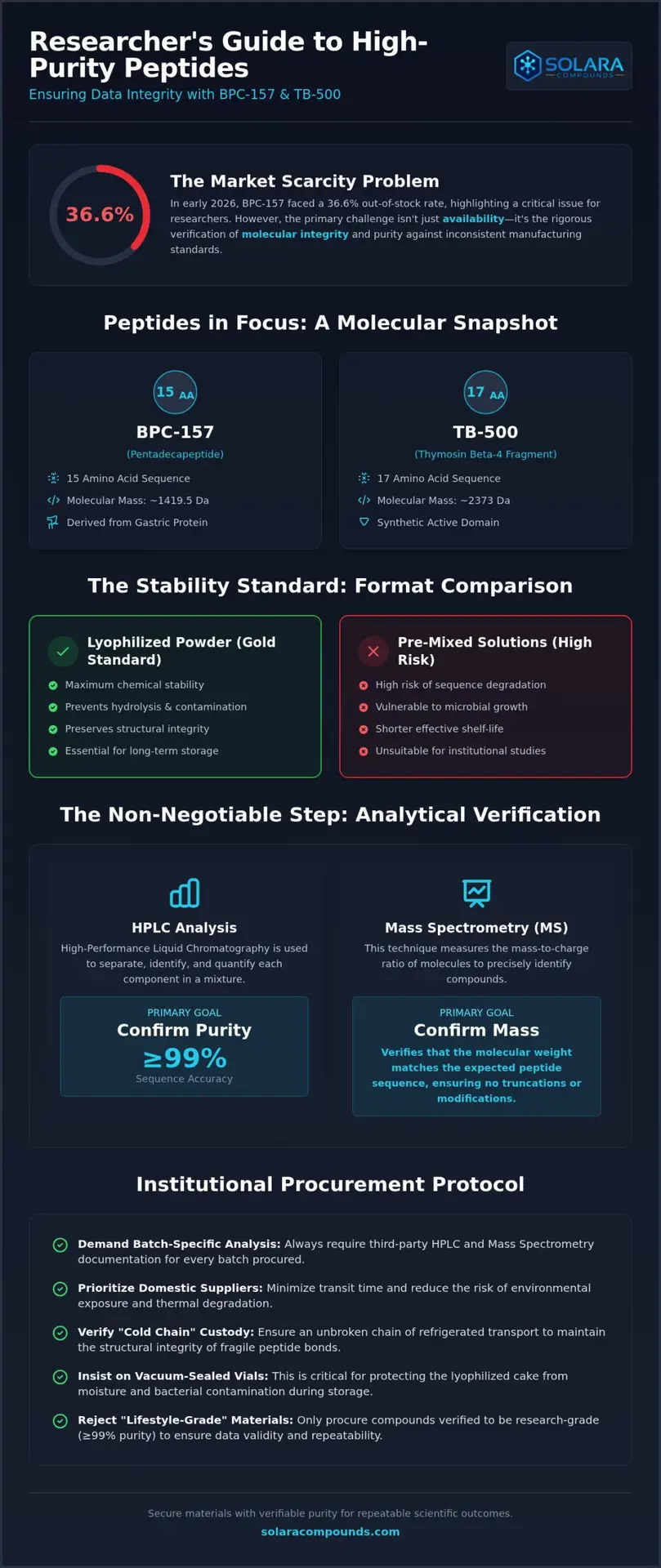
In the opening months of 2026, BPC-157 reached a 36.6% out-of-stock rate across the domestic research market. This represented the highest scarcity recorded following the FDA’s recent category reclassifications. You recognize that the validity of your findings is tethered to the molecular integrity of your compounds. Data integrity is non-negotiable. When procuring BPC-157 and TB-500 for laboratory studies, the primary challenge isn’t just availability; it’s the rigorous verification of discrete peptide sequences against a backdrop of inconsistent manufacturing standards.
We’ll provide the technical criteria necessary to evaluate high-purity kits for institutional use. Reliability starts with the vial. You’ll learn how to interpret HPLC and MS data to ensure structural stability and avoid the risks of sequence degradation during transit. This guide outlines a methodical approach to identifying domestic suppliers that offer batch-specific transparency. By focusing on analytical validation rather than marketing bundles, you can secure the precise materials required for repeatable scientific outcomes and maintain the momentum of your research schedule.
Key Takeaways
- Examine the molecular architecture of the 15-amino acid BPC-157 sequence and the synthetic active domain of TB-500 to ensure sequence accuracy in your models.
- Master the technical requirements for procuring BPC-157 and TB-500 for laboratory studies, focusing on the stability advantages of lyophilized powder over pre-mixed alternatives.
- Learn to verify experimental materials using HPLC and Mass Spectrometry data to confirm batch-specific purity and precise molecular mass.
- Mitigate the risks of sequence degradation and bacterial contamination by identifying the shelf-life benefits of vacuum-sealed, research-grade vials.
- Streamline institutional procurement by establishing a standard for domestic sourcing that prioritizes transparent, third-party analytical documentation for every batch.
The Role of Combined Peptide Kits in Modern Laboratory Research
A combined peptide kit serves as a specialized investigative tool for researchers examining complex biological interactions. It isn’t merely a bundle of two separate substances. It represents a strategic, dual-compound approach to multi-pathway bio-analysis. By utilizing both sequences within a single study, scientists can observe how distinct signaling pathways interact or overlap within a controlled experimental model. Modern laboratory kits standardize this investigative process. They allow for the simultaneous evaluation of different molecular mechanisms, such as those involving systemic signaling and localized cellular response. Procuring BPC-157 and TB-500 for laboratory studies through a unified kit simplifies the logistics of material verification. It ensures that both compounds share the same manufacturing conditions and quality control benchmarks.
The physical state of the material is just as critical as the sequence itself. Lyophilized (freeze-dried) powder is the industry standard for analytical research. This format ensures maximum chemical stability by removing moisture that could otherwise lead to peptide hydrolysis or microbial growth. Establishing baseline protocols for multi-peptide study requires materials that remain stable from the point of manufacture through the final analysis. Lyophilization preserves the structural integrity of the peptide bonds, allowing for long-term storage without significant degradation of the active sequences.
In Vitro and Animal Study Applications
Laboratory models often focus on investigating angiogenic pathways and cell migration in controlled environments. Researchers analyze the specific interaction between gastric pentadecapeptides, such as BPC-157, and thymosin fragments like TB-500. These studies require a strict “cold chain” of custody to prevent thermal degradation of the fragile peptide bonds. Sourcing these materials domestically is essential. It minimizes transit time and reduces the risk of environmental exposure that occurs during long-distance shipping. Short transit windows help maintain the structural integrity of the lyophilized cake, ensuring the compounds arrive in a state ready for precise reconstitution. Maintaining this chain of custody is a fundamental requirement for experimental repeatability.
The Necessity of Research-Grade Purity
Data integrity relies on the total elimination of variables. “Lifestyle-grade” materials, often found in the consumer market, fail to meet institutional standards because they lack rigorous analytical verification. Even minor impurities can trigger unintended cellular responses, effectively compromising the validity of the data. Research-grade purity is a metric of ≥99% sequence accuracy. High-purity materials ensure that the observed biological effects are the result of the peptides themselves, not residual reagents or truncated sequences. Precision in procurement translates directly to precision in results. Reliable data requires a foundation of chemical certainty that only third-party verified materials can provide.
Molecular Architecture of BPC-157 and TB-500 Sequences
Understanding the chemical blueprint of research compounds is the first step in rigorous experimental design. BPC-157 is a 15-amino acid pentadecapeptide with the sequence Gly-Glu-Pro-Pro-Pro-Gly-Lys-Pro-Ala-Asp-Asp-Ala-Gly-Leu-Val. It’s derived from a larger protein found in gastric juice, characterized by its stable molecular structure. TB-500, conversely, is a synthetic version of the active domain of Thymosin Beta-4. While the full endogenous protein contains 43 amino acids, the research-grade fragment focuses on the specific 17-amino acid sequence responsible for cellular signaling. These distinct architectures dictate their molecular weights and solubility profiles. BPC-157 has a molecular mass of approximately 1419.5 Da, while the TB-500 fragment typically sits near 2373 Da. Both peptides are highly hydrophilic. They dissolve readily in aqueous solutions like sterile water or bacteriostatic saline. As noted by Cedars-Sinai experts on peptide therapy, the lack of human data underscores the necessity of maintaining strict laboratory standards during investigation.
Sequence Verification and Synthesis Methods
Most high-purity research kits are produced using Solid-Phase Peptide Synthesis (SPPS). This method allows for high precision, yet it’s not without risks. Low-quality manufacturing often results in truncation sequences, where the amino acid chain is incomplete. These impurities can bind to receptors with unpredictable affinity, effectively skewing your results. High-purity synthesis also requires the thorough removal of trifluoroacetic acid (TFA), a common reagent that can be cytotoxic in certain cell cultures. When procuring BPC-157 and TB-500 for laboratory studies, verifying the absence of these byproducts is essential for data accuracy. A rigorous approach to peptide sequence verification ensures that even a single amino acid substitution or deletion doesn’t compromise the validity of your biochemical assays. You can ensure your study uses only fully verified sequences by sourcing from providers who offer batch-specific chromatograms.
Stability and Degradation Pathways
Structural integrity is sensitive to environmental stressors. Lyophilized powders offer significant thermal stability during national shipping, but they aren’t invincible. Peptides face photolytic degradation if exposed to direct UV light in clear vials. This process breaks down the peptide bonds and renders the sequence inactive. Optimal storage for long-term longevity requires temperatures of -20°C or below. For shorter durations, 2°C to 8°C is often sufficient. Maintaining these conditions ensures the binding affinity of the peptides remains consistent across all experimental replicates. Precision in storage is just as vital as precision in synthesis.
Comparing Procurement Formats: Lyophilized Powder vs. Pre-Mixed Solutions
The choice between procurement formats determines the longevity of your research materials. Lyophilized powder remains the industry standard for analytical research because it effectively halts molecular degradation. Pre-mixed or “reconstituted” kits introduce immediate risks. Once a peptide is in solution, it’s vulnerable to hydrolysis and rapid bacterial growth. These factors can skew your data before the first assay is even performed. Procuring BPC-157 and TB-500 for laboratory studies in a freeze-dried state ensures that you control the precise moment of activation. It also allows for standardized batch numbers across multiple compounds. This consistency is vital for institutional budgeting and long-term study repeatability. When every vial in a kit originates from the same synthesis run, you eliminate inter-batch variability. This provides a level of control that pre-mixed solutions simply cannot match.
Stability Comparison: Powder vs. Liquid
Unconstituted lyophilized vials offer a shelf-life that extends for years when stored at -20°C. In contrast, liquid solutions begin to degrade within days. The impact of pH and the choice of bacteriostatic water significantly influence the peptide half-life post-reconstitution. Maintaining a stable environment is paramount. Lyophilization preserves the secondary structure of TB-500 during transit. This structural safeguarding ensures that the synthetic fragment retains its intended binding affinity upon arrival at your facility. For a detailed examination of the structural properties and reconstitution protocols specific to this peptide, our TB-500 5mg research compound structural analysis provides a comprehensive technical reference. It’s the difference between a precise molecular tool and a degraded chemical mixture. Proper storage of the lyophilized cake maintains the integrity of the peptide bonds, ensuring that the results you observe in the final week of a study are consistent with the first.
Logistical Advantages of Kit Procurement
Streamlining the acquisition process is essential for high-output labs. Kit-based procurement reduces friction for teams requiring both sequences simultaneously. It eliminates the need to vet multiple vendors for a single study. Domestic sourcing serves as a critical solution to international customs delays. It bypasses the unpredictable hold times and temperature fluctuations common in trans-border shipping. For more details on sourcing specific quantities, see our BPC-157 5mg Lab Use: Research Procurement Guide. Relying on US-based providers ensures a predictable supply chain. This stability allows researchers to focus on data acquisition rather than logistics. Using a single reliable supplier simplifies the administrative burden of institutional procurement. It creates a clear audit trail for every compound in your inventory, which is essential for maintaining compliance with institutional research standards.
Analytical Verification Protocols for Research Kits
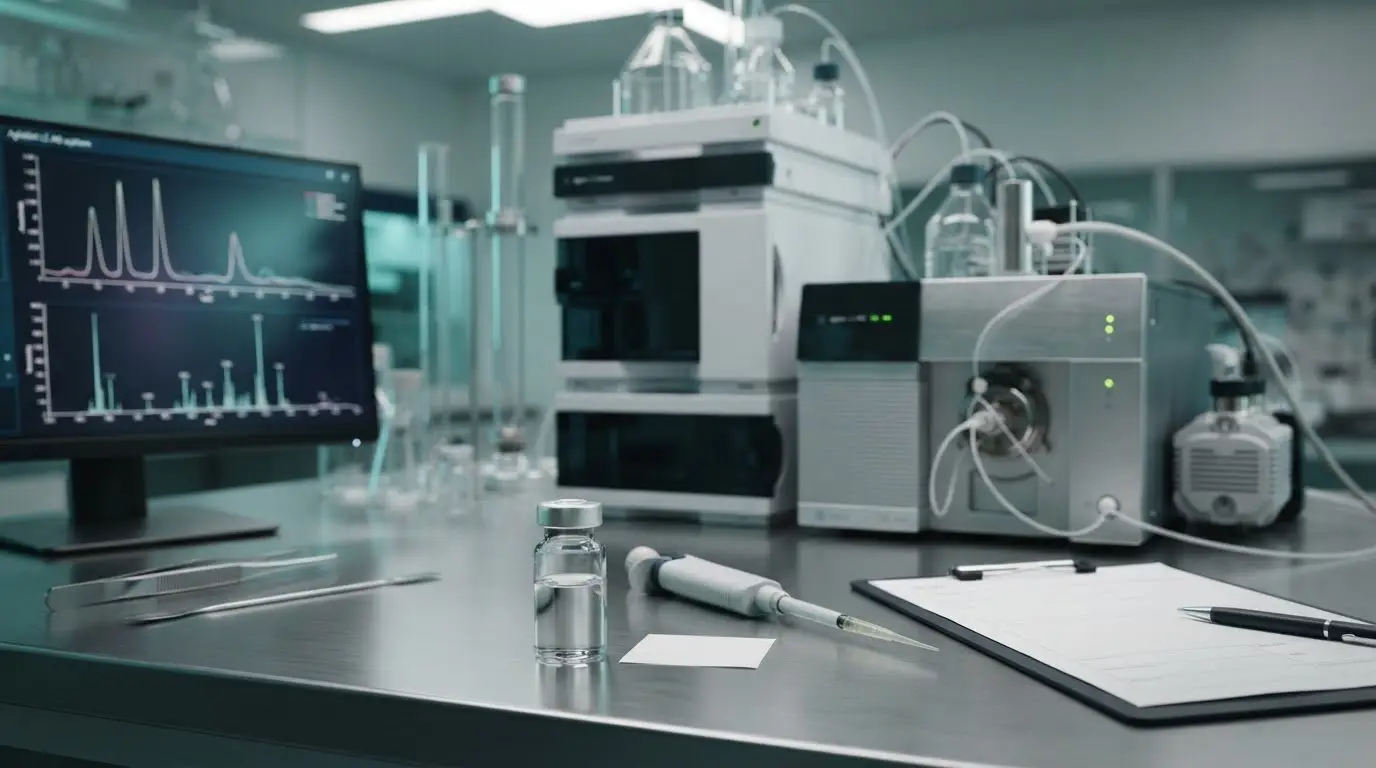
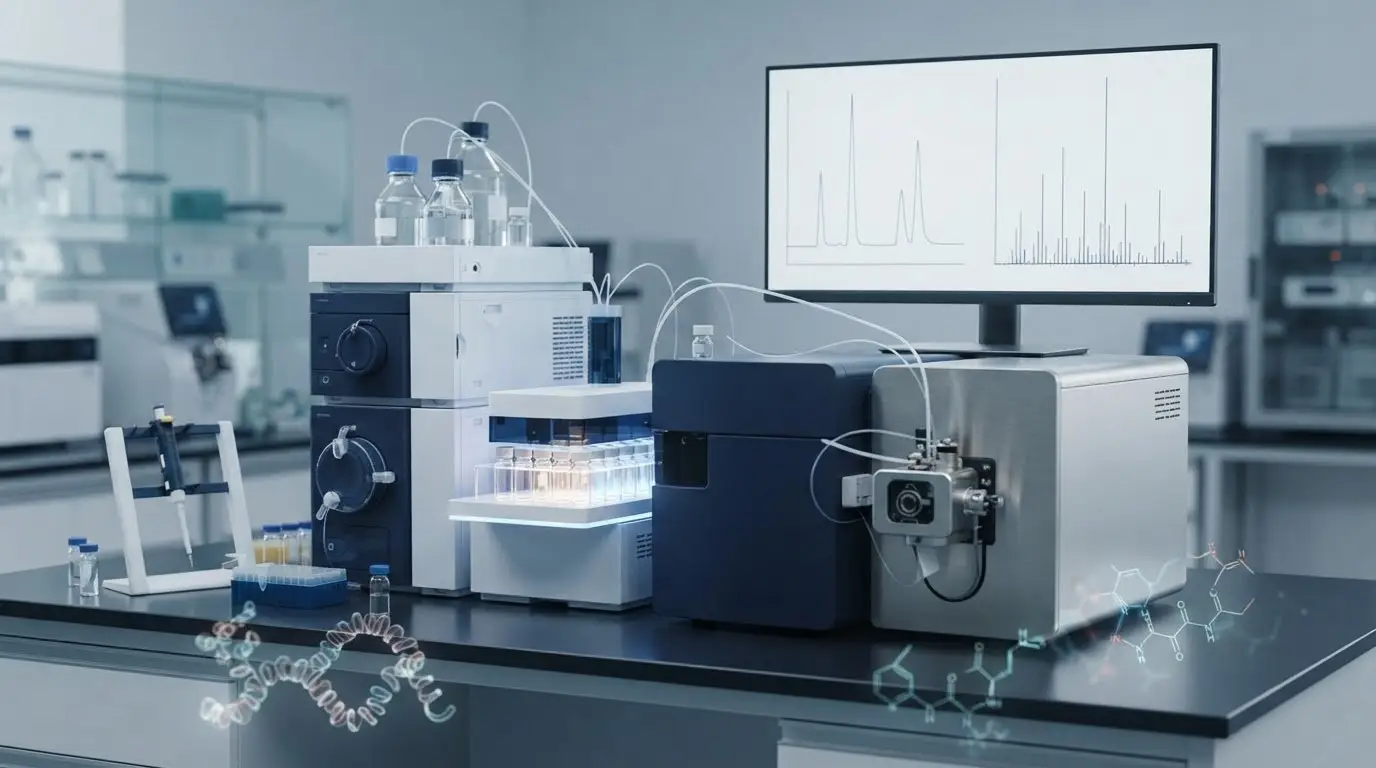
Analytical verification is the only objective method for ensuring the integrity of a research kit. Visual inspection of a lyophilized cake reveals nothing about its chemical composition. When procuring BPC-157 and TB-500 for laboratory studies, researchers must demand primary analytical data rather than relying on generalized vendor claims. High-Performance Liquid Chromatography (HPLC) and Mass Spectrometry (MS) form the foundation of this verification process. HPLC measures the purity of the sample, while MS confirms the identity of the peptide sequence itself. Missing or generalized Certificates of Analysis (COAs) are significant red flags. A reliable supplier provides batch-specific data that correlates directly to the vials in your possession. Forged reports often lack unique batch numbers or show “copy-paste” artifacts that suggest a lack of original testing.
Reading an HPLC Chromatogram
An HPLC report provides a visual representation of the sample’s purity. The primary peak represents the target peptide sequence. Baseline noise or secondary peaks indicate the presence of synthesis byproducts, residual reagents, or truncated sequences. The retention time, which is the time it takes for the analyte to pass through the column, must be consistent across batches for a given sequence. High-stakes research models require a minimum of 99% purity to ensure that biological observations aren’t skewed by contaminants. This level of precision is necessary for maintaining experimental repeatability. You can verify your materials by reviewing our Independent Peptide Lab Testing: Purity & Verification guide.
Interpreting Mass Spectrometry Reports
Mass Spectrometry confirms that the sequence synthesized is actually the intended peptide. The report shows the observed mass of the molecule. This must match the theoretical molecular weight of the sequence within a minimal margin of error. As established in the molecular architecture analysis, BPC-157 should consistently show a mass near 1419.5 Da. MS reports also highlight the presence of salt adducts, such as acetate or trifluoroacetate, and residual moisture content. These factors affect the final peptide content by weight. Understanding these nuances allows you to adjust your reconstitution volumes for exact dosing. For a comprehensive technical framework on auditing COA documentation and confirming primary structure using MALDI-TOF and LC-MS methodologies, our peptide sequence verification and batch integrity guide provides the detailed protocols needed to ensure the material in your vial matches its intended molecular design. To ensure your research begins with a foundation of chemical certainty, you can order batch-verified peptide kits directly from our domestic facility.
Procuring Verified BPC-157 and TB-500 Kits from Solara Compounds
Solara Compounds serves as a dedicated partner for the scientific community by prioritizing the structural integrity of every vial. When procuring BPC-157 and TB-500 for laboratory studies, researchers require a supply chain that eliminates the variables of international transit. We standardize the BPC-157 5mg and TB-500 5mg research compound kits specifically for institutional use. This ensures that every investigative tool meets a baseline of ≥99% purity. Our commitment to US-based research excellence is reflected in our rigorous validation protocols. Transparency isn’t just a goal; it’s our operational standard. We provide batch-specific COAs and third-party validation reports with every order. This data-driven approach allows you to focus on your experimental outcomes rather than material verification.
Institutional and Bulk Procurement
University and commercial laboratories often face challenges with supply chain fluctuations. We offer tiered pricing structures designed to support multi-phase research projects without compromising on quality. Streamlining the procurement process is essential for maintaining momentum in high-output environments. We ensure batch consistency across large-volume orders. This means the materials used in your pilot study remain chemically identical to those used in your final assays. Secure national shipping protocols from our Florida facility safeguard the lyophilized cake from environmental stressors. By maintaining a domestic supply chain, we eliminate the thermal stressors and unpredictable hold times that often compromise the secondary structure of peptides during international transit.
Compliance and Research Standards
Adherence to regulatory guidelines is a cornerstone of our operations. All products carry strict “Research Use Only” (RUO) labeling and are not for human consumption. We prioritize the intersection of material science and real-world utility by maintaining the structural integrity of our peptides from our laboratory to your destination. Our vacuum-sealed vials and controlled storage conditions prevent the degradation pathways discussed in previous sections. Precision in synthesis must be matched by precision in delivery. To begin your next investigative phase with verified materials, explore the Solara Compounds catalog for verified research materials.
Advancing Research Through Chemical Precision
Successful experimental models depend on the precise transition from theoretical design to physical verification. As we’ve examined, the chemical integrity of your sequences is the primary variable in data repeatability. When procuring BPC-157 and TB-500 for laboratory studies, prioritizing lyophilized formats and batch-specific analytical data is the most effective way to mitigate degradation risks. These protocols protect your study. By implementing rigorous verification standards, you eliminate the inconsistencies often found in the global supply chain and ensure your results are driven by the peptides themselves.
You can ensure the structural accuracy of your investigative tools by sourcing materials that are third-party HPLC/MS verified. Solara Compounds provides batch-specific COAs with every kit. This ensures that every milligram in your inventory is accounted for through rigorous empirical testing. Our lyophilized powders are engineered for maximum stability; this allows you to maintain strict control over your experimental variables from arrival to final analysis. Precision in procurement is the first step toward discovery.
View Research-Grade BPC-157 and TB-500 Kits today to secure the high-purity materials required for your institutional study. We’re proud to be a reliable partner in your long-term scientific success.
Frequently Asked Questions
Is BPC-157 and TB-500 legal for research use in the United States?
BPC-157 and TB-500 are legal for purchase and use in the United States when designated strictly for laboratory research. These compounds are classified as “Research Use Only” (RUO) and aren’t intended for human consumption or clinical applications. While the FDA has reviewed their status for compounding pharmacies, these regulations don’t restrict institutional researchers from procuring BPC-157 and TB-500 for laboratory studies to investigate biochemical pathways or cellular signaling.
What is the correct storage temperature for a lyophilized peptide kit?
Optimal storage for lyophilized peptide kits requires a temperature-controlled environment. For long-term stability extending beyond three months, vials should be stored at -20°C or -80°C in a laboratory-grade freezer. Short-term storage for immediate study use is acceptable at 2°C to 8°C. Keeping the peptides in a vacuum-sealed, desiccated state prevents moisture infiltration, which is the primary catalyst for sequence degradation and potential peptide hydrolysis.
How long do BPC-157 and TB-500 remain stable after reconstitution?
Peptide stability decreases significantly once the lyophilized powder is reconstituted into a liquid state. When stored at 2°C to 8°C, BPC-157 and TB-500 typically maintain their structural integrity for approximately 7 to 14 days. After this window, the risk of sequence degradation and bacterial contamination increases. Researchers should only reconstitute the specific volume required for immediate assays to ensure the chemical potency of the materials remains consistent across all replicates.
Can I request a batch-specific COA for my peptide kit?
Transparent suppliers provide batch-specific Certificates of Analysis (COAs) for every research kit. These documents correlate directly to the unique batch number printed on your vials. A valid COA includes primary data from third-party HPLC and Mass Spectrometry testing. This documentation is essential for procuring BPC-157 and TB-500 for laboratory studies, as it allows investigators to verify purity levels and molecular mass before initiating any experimental protocols.
What is the difference between TB-500 and Thymosin Beta-4?
TB-500 is a synthetic fragment representing the active domain of the endogenous Thymosin Beta-4 protein. While the full protein consists of 43 amino acids, TB-500 typically focuses on the 17-amino acid sequence responsible for signaling cellular migration and angiogenic pathways. This shorter fragment is more stable and cost-effective for laboratory synthesis. It allows researchers to isolate specific biological responses without the complex interactions associated with the full-length protein structure.
Why is HPLC testing more reliable than manufacturer-provided specs?
HPLC testing provides an objective, empirical verification of purity that manufacturer-provided specifications often lack. While a manufacturer might list a theoretical purity, third-party HPLC identifies the actual presence of synthesis byproducts or residual reagents. This independent analysis ensures that the “purity peak” on the chromatogram meets the institutional standard of ≥99%. Relying on independent data reduces the risk of using materials that could introduce unintended variables into your research model.
How are Solara Compounds peptides shipped to ensure stability?
Solara Compounds utilizes secure national shipping protocols to maintain material integrity during transit. Every vial contains lyophilized powder, which is inherently more resistant to thermal stressors than liquid solutions. We ship from our Florida facility to ensure short transit windows across the United States. Vials are vacuum-sealed and protected from light exposure, preventing photolytic degradation. This methodical approach ensures that the peptides arrive in a state of maximum stability for your laboratory.
What solvents are recommended for reconstituting research peptides?
Bacteriostatic water or sterile water for injection are the standard solvents for reconstituting research peptides. Bacteriostatic water is often preferred for multi-dose vials because it contains 0.9% benzyl alcohol, which inhibits microbial growth. For studies where benzyl alcohol might interfere with cell culture viability, plain sterile water or a specialized buffer solution is recommended. Researchers must ensure the solvent pH is compatible with the peptide’s isoelectric point to maintain optimal solubility.