Research Articles
How to Buy BPC-157 Research Peptide: A Laboratory Buyer’s Guide

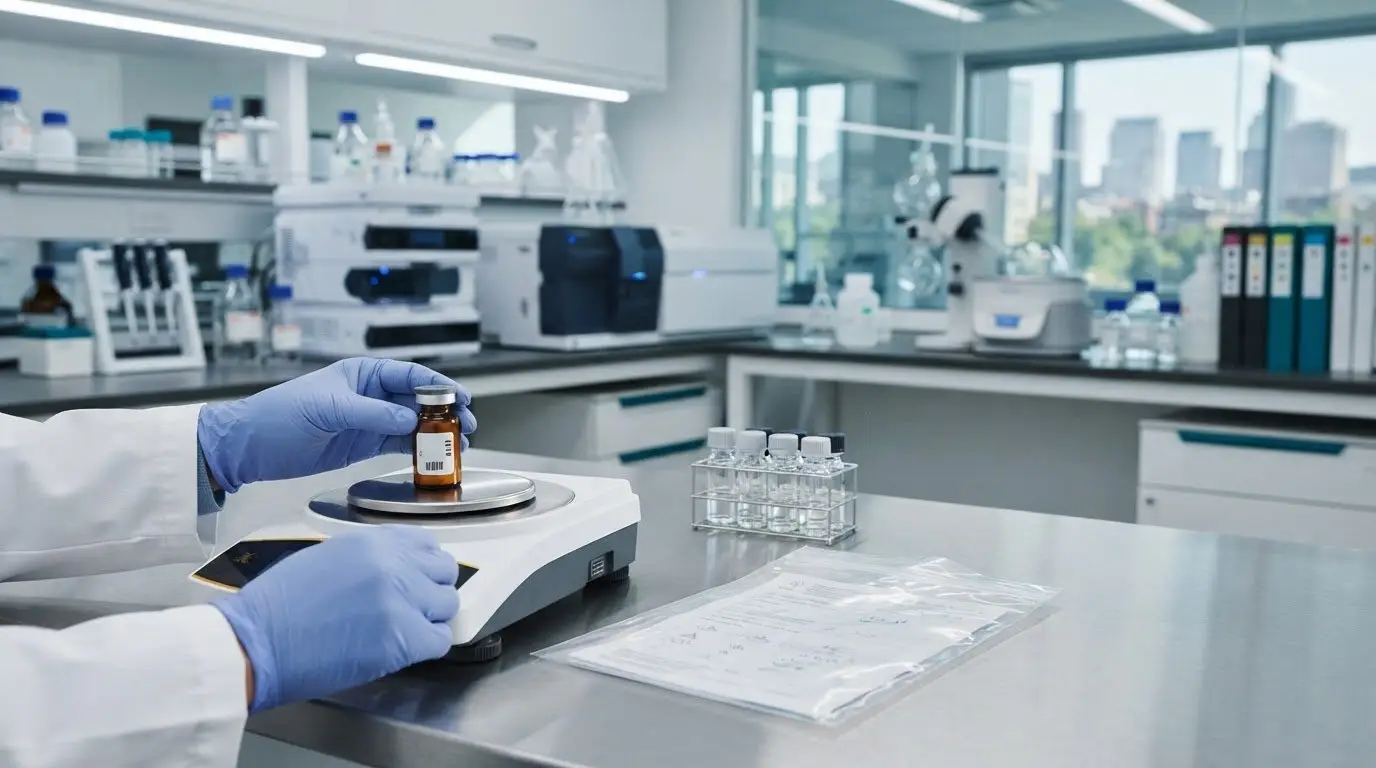
Batch evidence matters more than a catalogue claim. If you’re preparing to buy BPC-157 research peptide for laboratory work, it’s reasonable to want clear product identification and documentation tied to the specific lot, not just general claims about quality.
This guide explains how to assess BPC-157 10mg as a research product and what to look for in its batch paperwork. You’ll learn how to read identity and purity information, connect a Certificate of Analysis (COA) to a lot number, and use those records to support a considered procurement decision.
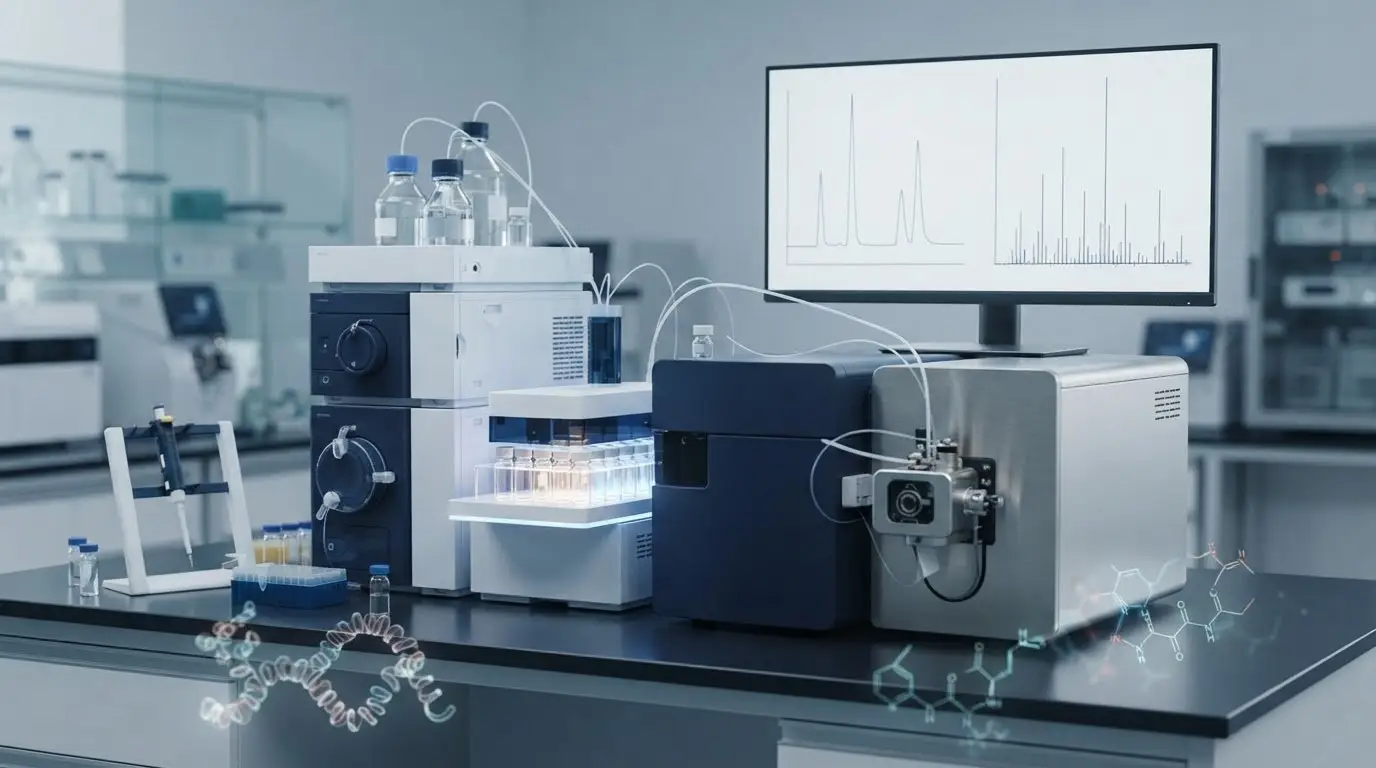
Solara Compounds lists BPC-157 10mg as a lyophilized research peptide and states that it uses batch-specific COAs, unique lot numbers, and independent third-party testing through Kovera Labs. Its stated quality processes include HPLC purification and molecular confirmation by MALDI-TOF and LC-MS. Review the relevant batch documentation through solaracompounds.com; paperwork supports material assessment, but doesn’t guarantee experimental outcomes.
All products are for Research Use Only (RUO) – intended solely for laboratory research and not for human or animal consumption, not a drug, medicine, or dietary supplement.
Key Takeaways
- Start with the laboratory project’s material requirements, then verify that the listed product is BPC-157 10mg.
- Understand what the lyophilized format means: a dried form prepared for laboratory research.
- Review the batch COA by locating the lot number, matching product identifiers, and examining the reported analyses and their limits.
- Before you buy BPC-157 research peptide, assess batch-specific paperwork and traceability; Solara Compounds states that it uses independent third-party testing through Kovera Labs.
- All products are for Research Use Only (RUO) – intended solely for laboratory research and not for human or animal consumption, not a drug, medicine, or dietary supplement.
Buying BPC-157 Research Peptide: Define the Laboratory Requirement First
A sound procurement decision starts with the work the laboratory intends to conduct. Before you buy BPC-157 research peptide, define the project’s in-vitro or biochemical context, identify the material requirements, and decide what records your team needs to assess it. This keeps the purchase tied to a documented research purpose rather than broad catalogue language.
A research peptide is a compound supplied for evaluation in controlled laboratory work. It isn’t a consumer product. Solara Compounds lists BPC-157 10mg as a research product, so begin by checking that exact product name and listed amount against your project’s requirements. For general background on the compound, see this BPC-157 overview.
What should a laboratory buyer establish before ordering BPC-157?
Set acceptance criteria before placing an order. The research team can define what material identity, batch information, and documentation it needs for its own evaluation. At minimum, keep these procurement details in view:
- Product identity: Confirm the listing says BPC-157 10mg, not a different compound or product.
- Listed amount: Check that the amount shown matches the requirement established for the project.
- Lot traceability: Identify how the supplied material is linked to a specific lot.
- Batch documentation: Determine whether a batch-specific Certificate of Analysis (COA) is available for review.
Project-specific acceptance criteria belong to the research team. A COA can help assess documented batch information, but it doesn’t establish whether a material is suitable for every experimental setup or guarantee an outcome. Keep the product identity and batch records together in procurement files. A separate KPV product listing is not BPC-157 documentation, which is why records should always be matched to the exact item under review.
What does the Research Use Only scope mean?
All products are for Research Use Only (RUO) – intended solely for laboratory research and not for human or animal consumption, not a drug, medicine, or dietary supplement.
Laboratory procurement is a research-material decision, not consumer purchasing. Keep evaluation within an appropriate laboratory setting, and don’t interpret product information or batch paperwork as evidence of personal, diagnostic, or clinical use. Solara Compounds provides research-product information at solaracompounds.com; documentation supports material assessment, not claims about experimental results.
BPC-157 Research Peptide Specifications: Identify the Material Before Purchase
A product name and listed amount are useful starting points, but they answer only part of a laboratory buyer’s question. Before you buy BPC-157 research peptide, distinguish the catalogue description from evidence reported for the specific batch being considered.
What does the BPC-157 10mg listing tell a buyer?
Solara Compounds lists BPC-157 10mg as a lyophilized research peptide. Lyophilized means the material is supplied in a dried format prepared for laboratory research. The product name and listed amount help identify the catalogue item, but neither establishes the purity or identity findings for an individual lot.
For those details, consult batch-specific analytical documentation and match it to the lot under review. A catalogue specification describes the listed product; a batch record reports information associated with a particular lot. Keeping those two evidence types separate helps prevent a general product description from being mistaken for a batch result.
View the BPC-157 10mg product page for the product listing. Any analytical statement should be assessed against the relevant batch documentation rather than inferred from the product name or amount alone.
How should scientific context be presented responsibly?
Scientific background can help researchers identify the subject of a laboratory project, but it shouldn’t be used as a substitute for product documentation. A peptide sequence is the order of the small molecular building blocks that make up a peptide. If a study or reference discusses sequence, methods, or laboratory findings, read it in its original context and note what was actually examined.
Don’t translate findings from laboratory literature into claims about personal or clinical effects. For a separate consumer-safety perspective, the U.S. Department of Defense’s Operation Supplement Safety discusses BPC-157 as an unapproved drug and addresses products marketed in health and wellness contexts. That resource is not a batch analysis of Solara Compounds’ product; use the batch-specific COA for product-level assessment.
Solara Compounds describes BPC-157 10mg as intended for laboratory research only. Use the listing to identify the material, then evaluate the associated lot documentation for your team’s criteria. For a broader view of the research catalogue, browse research products.
How to Review a BPC-157 Batch COA and Testing Evidence
A Certificate of Analysis (COA) is most useful when it can be tied to the exact batch under consideration. Before you buy BPC-157 research peptide, review the document as a record of reported results, not as a broad quality promise or a prediction of how research will turn out.
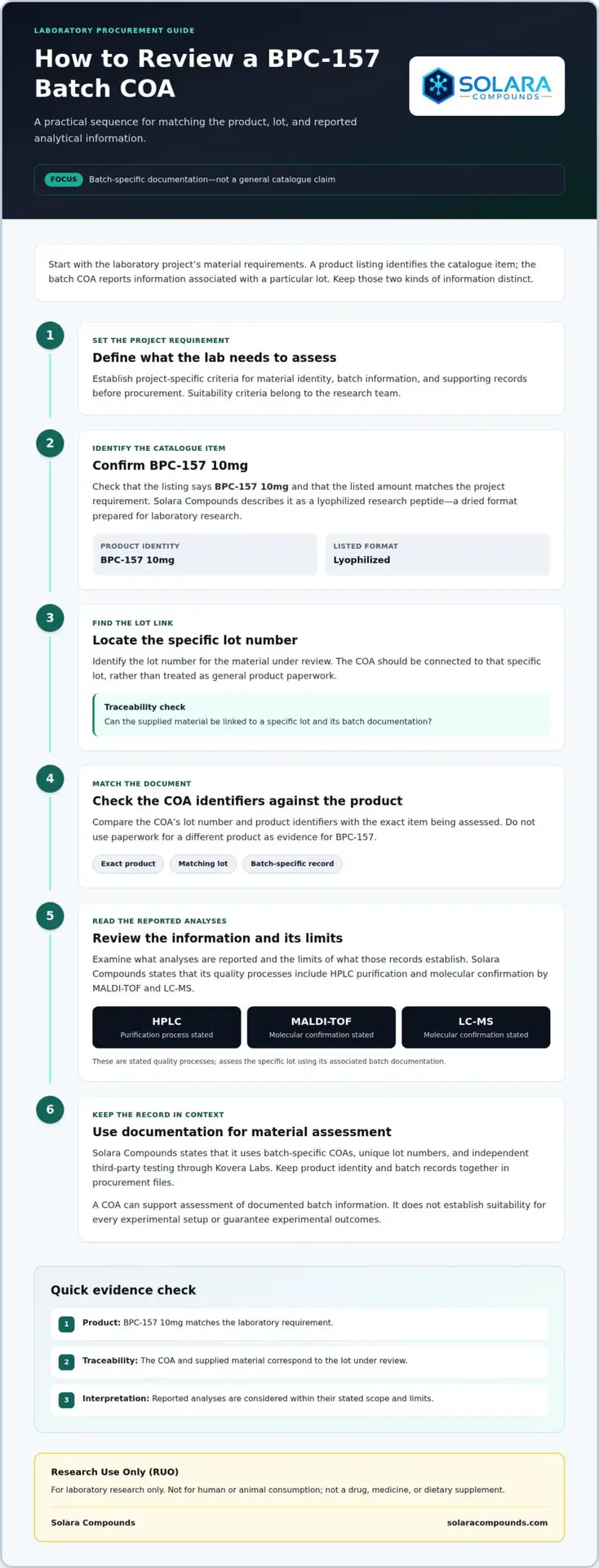
A step-by-step COA review
- Locate the lot identifier. Find the lot or batch number on the product information and the COA. If the identifiers don’t correspond, the document may not describe the material being evaluated.
- Match the product details. Check that the COA identifies BPC-157 and is associated with the relevant BPC-157 10mg lot. Don’t assume a report for another product or batch applies.
- Inspect the reported analyses. Read the identity and purity information, analytical methods, and reported results. Note the date if one is shown, and check that the document’s scope is clear.
- Record limitations. Separate measurements actually reported for that batch from general supplier descriptions of quality processes. If the COA doesn’t answer a project’s specific acceptance criteria, the research team should treat that as an unresolved documentation question.
Solara Compounds states that its batches receive unique lot numbers and that batch-specific COAs are available through its COA documentation page. The company also describes independent third-party testing through Kovera Labs. Treat these as supplier statements, then review the relevant batch record for its own identifiers and reported findings.
What the analytical methods can show
HPLC, or high-performance liquid chromatography, separates components in a sample so their signals can be examined. It’s used to assess purity, but a reported result should be read with the method and scope shown in the document. Avoid treating the name of a method alone as a batch result.
MALDI-TOF and LC-MS are mass spectrometry methods. In plain terms, they measure molecular mass patterns that can support assessment of a material’s molecular identity. Solara Compounds describes using MALDI-TOF and LC-MS for molecular confirmation, and HPLC purification as part of its stated quality processes. Those descriptions don’t establish what a specific lot’s COA reports; use the batch-specific document for that.
A COA provides batch-level purity and identity information within the stated scope of its analyses. It does not guarantee research results or establish suitability for every laboratory project. Keep the COA with the procurement record, and assess its findings against the research team’s predefined criteria.
BPC-157 Procurement Checklist: Compare Documentation, Traceability, and Order Details
A clear procurement check connects the product listing, batch paperwork, and order record. Before you buy BPC-157 research peptide, compare each source of information rather than relying on a general catalogue description alone.
Which supplier documents should a lab buyer review?
Use this checklist to keep the review focused:
- Confirm product identity: Check that the catalogue name is BPC-157 10mg and matches the material your laboratory intends to procure.
- Match the batch: Compare the lot identifier on the product information with the identifier on the corresponding Certificate of Analysis (COA).
- Read the reported results: Review the identity and purity information, methods, and date where shown. Record what the document reports, not what you assume it means.
- Keep claims distinct: Separate batch-specific findings from broader descriptions of supplier quality processes. A COA supports material assessment; it doesn’t guarantee research outcomes.
Solara Compounds states that its batches receive unique lot numbers and that independent third-party testing is conducted through Kovera Labs. Treat third-party testing as a supplier-stated quality measure, then review the relevant COA to see which analyses and results are documented for the specific lot. The company’s batch COA documents provide a starting point for that review.
Broader guidance about independent peptide testing or high-purity sourcing can add context to supplier evaluation, but it isn’t a substitute for examining the exact batch record. Apply your laboratory’s own documentation and acceptance criteria to the evidence in front of you.
What order details matter for laboratory procurement?
Before checkout, confirm that the order still reflects the intended item. Recheck the exact catalogue name and listed amount, and retain the order record alongside the lot documentation so the material can be traced through your procurement files. Review the current checkout and shipping information displayed for the order. Don’t infer a delivery date from general product or testing information.
For order questions, contact Solara Compounds at support@solaracompounds.com or call 1 (877) 388-9178, Monday-Friday, 8 AM-5 PM Eastern.
All products are for Research Use Only (RUO) – intended solely for laboratory research and not for human or animal consumption, not a drug, medicine, or dietary supplement.
For laboratory procurement, keep product identity, lot traceability, and the matching COA together. Review the research catalog as part of your purchasing assessment.
Source BPC-157 10mg from Solara Compounds for Laboratory Research
A practical procurement decision ends with records that connect the listed material to its batch. Solara Compounds lists BPC-157 10mg as a lyophilized research peptide and describes lot-number traceability and batch-specific Certificate of Analysis (COA) access. These details give laboratory buyers a clear path from product identification to documentation review.
How does Solara Compounds document BPC-157 research material?
Solara Compounds states that each batch receives a unique lot number, which helps distinguish one production lot from another in procurement records. Its batch COAs are available through the COA documentation page. Before finalizing a purchase, use the lot information to locate the relevant report and compare its identifiers with the product batch being considered.
The company also states that independent third-party testing is conducted through Kovera Labs. Its described quality processes include HPLC purification and molecular confirmation by MALDI-TOF and LC-MS. These are supplier-level descriptions of testing and process; the associated batch COA is the document to consult for findings reported for a particular lot. A COA can support material assessment, but it can’t promise experimental performance or determine the outcome of a laboratory project.
Keep the evidence organized. Save the product listing, the COA reviewed during procurement, and the order record together. This creates a straightforward documentation trail for the research team and makes it easier to distinguish product information from batch-specific analytical results.
What is the next step for qualified laboratory buyers?
Review the BPC-157 10mg product details, then compare the relevant lot information with its batch COA. Confirm that the product name and listed amount fit the laboratory’s documented requirements, and assess the paperwork using the team’s own acceptance criteria. If an item in the report is unclear, resolve that documentation question before completing the procurement review.
The process is deliberately evidence-led: identify the listed material, connect it to a lot, and assess the records available for that batch. Catalogue details and testing documentation serve different purposes, so keep both in the purchasing file without treating either as a guarantee of research results.
All products are for Research Use Only (RUO) – intended solely for laboratory research and not for human or animal consumption, not a drug, medicine, or dietary supplement.
For laboratory buyers ready to review the catalogue, view the current research catalog.
Make Your BPC-157 Procurement Decision Evidence-Led
A sound decision to buy BPC-157 research peptide starts with a defined laboratory requirement, then moves to matching the listed product and amount with the relevant batch documentation. A Certificate of Analysis (COA) helps researchers assess reported batch-level identity and purity information, but it doesn’t guarantee experimental outcomes.
Solara Compounds states that its BPC-157 batches have unique lot numbers, batch-specific COAs, and independent third-party testing through Kovera Labs. The company also describes HPLC purification and molecular confirmation using MALDI-TOF and LC-MS. Review the documentation for the specific lot and interpret findings within the report’s stated scope.
All products are for Research Use Only (RUO) – intended solely for laboratory research and not for human or animal consumption, not a drug, medicine, or dietary supplement.
With product identity and documentation in view, you can make a clearer procurement assessment. View the current research catalog and continue your review with your laboratory’s criteria in hand.
Frequently Asked Questions
Can I buy BPC-157 for laboratory research?
Researchers seeking to buy BPC-157 research peptide for laboratory work can review Solara Compounds’ BPC-157 10mg listing and the documentation for the relevant batch. Match the lot identifier on the COA with the batch under consideration, then assess the reported information against your lab’s criteria. These records support material review, not predictions of experimental outcomes. All products are for laboratory research only and not for human or animal consumption.
What amount of BPC-157 does Solara Compounds list?
Solara Compounds lists BPC-157 10mg. Before procurement, review the current product page and make sure the exact name and listed amount match your laboratory purchasing records. Don’t infer that the same amount is available in other products or from other suppliers. Treat the catalogue entry as product-identification information, then review the corresponding lot documentation separately for batch-specific analytical details.
What should a BPC-157 batch COA show?
A BPC-157 batch COA should identify the product and lot, and report the analyses and results included in that document. Check whether identity and purity information, analytical methods, and a report date are provided. The precise contents can vary, so rely only on what the relevant document states. A COA supports assessment of batch-level data, but it doesn’t guarantee an experimental result or replace your research team’s evaluation.
Is Solara Compounds BPC-157 independently tested?
Solara Compounds states that it conducts independent third-party testing through Kovera Labs and provides batch-specific COA documentation. For a procurement review, locate the report relevant to the batch and compare its lot identifier with the material under consideration. Treat the company’s testing description as a supplier statement, and read the COA for the findings it actually reports. Testing documentation supports material assessment, not a promise of research outcomes.
How can I assess the purity information for BPC-157?
Start with the COA for the specific batch and review the reported purity information alongside the analytical method. HPLC separates components in a sample and is used to assess purity. MALDI-TOF and LC-MS are mass spectrometry methods that can support molecular-mass or identity assessment. Interpret results within the report’s stated scope, and distinguish batch findings from general supplier descriptions. A single metric doesn’t establish suitability for every research project.
Is Solara Compounds BPC-157 intended for personal use?
No. Solara Compounds’ products are for laboratory research only, not for personal use or consumption by people or animals. The company does not provide personal-use instructions or medical guidance. Keep the research-only scope in view when reviewing product listings and batch documents, and evaluate materials solely for qualified laboratory work. All products are for Research Use Only (RUO) – intended solely for laboratory research and not for human or animal consumption, not a drug, medicine, or dietary supplement.
Where can researchers review the BPC-157 product and COA?
Researchers can review the BPC-157 10mg product details at solaracompounds.com/product/bpc-157-10-mg/ and batch documentation at solaracompounds.com/coa/. Match the COA’s lot identifier to the batch being considered before procurement. Solara Compounds also lists research products through solaracompounds.com/shop/. Lab buyers in Boston, San Diego, San Francisco, New York, Houston, Miami, Los Angeles, Austin, Raleigh, Seattle, Chicago, Philadelphia, Baltimore, Dallas, Phoenix, Tampa, Atlanta, and Denver can use these online resources for documentation review.