
Tag Archives: Peptide Stability
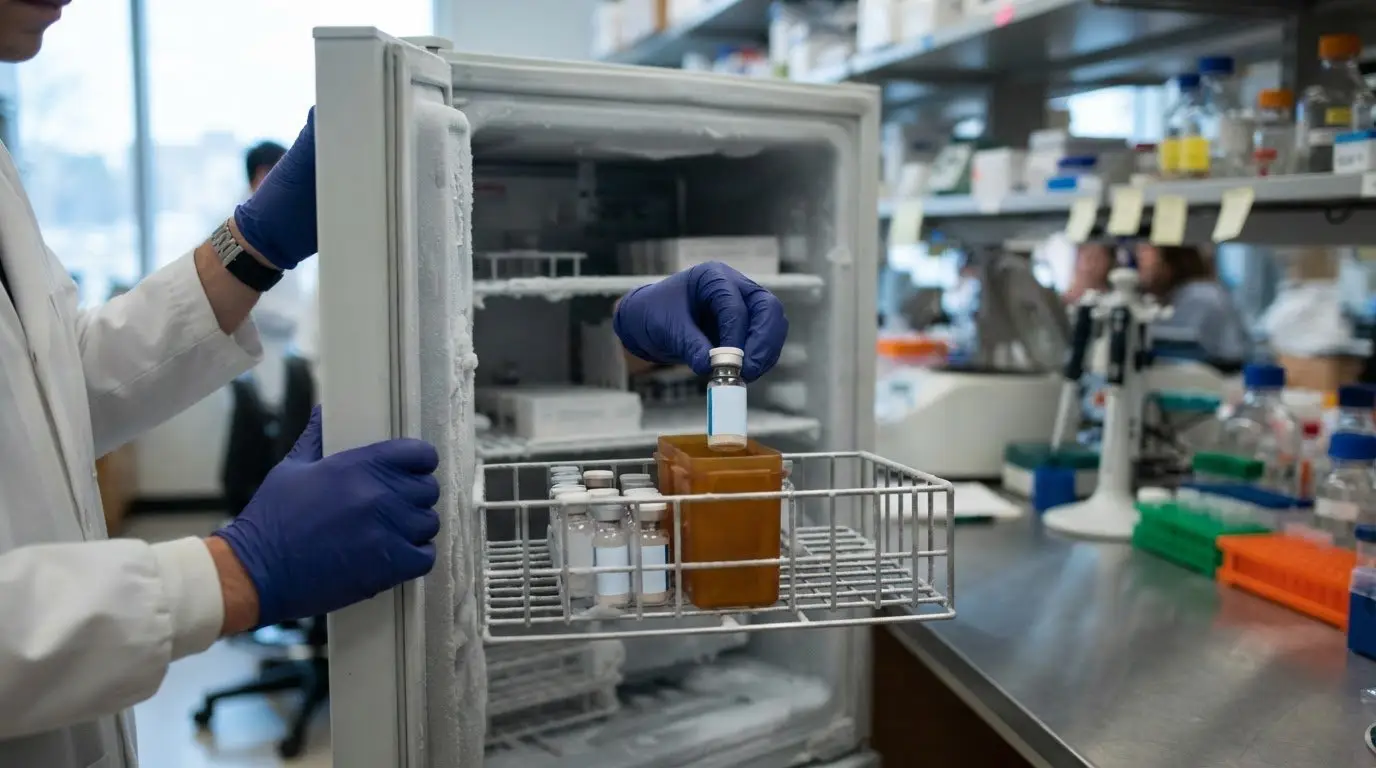
Peptide Handling: A Reference for Storage and Solution Stability

Light can degrade lyophilized peptides, so protect them from intense light and keep them dry; for longer-term storage, −20°C or colder is preferred....
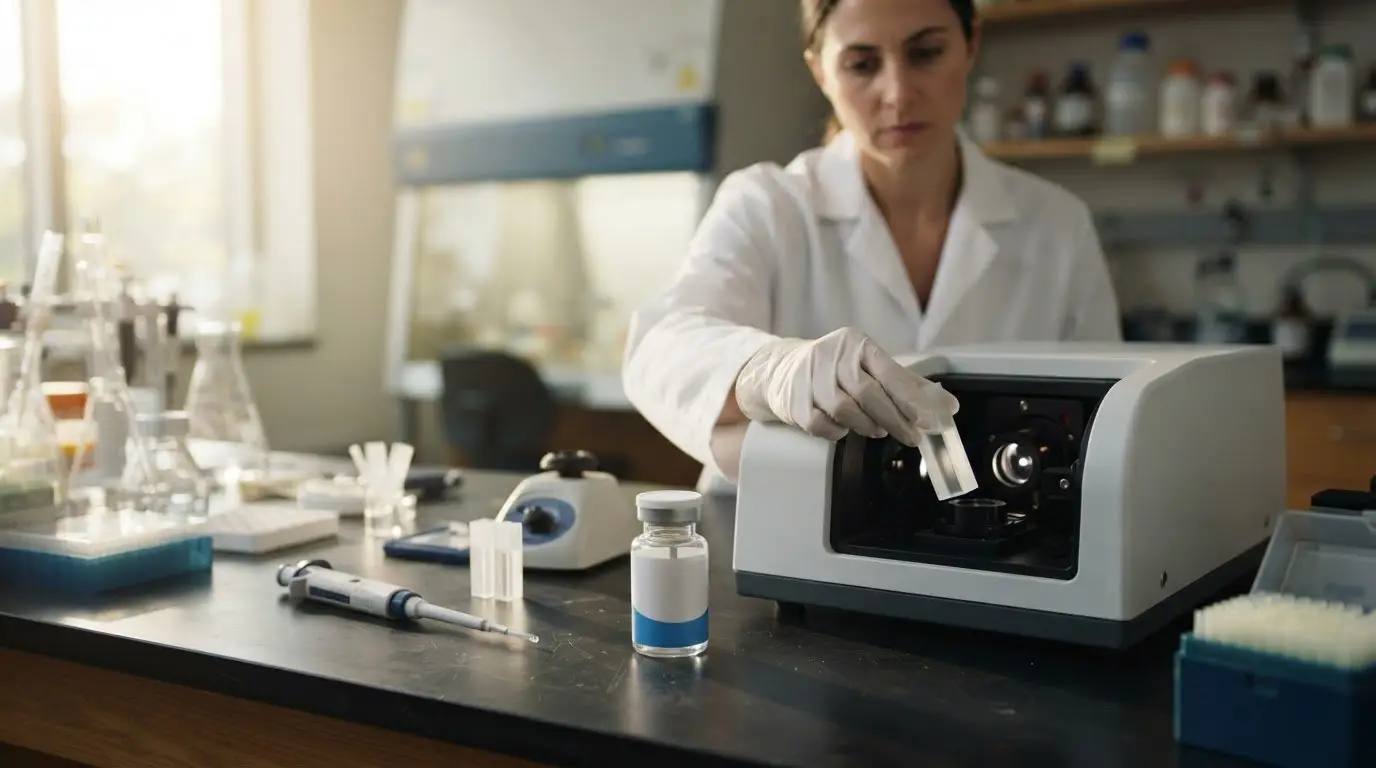
Peptide Aggregation Prevention: How to Measure and Reduce Risk
A clear solution can still contain peptide aggregates, so visual inspection alone cannot establish stability. Effective peptide aggregation...
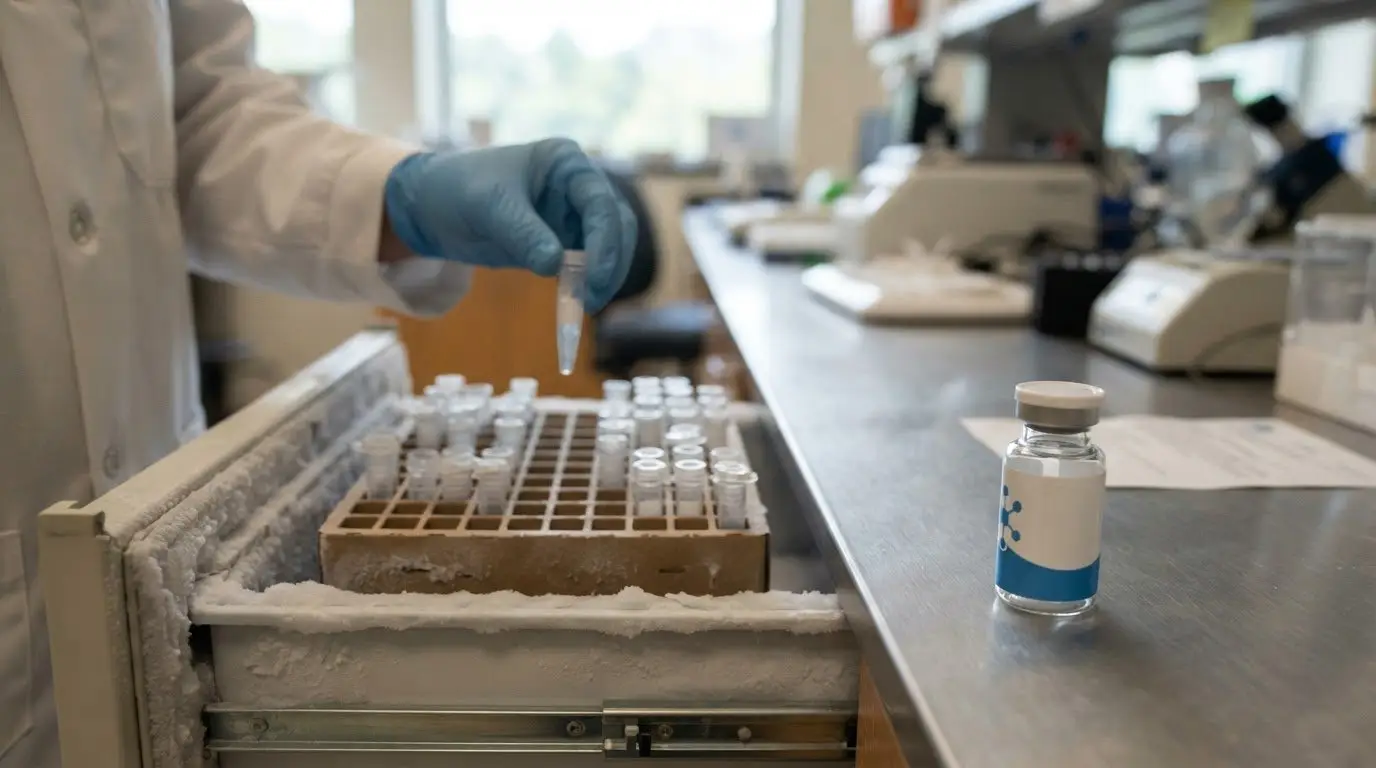
How to Store Reconstituted Peptides and Protect Your Solution
A mixed peptide vial can be frozen, but the appropriate temperature depends on the peptide’s stability in solution: some are stored at -20°C or...

Peptide Stability During Shipping: How Light and Storage Affect Peptides
Light can damage some peptide structures, but it’s not the only factor in peptide stability during shipping. Sealed, dry lyophilized peptides can...

BPC-157 Stability in Solution: A Laboratory Research Guide
A high-purity result can still leave the key question unanswered: what happens after BPC-157 enters solution? BPC-157 stability in solution depends...
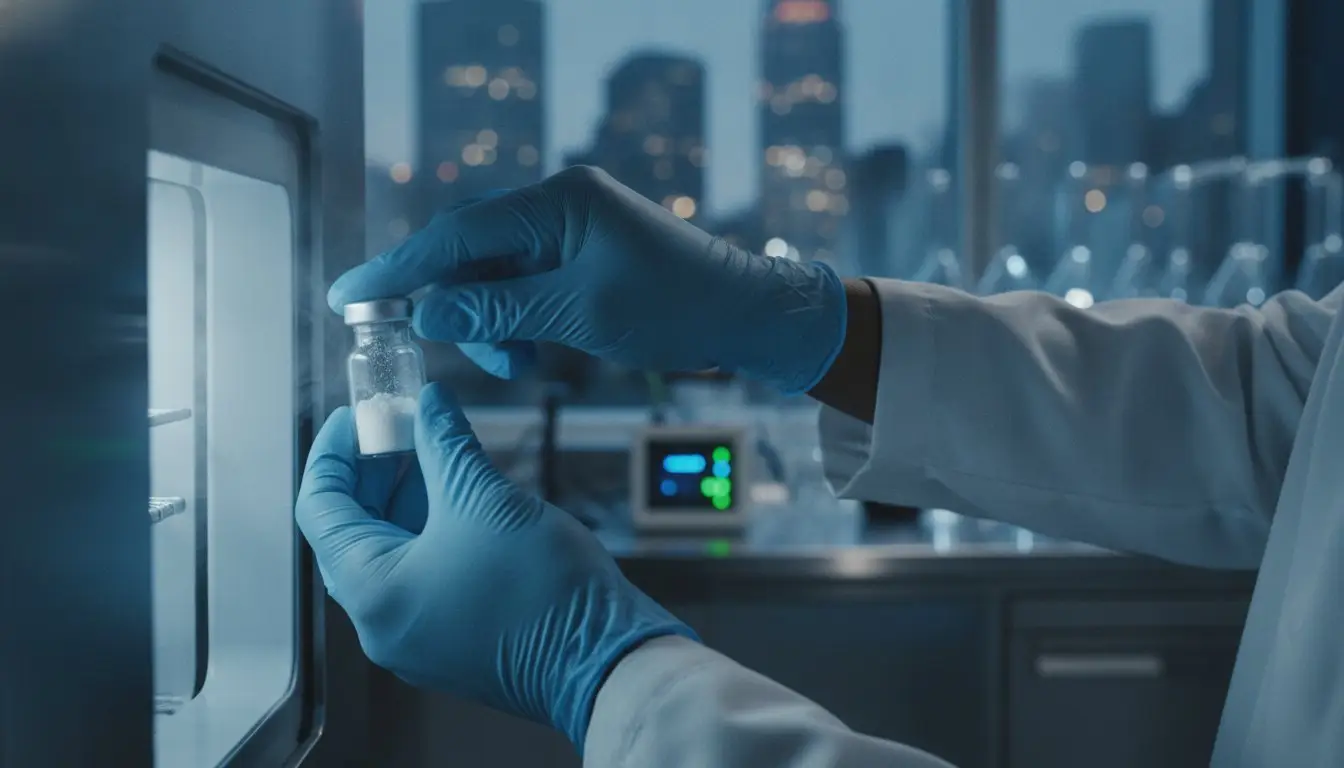
Research Peptide Storage and Handling: A Guide to Maintaining Molecular Integrity
A single 10-degree Celsius increase in temperature can double the rate of chemical degradation for many sensitive laboratory compounds. This reality...
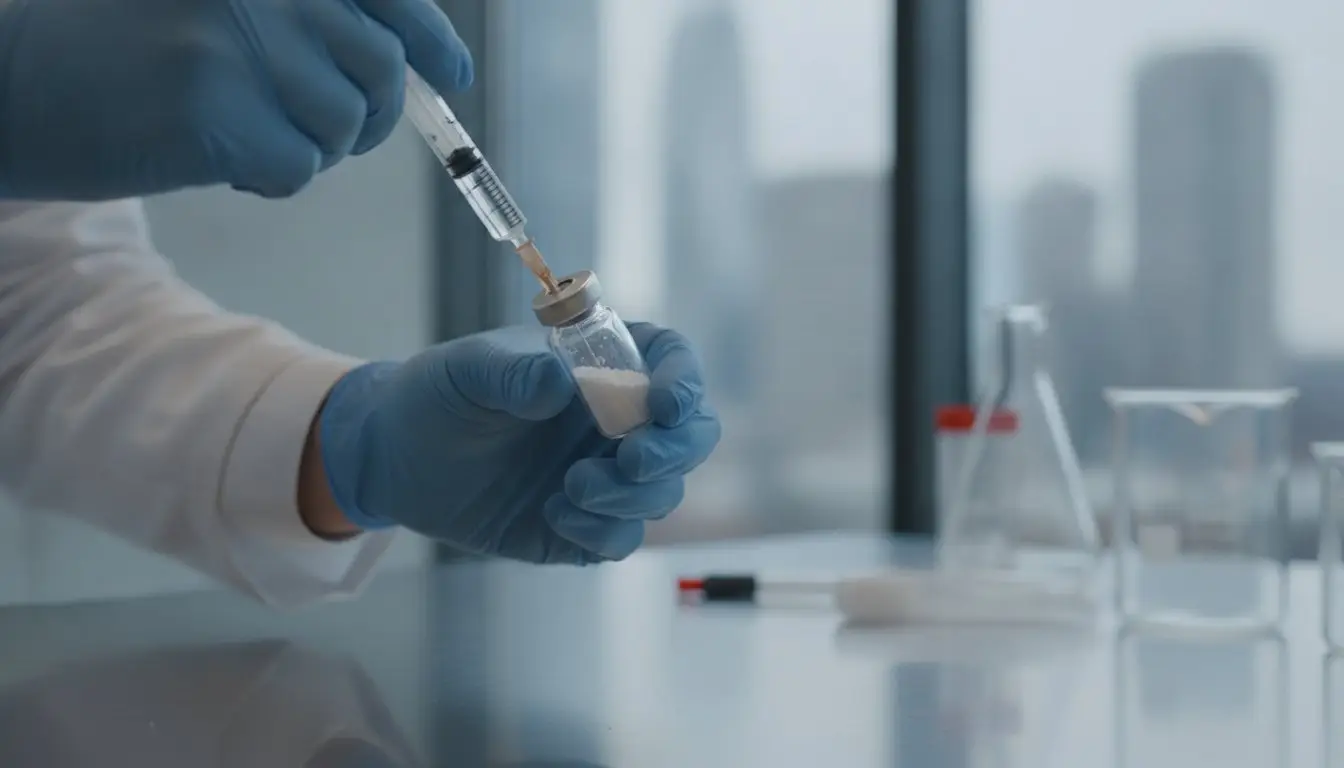
BPC-157 Reconstitution Protocol for Research: Laboratory Best Practices
Inconsistent molarity in a single batch can invalidate months of laboratory data, turning a controlled experiment into a series of unrepeatable...
Lyophilized Peptides: 2026 Procurement & Verification
In a global peptide market projected to reach $164 billion by the end of 2026, the lack of official USP standards for most research compounds leaves...
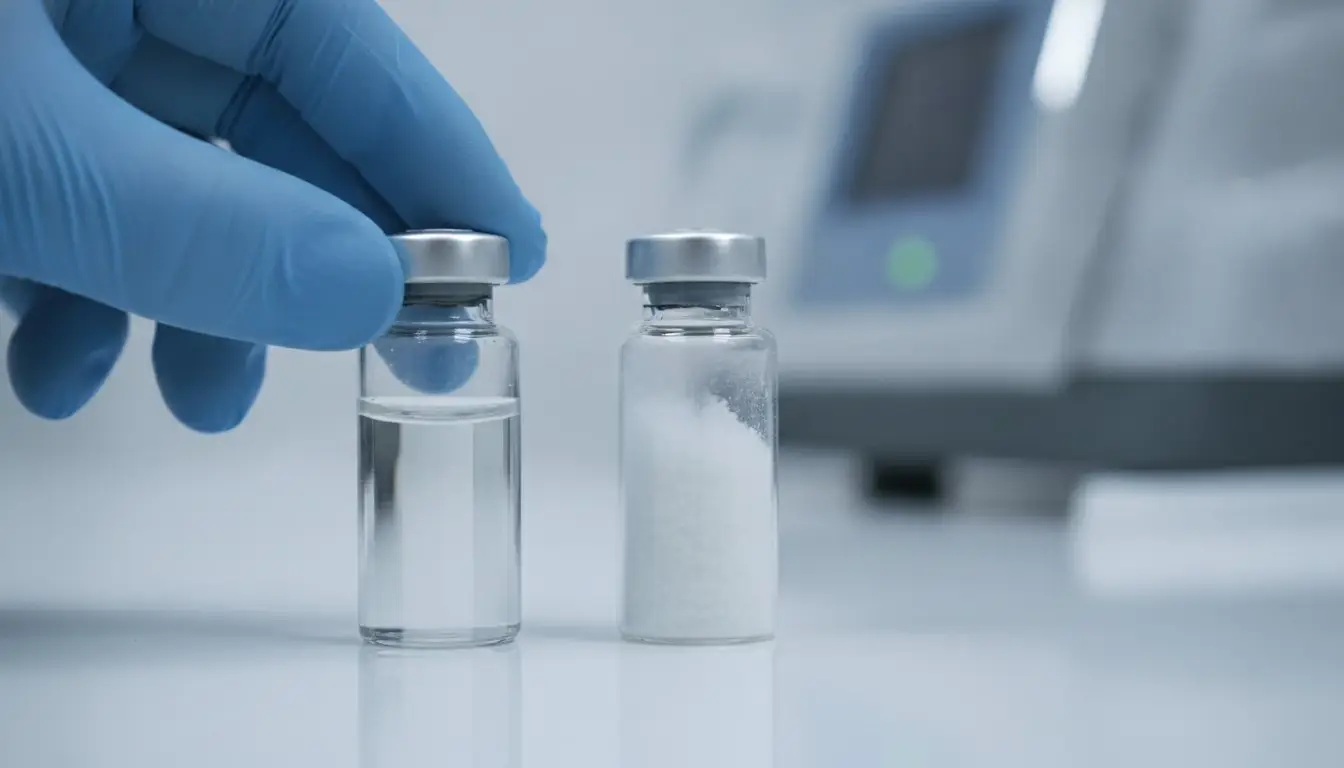
Peptide Stability Guide: Maintaining Molecular Integrity
Peptide degradation is not an inherent molecular limitation; it's a manageable variable of environmental control. When inconsistent data or lost...
