Research Articles
Reconstituting Peptides for Research: A Professional Laboratory Protocol

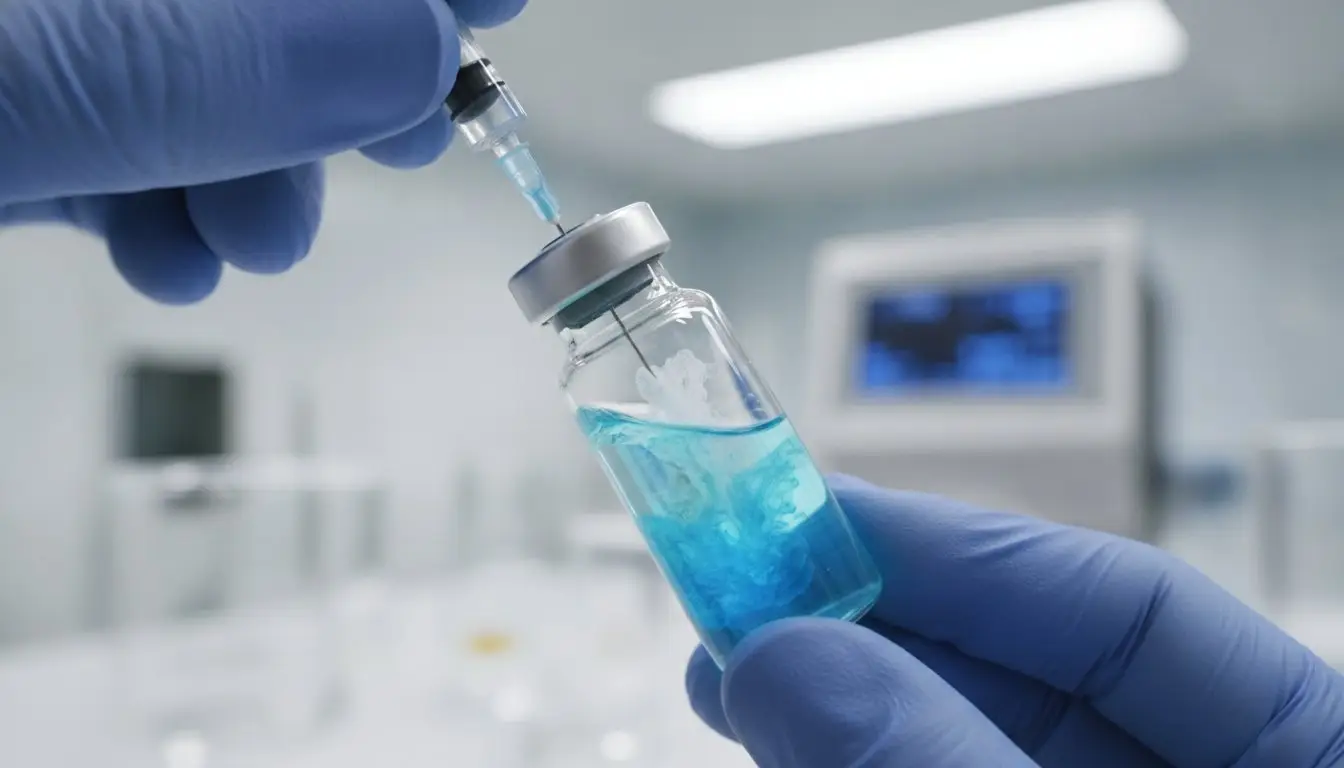
A single handling error during the initial preparation phase can render an expensive, high-purity lyophilized compound biologically inert before your study even begins. With market data from August 2026 showing stockout rates as high as 44.8 percent for specific sequences like BPC-157, the margin for error in the lab has never been thinner. You likely recognize that experimental reproducibility depends entirely on the structural integrity of your starting materials. It’s frustrating to face inconsistent data or degraded samples simply because of a slight deviation in solvent selection or mechanical agitation. Mastering the precise scientific methods for reconstituting peptides for research is the only way to ensure your results remain valid and repeatable.
This article provides a professional laboratory protocol designed to eliminate the guesswork from your workflow. You’ll learn how to dissolve research compounds while maintaining their delicate amino acid chains and maximizing long-term stability. We will detail the specific solvents required for varied sequences, the physics of proper titration, and the mathematical formulas necessary for accurate dosing. By following these standardized steps, you can protect your investment and focus on the empirical data that drives your research forward.
Key Takeaways
- Understand why lyophilization is essential for preserving amino acid chains and how improper dissolution can compromise molecular integrity.
- Identify the specific chemical criteria for selecting the correct diluent to ensure optimal solubility and long-term compound stability.
- Master a repeatable laboratory protocol for reconstituting peptides for research that prioritizes aseptic technique and precise concentration calculations.
- Learn to manage the “stability clock” by maintaining strict temperature controls between 2°C and 8°C to prevent premature degradation.
- Discover how starting with high-purity compounds prevents trace impurities from accelerating the breakdown of your reconstituted samples.
The Science of Peptide Reconstitution in Laboratory Settings
Reconstitution is the precise chemical process of restoring a lyophilized, freeze-dried solid to a liquid state through the introduction of a specific solvent. In a controlled laboratory environment, this phase is much more than a simple mixing step; it’s a critical transition that dictates the compound’s eventual stability. High-purity research compounds are usually delivered in this state to preserve the structural integrity of their amino acid chains during storage and transport. To understand the underlying chemistry of these substances, it’s helpful to review the basics of What are Peptides and the covalent bonds that define their structure.
The transition from a solid cake to a solution represents the highest risk point for peptide degradation. When you begin reconstituting peptides for research, the sudden hydration can trigger localized thermal or pH changes that threaten the molecule’s secondary structure. Precision during this step is non-negotiable. If the compound denatures during reconstitution, any subsequent analytical data becomes invalid. Experimental accuracy relies on the assumption that the peptide remains intact and fully functional throughout the study.
Understanding the Lyophilized State
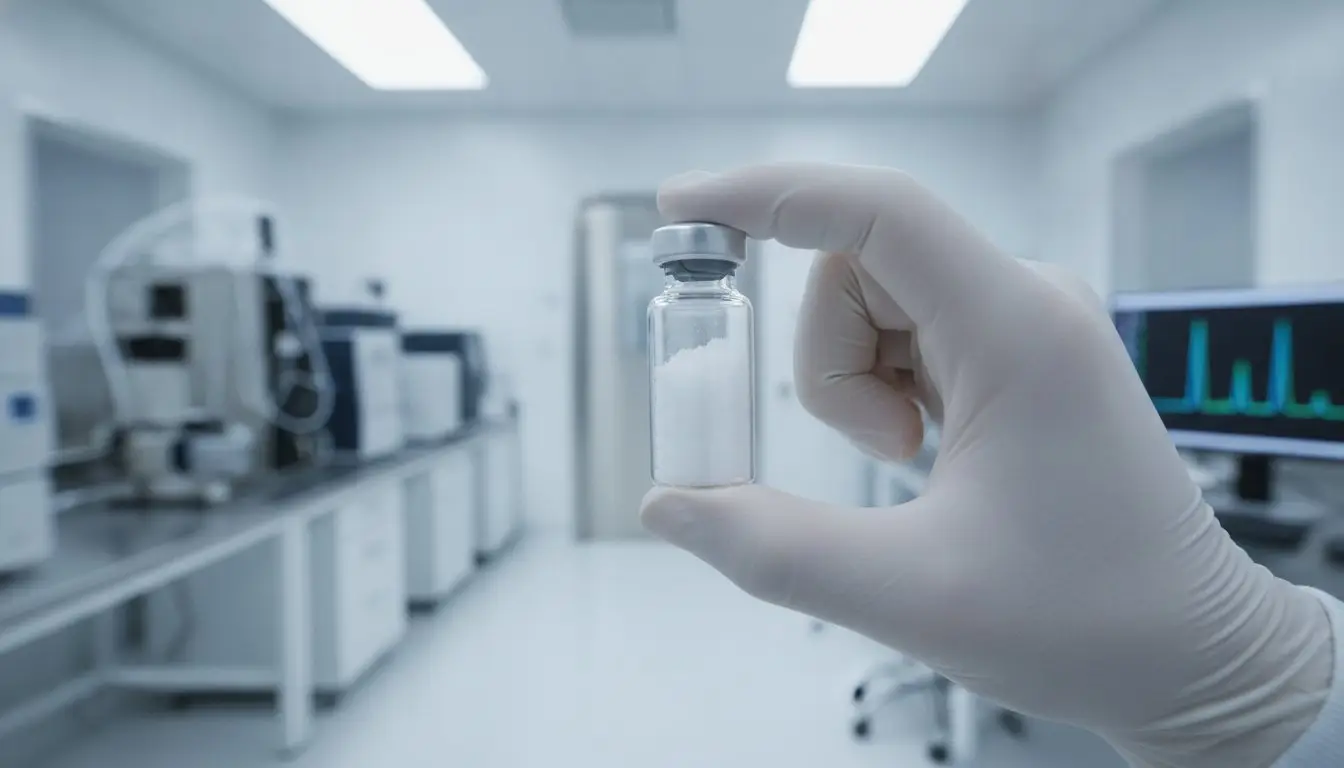
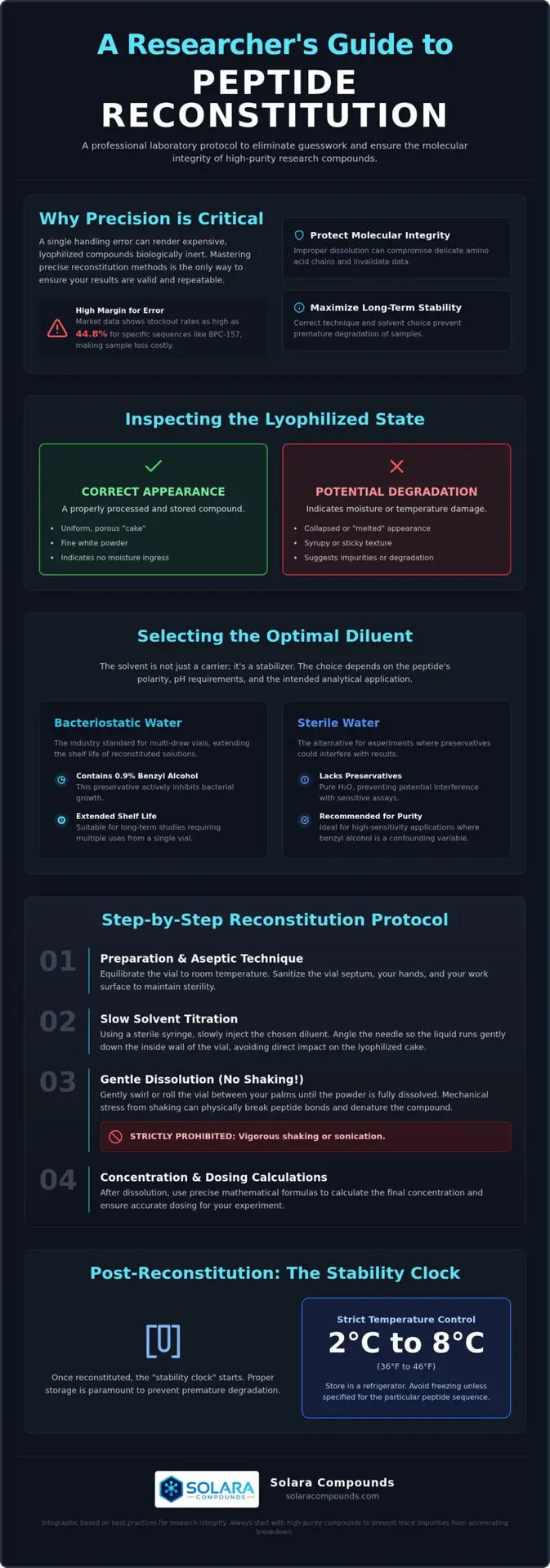
Lyophilization works by removing moisture through sublimation, which leaves behind a stable molecular scaffold. This process results in a “cake” that should appear as a uniform, porous mass or a fine white powder. A successful cake indicates the compound was processed correctly and kept free of moisture. If you observe a collapsed, “melted,” or syrupy appearance, the vial has likely suffered from moisture ingress or temperature spikes. These physical markers are early indicators of potential impurities or degradation that can interfere with your results before the lab work even begins.
Molecular Vulnerability and Mechanical Stress
Peptide bonds are notoriously sensitive to environmental factors like heat, light, and mechanical forces. While many laboratory chemicals require vigorous mixing, peptides demand a more delicate approach. Shaking a vial is strictly prohibited because it introduces air bubbles and increases surface tension, which can physically break the molecular chains. The sensitivity of a peptide bond to mechanical shear stress refers to the potential for physical agitation to disrupt the specific covalent links and folding patterns that maintain the molecule’s biological activity. Instead of shaking, researchers use a gentle swirling motion to encourage dissolution without compromising the compound’s structural integrity.
Selecting the Optimal Diluent for Peptide Stability
Choosing a diluent is a critical decision in the process of reconstituting peptides for research. The solvent acts as the chemical environment for your study. It isn’t merely a carrier; it’s a stabilizer that maintains the molecular structure. Your choice depends on the peptide’s polarity, pH requirements, and the intended analytical application. Using the wrong solvent can lead to immediate precipitation or irreversible aggregation. This renders the compound useless for precise laboratory work. Researchers must evaluate the sequence’s hydrophobic or hydrophilic nature before introducing any liquid.
The pH of the environment significantly impacts solubility. Every peptide has an isoelectric point where its net charge is zero. If the solvent’s pH matches this point, the peptide will likely precipitate out of the solution. To prevent this, you must adjust the environment to ensure the molecule remains charged and soluble. Accurate reconstitution ensures that downstream data reflects the true properties of the compound rather than artifacts of poor dissolution. Starting with high-purity lyophilized powder from US-based suppliers like Solara Compounds ensures that your chosen solvent isn’t fighting against manufacturing impurities during this delicate phase.
Common Solvents: Bacteriostatic vs. Sterile Water
Bacteriostatic water is the industry standard for multi-draw laboratory vials. It contains 0.9% benzyl alcohol. This preservative inhibits bacterial growth and extends the shelf life of the reconstituted solution. As of August 2026, the price for a 10mL vial of medical-grade bacteriostatic water is approximately $19.99. While effective for most studies, the alcohol can interfere with certain sensitive biochemical assays. In those cases, sterile water is the preferred alternative. It lacks preservatives and is ideal for single-use analytical procedures where purity is the absolute priority. For assays requiring specific osmotic pressures, 0.9% Normal Saline is utilized to maintain isotonicity.
Advanced Solvents for Hydrophobic Peptides
Hydrophobic peptides present a unique challenge because they don’t dissolve readily in aqueous environments. Following an Official Peptide Dissolution Protocol is essential when dealing with these complex sequences. Basic peptides often require a slightly acidic environment, such as 0.1% to 1% dilute acetic acid, to achieve full solvency. Conversely, acidic peptides may need a higher pH, which is achieved using dilute ammonium hydroxide. When aqueous methods fail, organic solvents like DMSO or Acetonitrile are used to create a concentrated “stock” solution. This stock is then further diluted with water or buffer to the final working concentration required for the study.
Step-by-Step Protocol for Reconstituting Research Peptides
Executing a precise protocol is the only way to ensure the reliability of your study. Reconstituting peptides for research requires a controlled environment to prevent contamination and mechanical degradation. Every movement should be deliberate. While a simple clean bench may suffice for basic tasks, a laminar flow hood is the preferred standard for maintaining an aseptic environment. This setup protects the compound from airborne particulates that could act as catalysts for degradation or introduce microbial impurities into your sample.
Supplies and Aseptic Preparation
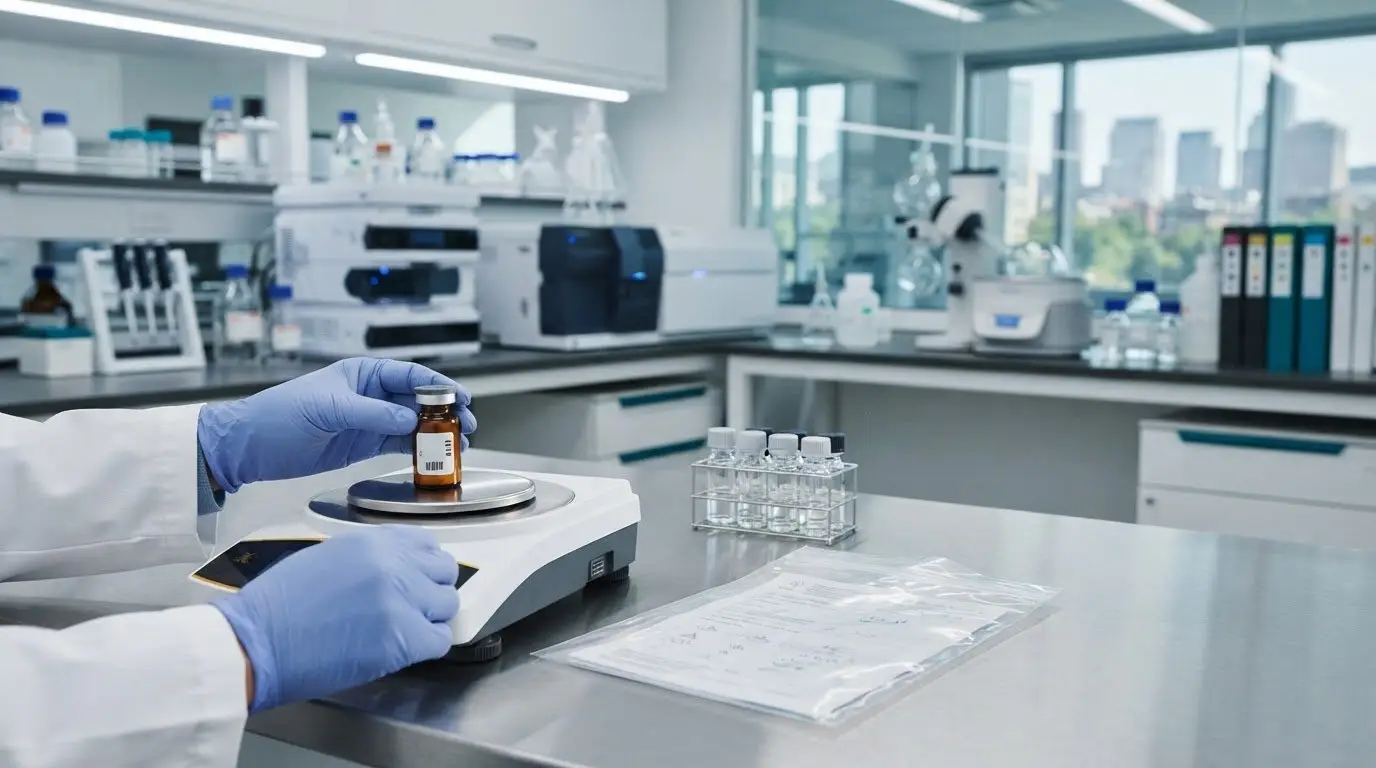
Start by gathering laboratory-grade supplies. You’ll need insulin-style syringes for precise volume measurement, 70% isopropyl alcohol swabs, and your verified diluent. Before beginning, sanitize the work surface and the vial’s rubber stopper thoroughly. Always consult the batch-specific Certificate of Analysis (COA) to confirm the exact mass of the material. For instance, a vial labeled as Retatrutide 10mg contains a precise quantity that dictates your final concentration calculation. Verifying this mass against the COA ensures that your dosing remains accurate across different batches.
Managing Vial Pressure and the Vacuum Effect
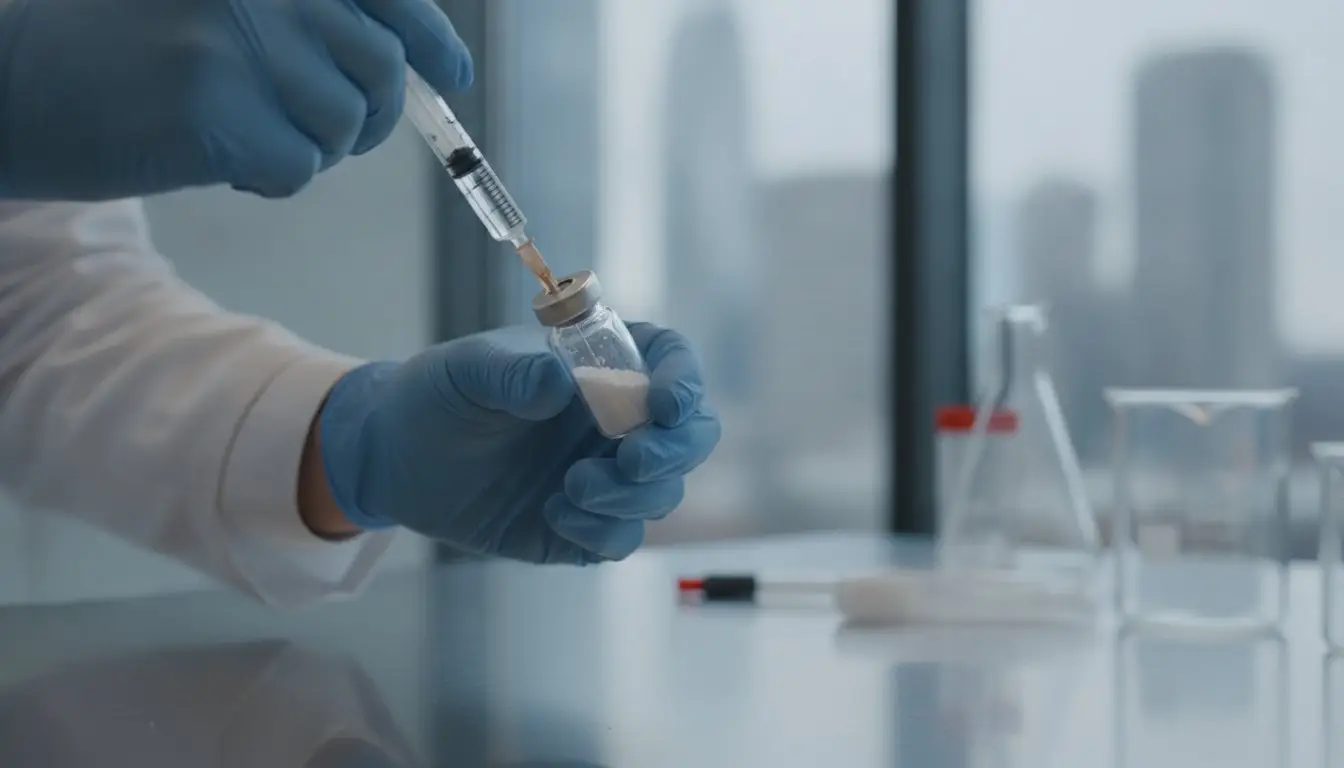
Most lyophilized vials are sealed under a vacuum to enhance long-term stability. If you puncture the stopper without equalizing the pressure, the solvent will be pulled in violently. This aggressive entry can damage the peptide’s molecular structure through localized high-pressure impact. To prevent this, use the “equal air” technique. Draw a volume of air into your syringe equal to the amount of solvent you intend to use. Puncture the stopper and allow the vacuum to pull the air in first, or manually inject it to neutralize the internal pressure. This step is critical to prevent the aerosolization of the compound. Aerosolization creates a safety risk for the researcher and leads to the loss of expensive material.
Dissolution and Final Inspection
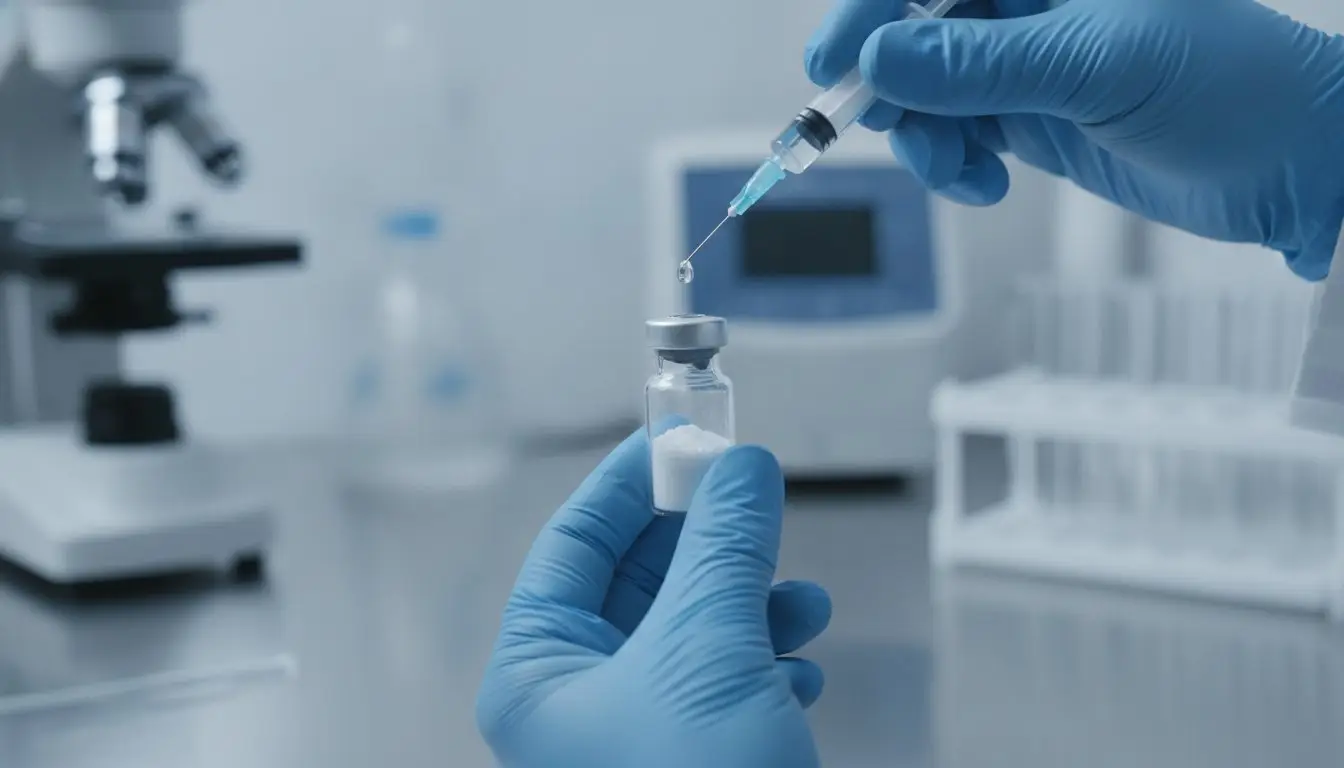
Once the pressure is equalized, introduce the solvent using the “Slow Drip” method. Aim the needle at the inside wall of the glass vial so the liquid trickles down slowly. Don’t spray the diluent directly onto the lyophilized cake. After the liquid is added, use a gentle swirling motion to encourage dissolution. Never shake the vial, as the resulting shear stress can denature the peptide chains.
Verification is the final step of the protocol. A successful dissolution results in a perfectly clear solution. If the liquid remains cloudy or contains visible particulates, the peptide hasn’t fully dissolved or has precipitated due to a pH mismatch. You can calculate your final concentration using a simple formula: [Total mg of peptide] / [mL of solvent used] = mg/mL concentration. For example, 10mg of peptide in 2mL of solvent yields a 5mg/mL concentration. This formulaic approach ensures precise dosing in all downstream research applications.
Maintaining Stability: Handling and Storage Post-Reconstitution
The chemical stability of a peptide in its lyophilized state is remarkably robust. However, the introduction of a solvent drastically reduces its shelf life and increases its vulnerability to environmental stressors. Reconstituting peptides for research initiates a “stability clock” that is accelerated by heat, light, and kinetic energy. To preserve the molecular integrity of your study, you must control these variables with the same precision used during the initial dissolution. Failure to do so can lead to deamidation or oxidation, which compromises the validity of your experimental results.
Temperature control is the most critical factor in post-reconstitution handling. Maintaining a consistent range between 2°C and 8°C (36°F to 46°F) is mandatory for the vast majority of research compounds. Even brief exposures to room temperature can trigger rapid degradation of the amino acid sequence. Additionally, UV protection is essential for UV-sensitive chains. Use amber vials or opaque storage containers to shield your samples from light; UV radiation can cleave sensitive peptide bonds and render the compound biologically inert.
Short-term vs. Long-term Storage Protocols
Refrigerated samples are typically viable for one to four weeks depending on the specific peptide sequence and the purity of the starting material. You should generally avoid re-freezing a peptide once it has been reconstituted. The formation of ice crystals during the freezing process creates mechanical shear that can physically rupture the peptide’s delicate structure. For consistent results, label every vial with the date of reconstitution and the exact calculated concentration. To ensure you are starting with the highest quality material, purchase high-purity research peptides from Solara Compounds for your laboratory needs.
Identifying Peptide Degradation
Monitoring your samples for physical changes is a standard laboratory practice that helps identify compromised material early. Visual indicators like cloudiness, significant color shifts, or the formation of visible particulates suggest that the peptide has precipitated or aggregated. Chemical indicators are more subtle; they may include a drift in the solution’s pH or a measurable loss of activity in bio-assays. It’s vital to remember that visual clarity does not always guarantee molecular potency. Even a perfectly clear solution may have undergone silent degradation that renders your experimental data inaccurate. Regular testing and strict adherence to storage protocols are the only ways to verify the continued integrity of your research materials.
Ensuring Research Integrity with High-Purity Compounds
The success of reconstituting peptides for research depends entirely on the initial quality of the lyophilized material. High-purity compounds provide a stable foundation for dissolution. Conversely, low-grade materials often contain trace impurities that act as catalysts for rapid degradation once a solvent is introduced. These impurities, which may include residual organic solvents or truncated peptide sequences, can destabilize the primary structure and lead to inconsistent experimental results. Reliability in longitudinal studies requires a baseline of consistency that only professional-grade synthesis can provide. When the starting material is compromised, even the most rigorous laboratory protocol cannot restore the compound’s intended molecular function.
Interpreting the Certificate of Analysis (COA)
A batch-specific Certificate of Analysis is the researcher’s primary tool for verifying compound integrity. You should look for a purity percentage that exceeds 98% as determined by High-Performance Liquid Chromatography (HPLC). This metric ensures the sample is free from significant manufacturing byproducts. Mass Spectrometry data should also be present to confirm that the molecular weight of the batch matches the theoretical value of the target sequence. Salt content, often present as trifluoroacetate (TFA) from the purification process, should be minimized to prevent interference with sensitive biochemical assays. Solara Compounds provides this level of batch-specific transparency to ensure every study begins with a verified, high-purity compound. Choosing a domestic, US-based supplier is equally important; it minimizes transit times and reduces the risk of temperature fluctuations that can occur during international transport.
Conclusion: The Researcher’s Responsibility
Maintaining the integrity of the scientific method requires absolute control over every laboratory variable. The protocol for reconstituting peptides for research is more than a preparation step; it’s a safeguard for your data’s validity. By mastering the nuances of solvent selection, pressure equalization, and aseptic technique, you ensure that your findings are based on the compound’s actual properties rather than artifacts of degradation. Accuracy in research is a choice that begins with the materials you source and continues through the precision of your handling. To ensure your work meets these rigorous standards, you can Explore Solara Compounds high-purity research peptides for your next study. Always prioritize high-purity materials to achieve reproducible, credible results in every laboratory application.
Advancing Your Research with Precision Protocol
Mastering the technical nuances of reconstituting peptides for research is a fundamental requirement for any high-precision laboratory study. Success depends on more than just mixing powder and liquid; it requires careful diluent selection, meticulous pressure equalization, and strict adherence to the stability clock during storage. By prioritizing these scientific methods, you protect the molecular integrity of your compounds and ensure the reproducibility of your experimental data. Consistency in these early stages is the hallmark of professional laboratory practice.
Experimental accuracy is only possible when you start with materials that meet the highest industry standards. Solara Compounds supports your commitment to excellence by providing third-party HPLC and Mass Spectrometry verified purity for every batch. With secure US-based shipping for laboratory institutions and a batch-specific COA included with every order, you can focus on your analysis with total confidence in your starting compounds. Reliability is built into every vial we provide.
Secure High-Purity Research Compounds for Your Next Study at Solara Compounds
Your dedication to precise methodology is what drives scientific progress. We’re here to provide the reliable foundation your research demands.
Frequently Asked Questions
How much bacteriostatic water should I add to a 10mg peptide vial?
The volume of solvent you add depends on your target concentration, though 2mL is a standard laboratory volume for a 10mg vial. Adding 2mL results in a 5mg/mL concentration, which is sufficient to ensure complete dissolution while keeping the solution concentrated enough for precise measurement. It’s essential to verify the mass on the Certificate of Analysis before calculating your final volume. This step ensures your research data remains accurate and reproducible throughout the study.
What happens if I accidentally shake the peptide vial after adding water?
Shaking the vial introduces mechanical shear stress that can physically rupture the delicate peptide bonds. This agitation often creates foam or bubbles, which increases the surface area exposed to air and can lead to oxidation. If you’ve shaken the vial, the compound may have denatured, potentially rendering it biologically inert. It’s best to observe the solution for persistent cloudiness or particulates before proceeding with your study to ensure the results aren’t compromised.
Why did my peptide solution turn cloudy after reconstitution?
Cloudiness typically indicates that the peptide hasn’t fully dissolved or has precipitated due to an incorrect pH environment. This often occurs when the solvent’s pH is too close to the peptide’s isoelectric point. You may need to adjust the environment using dilute acetic acid for basic peptides or ammonium hydroxide for acidic ones. If cloudiness persists despite pH adjustment, the compound might contain impurities that interfere with the dissolution process or indicate the sequence has degraded.
Can I use tap water or bottled water to reconstitute peptides for research?
No, you must never use tap or bottled water for reconstituting peptides for research because they contain minerals and microbial contaminants. These impurities can trigger rapid degradation or cause the peptide to precipitate out of the solution. Professional protocols require medical-grade bacteriostatic water or sterile water to ensure a controlled, aseptic environment. Using non-laboratory grade solvents compromises the structural integrity of the compound and the validity of your experimental results in any study.
How long do reconstituted peptides remain stable in the refrigerator?
Most compounds used for reconstituting peptides for research remain stable for one to four weeks when stored at a consistent temperature between 2°C and 8°C. The exact duration depends on the specific amino acid sequence and the purity of the starting material. Stability decreases rapidly if the vial is exposed to light or temperature fluctuations. Labeling your vials with the reconstitution date is a critical laboratory practice to ensure you don’t use degraded samples.
Is it possible to reconstitute two different peptides in the same vial?
Mixing two different peptides in a single vial isn’t recommended as it complicates the chemical environment and increases the risk of cross-reaction. Different sequences often have unique pH and solvency requirements that may be incompatible. This practice makes it impossible to verify the stability or concentration of each individual compound accurately. To maintain research integrity, you should always reconstitute and store each research peptide in its own dedicated, sterile laboratory vial.
How do I calculate the concentration of my peptide solution?
You calculate the concentration by dividing the total mass of the peptide in milligrams by the volume of solvent added in milliliters. For example, if you add 2mL of bacteriostatic water to a 10mg vial, the calculation is 10mg / 2mL, resulting in a concentration of 5mg/mL. Always confirm the exact mass from the batch-specific COA, as vials may occasionally contain slightly more than the nominal weight to ensure full recovery during your procedures.
What should I do if the vacuum in the vial doesn’t pull the water in?
If the vacuum is absent, you must manually inject the solvent very slowly to avoid mechanical stress. A missing vacuum doesn’t necessarily mean the peptide is degraded, but it does require more careful handling to prevent aerosolization. Use a steady hand to drip the liquid down the side of the glass. Once the solvent is added, inspect the lyophilized cake closely for any signs of moisture ingress that might’ve occurred if the seal was compromised.