Research Articles
Science.bio Alternatives: A Lab Buyer’s Guide


A supplier’s name is only part of the comparison; the batch record matters just as much. Since Science.bio announced its permanent closure on January 27, 2026, lab buyers looking for alternatives to science.bio for research compounds have had to reassess where product documentation and procurement details stand.
That uncertainty is understandable. A general COA may not identify the lot being purchased, and supplier claims can be difficult to compare without clear analytical records. The practical approach is to assess each option against the same criteria: lot traceability, testing transparency, fit with laboratory research needs, and clear U.S. purchasing information.
This guide explains what to look for in batch-specific COAs and independent testing, and how to judge whether a catalog and its documentation support your lab’s purchasing process. Solara Compounds provides lot-number traceability, batch-specific COAs, and independent third-party testing through Kovera Labs, giving buyers concrete records to review rather than relying on broad claims alone.
All products discussed are for laboratory research only. They are not for use in people or animals and are not medicines or dietary supplements.
Key Takeaways
- Use the same criteria to compare alternatives to science.bio for research compounds: research fit, documentation, testing disclosure, and procurement information.
- Match the compound identity and lot number on product labeling with the available batch records before documenting a purchase.
- Compare supplier models by their disclosed practices, not broad quality rankings or claims that aren’t supported by records.
- Build a repeatable review record that captures the selected compound, lot identifier, available COA, and relevant supplier details.
- Solara Compounds reports identity confirmation using MALDI-TOF and LC-MS and HPLC purification targeting greater than 98% purity minimum; analytical records support batch review, not experimental outcomes.
Why Research Buyers Look for Alternatives to Science.bio
Supplier comparisons are a normal part of laboratory procurement. A project may require a different catalog selection, more traceable batch records, a purchasing workflow that fits institutional processes, or fulfillment arrangements that align with the lab’s schedule. These are practical reasons to review alternatives to Science.bio, without assuming that any particular supplier has changed its offerings or failed to meet a standard.
A useful alternative is not simply another name on a vendor list. It’s a supplier whose product range fits the research scope, whose records help buyers trace the material to an identified lot, and whose ordering information supports a clear procurement decision. Applying the same criteria to each supplier makes comparisons more consistent and easier to document.
What should prompt a supplier comparison?
Start with a change in the lab’s requirements. A researcher may need a compound that better fits a defined project, while a purchasing team may need clearer documentation for internal review or a more workable ordering process. Fulfillment requirements can also matter, particularly when receiving, storage, and project schedules need to be coordinated. For instance, an institutional buyer may need to capture product and supplier details in a purchasing record before an order is placed.
These are comparison triggers, not judgments about a specific vendor. The goal is to identify what the lab needs, then evaluate whether each supplier’s product information, available records, and procurement details address those needs.
Separate supplier claims from evidence
Statements about quality or purity can help buyers understand how a supplier describes its products, but broad marketing language isn’t a substitute for product-specific analytical records. A useful review asks whether documentation identifies the material and connects the information to the lot under consideration. Methods also matter: an overview of peptide synthesis methods can help readers understand that production approaches differ, but it doesn’t verify the identity or purity of a specific batch.
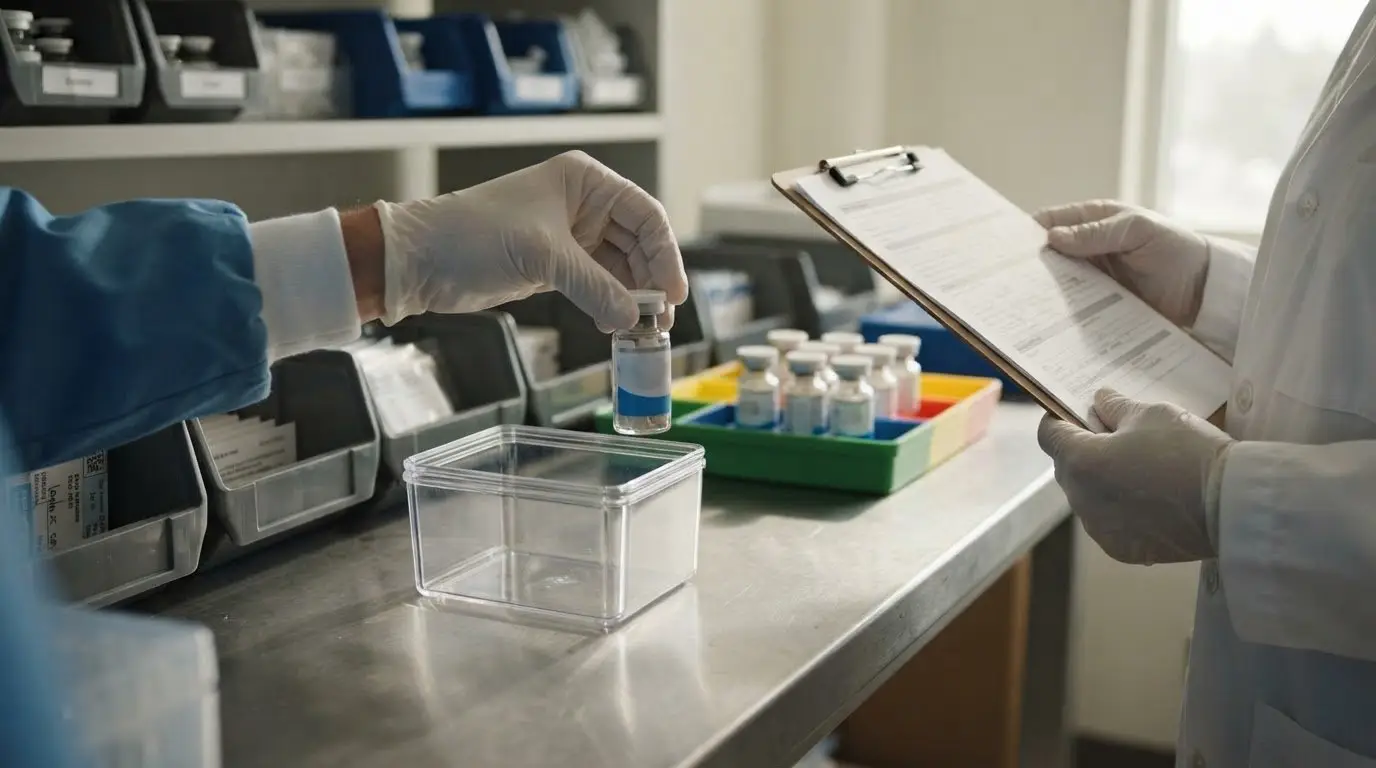
A batch-specific COA is a report linked to an identified product lot, allowing buyers to compare the document with the lot number on the product labeling. If those identifiers don’t match, the record may not establish that it applies to the material being procured. Keep the distinction clear: supplier claims describe a general approach, while lot-linked records provide information to review for a particular batch.
For example, a buyer assessing catalog fit can consider a product listing, such as Solara Compounds’ SOL-2TZ product page, alongside the corresponding available batch documentation. Solara Compounds provides lot-number traceability and batch-specific COAs; those records support review of batch identity and purity, not predictions about experimental outcomes.
Use this evidence-led approach whether reviewing one option or several. Products from Solara Compounds are for laboratory research only, not for human or animal use, and are not medicines or dietary supplements. Its catalog and documentation resources are available at solaracompounds.com.
How to Evaluate Research Compound Suppliers and Batch Documentation
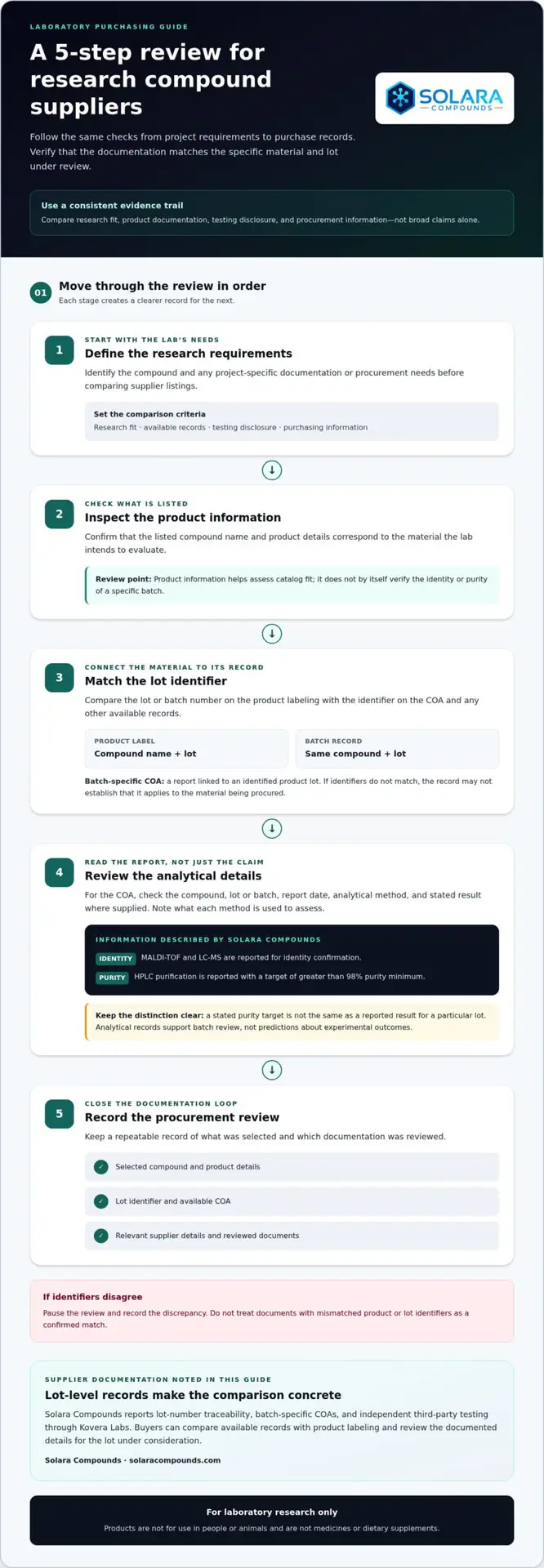
A consistent review turns supplier selection into a documented process rather than a decision based on broad claims. For alternatives to science.bio for research compounds, compare each candidate against the same sequence, from the lab’s needs through the records retained with the purchase.
- Identify research requirements. Define the compound identity and any project-specific documentation or procurement needs before comparing listings.
- Inspect product information. Check that the listed name and product details correspond to the material your lab intends to evaluate.
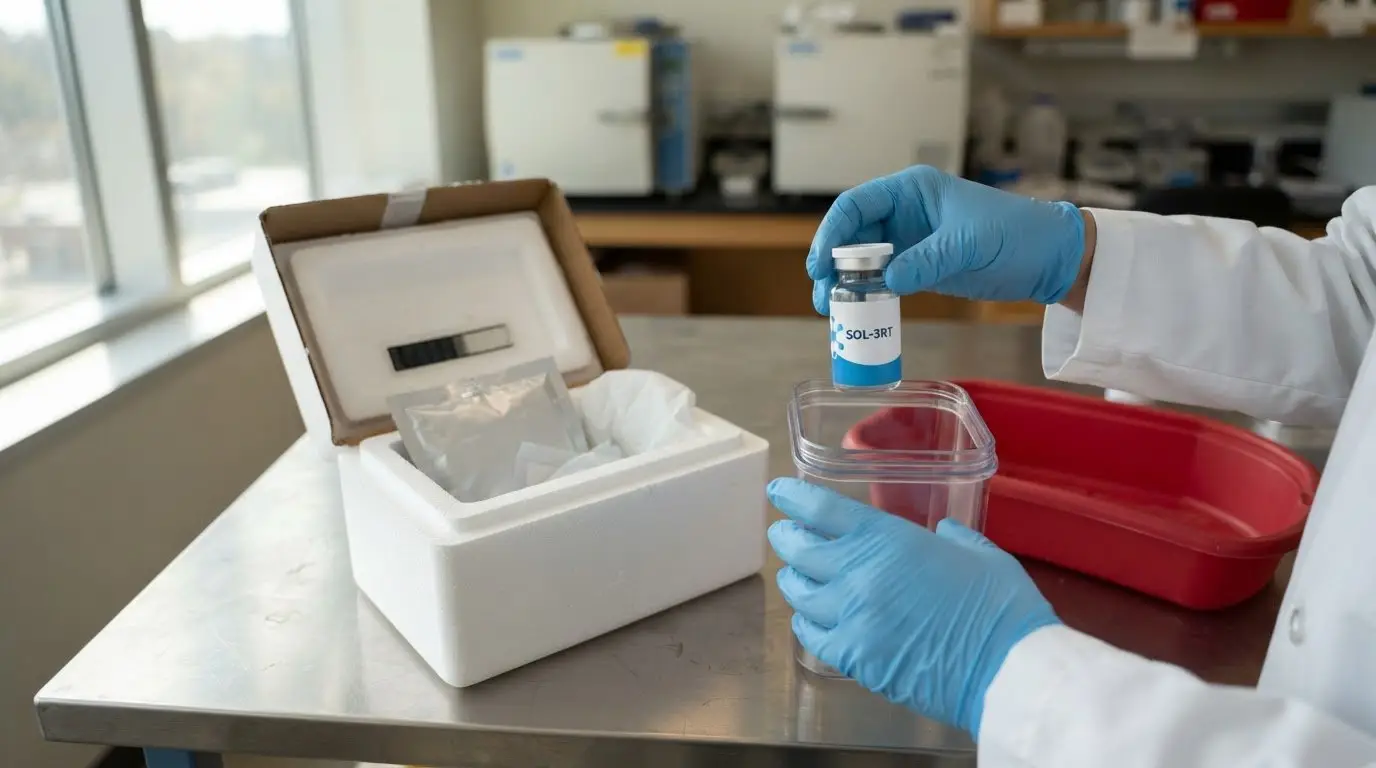
- Match the lot. Compare the lot or batch identifier on product labeling with the identifier on the COA and other available records.
- Review analytical methods. Note which methods are described, what each is used to assess, and what result the report actually states.
- Document procurement. Record the selected product, lot identifier, reviewed documents, and relevant supplier information for the lab’s purchasing file.
This sequence helps prevent a common documentation gap: reviewing a report that describes a compound generally but doesn’t identify the lot being procured. If the product name or lot number differs across the label and report, pause the review and record the discrepancy rather than treating the documents as a confirmed match.
What to look for in a batch-specific COA
Check that the COA identifies the compound and corresponding lot or batch. Then review its report date, analytical method, and stated result, where supplied. These details help a buyer understand what the document covers and whether it aligns with the item under review. Solara Compounds makes batch COAs available through its COA resource, which buyers can use to examine lot-level records.
How testing and purity statements differ
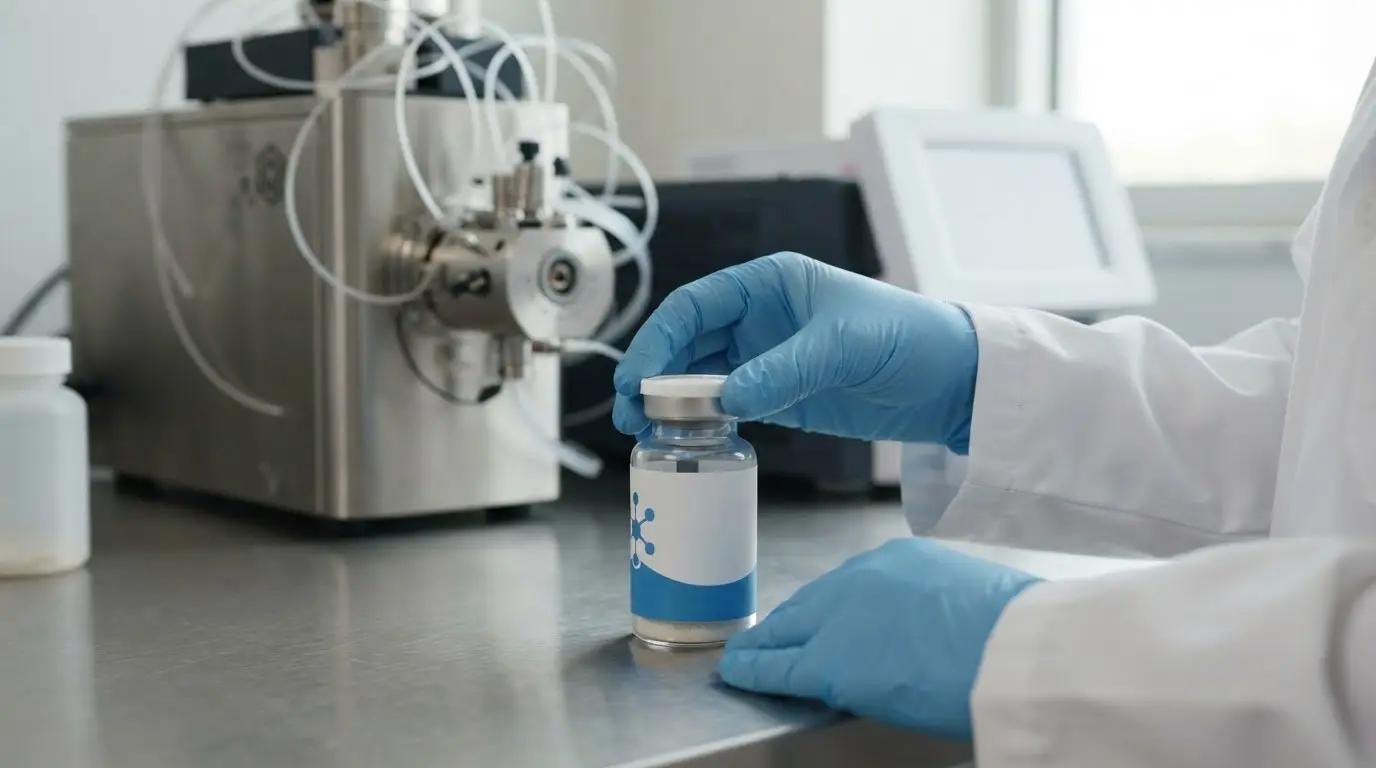
A stated purity target describes a supplier’s stated process or specification; it isn’t the same as a reported result for a particular lot. Solara Compounds states that HPLC purification targets greater than 98% purity minimum. HPLC separates components in a sample, helping assess purity. The batch report should be reviewed for the result it actually provides, rather than assuming a target is a batch-specific measurement.
Solara Compounds reports independent third-party testing through Kovera Labs, with molecular identity confirmation using MALDI-TOF and LC-MS. Mass spectrometry helps assess whether a molecule’s measured mass aligns with its expected identity. These methods support review of batch identity and purity; they don’t predict experimental performance or assure research outcomes. For more method context, buyers can also consult independent educational material on peptide testing before interpreting analytical reports.
Keep the records tied to the procurement decision, not just the supplier profile. Solara Compounds’ catalog is for laboratory research only; products are not for use in people or animals and are not medicines or dietary supplements. To compare catalog information alongside available documentation, review the research compound catalog.
Comparing Supplier Models for Research Peptides in the United States
Supplier format affects how buyers find product details, records, and purchasing information. It doesn’t establish quality by itself. For alternatives to science.bio for research compounds, compare what each supplier discloses and how readily a laboratory buyer can connect that information to a specific product and procurement decision.
| Comparison point | Direct supplier catalog | Marketplace or broader catalog | Mixed research and consumer-facing catalog |
|---|---|---|---|
| Documentation access | Look for product-level records and a clear path to batch documents. | Determine which seller provides the records and where they’re hosted. | Check that research documentation is distinct from general catalog language. |
| Lot traceability | Compare product labeling with the lot identifier on available records. | Identify the responsible supplier for the listed product and lot. | Check whether documents clearly apply to a research product and its lot. |
| Testing disclosure | Review named methods and batch-level results where provided. | Separate platform descriptions from seller-specific testing disclosures. | Distinguish research documentation from broad product or quality claims. |
| Catalog fit | Assess whether the listed compounds match the lab’s research scope. | Compare product identity and details across individual listings. | Look for clear separation of laboratory research products and other offerings. |
| U.S. procurement information | Review stated fulfillment location, ordering steps, and buyer information. | Identify who handles ordering and provides procurement details. | Check that purchasing information pertains to the research catalog. |
Direct supplier catalogs versus broader marketplaces
A direct catalog presents products through the supplier’s own purchasing channel; a marketplace may bring listings from multiple sellers together. Either model can offer useful records. In a direct catalog, supplier-specific documents may be easier to locate when they’re organized alongside product information. In a marketplace, buyers may need to distinguish platform-level descriptions from records supplied for an individual listing. Neither format alone establishes suitability.
Compare documentation, not headline claims
Keep testing methods, lot identifiers, and COA access as separate comparison points. A method named in general quality copy isn’t the same as a report tied to the lot under review. Solara Compounds states that it provides lot-number traceability, batch-specific COAs, and independent third-party testing through Kovera Labs. For any supplier, record what the available documents actually identify, rather than treating a headline claim as batch evidence.
Lot-level traceability makes procurement review more repeatable because it lets buyers connect the product received with the records retained for that purchase.
The supplied SERP snapshot describes different catalog approaches, including direct-to-buyer catalogs and broader catalogs that combine research and other product categories. These snapshot descriptions aren’t independent verification of current supplier practices. Review current product pages and purchasing information before relying on any specific claim; don’t infer delivery timelines or documentation coverage from a catalog model alone.
For U.S. laboratory procurement, compare the stated fulfillment location, shipping coverage, ordering steps, and available buyer information. These details help determine whether a supplier’s process fits the lab’s purchasing workflow without assuming a delivery window or regulatory requirement. Solara Compounds serves qualified scientific buyers in the United States, and its products are for laboratory research only, not for use in people or animals, and are not medicines or dietary supplements. Buyers can review Solara’s research catalog as one option in a consistent supplier comparison.
A Practical Supplier Review Workflow for Laboratory Buyers
A repeatable review helps a lab compare suppliers without relying on memory or changing criteria from one candidate to the next. For buyers evaluating alternatives to science.bio for research compounds, the goal is a concise record that supports the purchasing decision and can be revisited later.
Work through these steps in order:
- Define the research scope. Record the compound identity and the project’s relevant laboratory requirements before reviewing suppliers.
- Shortlist suppliers. Note which suppliers appear to carry a relevant catalog and provide procurement information that fits the lab’s process.
- Review product records. Compare the product name and lot identifier on labeling with the available COA and other analytical documents. Note the methods and results reported.
- Record unresolved details. List missing or unclear information as a question for the purchasing review. Don’t treat an unanswered detail as proof of a quality problem.
- Retain the decision record. Document the selected compound, lot identifier, available COA, relevant supplier information, and the date each document was reviewed.
This sequence creates a useful trail from the research requirement to the purchasing choice. A COA can support review of batch identity and purity, but it doesn’t predict how a compound will perform in an experiment or guarantee an outcome.
Build a consistent supplier comparison record
Use the same fields for each candidate so the comparison stays organized. Include product identity, lot traceability, available analytical documentation, stated research-use framing, and procurement details relevant to the lab. Add a document-review date; records can change, and the date helps colleagues understand which information informed the decision. Apply the lab’s own criteria rather than inventing acceptance thresholds or institutional rules.
A simple record might note a product name, the lot number appearing on its label, whether a matching COA was reviewed, what analytical methods the report identifies, and the supplier details needed for the purchasing file. Keep observations separate from conclusions. For example, “lot identifier not found in the document reviewed” describes the review; it doesn’t, by itself, establish a quality defect.
Know when documentation needs further review
Pause the procurement review if the product name or lot identifier on a record doesn’t match the labeling, or if a document’s scope is unclear. Note the specific discrepancy and leave it unresolved until the lab’s review process can address it. Missing information and negative evidence aren’t the same thing. A broader overview of research peptide sourcing criteria can help buyers structure that evaluation without substituting general guidance for batch-level records.
Solara Compounds provides a U.S.-based catalog and documentation resources for qualified scientific buyers. Its products are for laboratory research only, not for human or animal use, and are not medicines or dietary supplements. To apply this workflow to catalog review, view the current research catalog.
Solara Compounds as a Research Supplier Alternative
For lab buyers comparing alternatives to science.bio for research compounds, Solara Compounds offers a U.S.-based catalog supported by product and batch documentation. Its approach centers on traceability and analytical records, giving qualified scientific buyers information to review as part of laboratory procurement. The records help describe the material and its documented characteristics. They don’t establish how it will perform in an experiment.
What Solara’s documentation-first approach provides
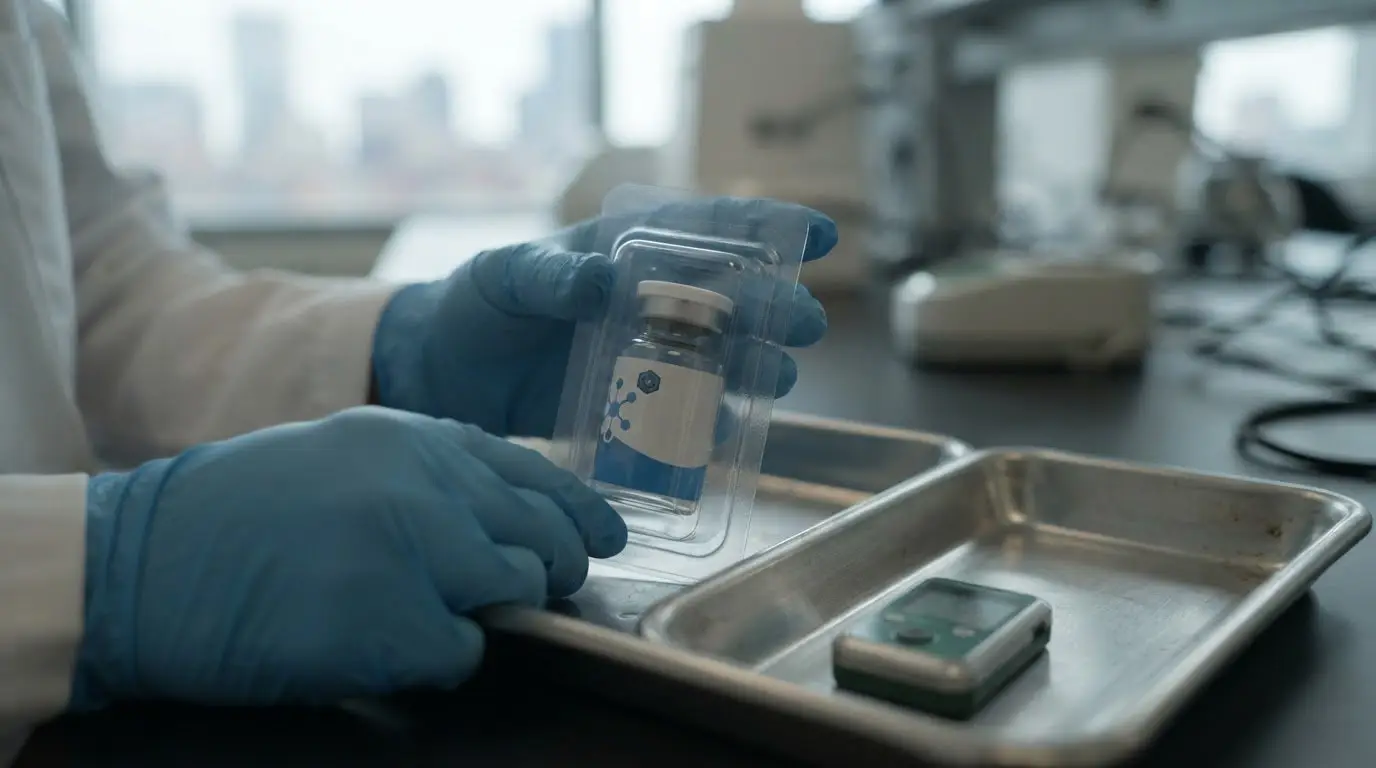
Each batch receives a unique lot number, and batch-specific Certificates of Analysis (COAs) are available. Buyers can use the lot identifier to connect product labeling with the available documentation, then review what the report states about that batch. Solara also reports independent third-party testing through Kovera Labs.
The stated purification target is greater than 98% purity minimum using HPLC. HPLC separates components in a sample, supporting purity assessment. Solara reports using MALDI-TOF and LC-MS for molecular identity confirmation. These mass spectrometry methods help assess whether a sample’s measured molecular mass aligns with an expected identity.
These are distinct pieces of information: a stated process target describes an intended specification, while a batch report provides results for an identified lot where supplied. Reviewing both can help buyers assess documentation more precisely. Neither the methods nor the reported results guarantee experimental outcomes, reproducibility, or suitability for a particular research question. They are inputs to a lab’s own evaluation.
Review the catalog and supporting records
For procurement, begin with the compound identity and research scope, then examine the relevant product information and available batch records. Check whether the lot number on the labeling corresponds to the COA, and note the methods and results the document reports. Solara’s batch COA resource gives buyers a place to review available lot documentation as part of that process.
Solara Compounds presents its catalog for qualified scientific buyers in the United States. Buyers can assess whether its listed research compounds fit their laboratory requirements, while considering documentation and procurement details alongside catalog fit. A clear record supports an informed purchasing review, but it remains separate from the design or interpretation of laboratory experiments.
All products are for Research Use Only (RUO), intended solely for laboratory research and not for human or animal consumption. They are not drugs, medicines, or dietary supplements.
To review available compounds for qualified laboratory research, view the current research catalog at solaracompounds.com.
Make Your Next Supplier Review More Consistent
A consistent supplier review gives your lab a useful reference point as project requirements evolve. Keep the decision tied to the specific research scope, and make sure colleagues can understand the basis for the purchasing choice.
For questions about Solara Compounds’ research catalog or purchasing process, contact [email protected] or call 1 (877) 388-9178, Monday-Friday, 8 AM-5 PM Eastern. Products are for laboratory research only, not for use in people or animals, and are not medicines or dietary supplements.
To explore available options, view the current research catalog at solaracompounds.com. Each careful review helps make the next procurement decision more informed.
Frequently Asked Questions
What are alternatives to Science.bio for research compounds?
They’re suppliers a laboratory may consider when its project scope or purchasing needs call for another source. To assess alternatives to science.bio for research compounds, first define the material and procurement requirements, then compare how each supplier’s catalog and ordering process fit them. A different supplier isn’t automatically a better fit; the useful choice is the one that aligns with the lab’s documented needs and purchasing workflow.
How can a laboratory buyer compare research compound suppliers?
Set comparison priorities before reviewing suppliers. A lab might rank catalog fit first, then assess whether product information is accessible and purchasing details can be captured in its procurement system. Keep observations and decisions in separate fields so colleagues can see what was reviewed and why an option advanced. This approach makes the comparison easier to revisit if the project scope or purchasing team changes.
What should a batch-specific COA include for research procurement?
Look for enough information to understand what material the report covers and what analysis it presents. In addition to checking the compound and batch details, note the report date and whether the stated findings are clear. Record any abbreviations or results that need interpretation by the lab’s qualified personnel. This turns a COA review into a traceable procurement note rather than an unannotated file.
How can a buyer match a COA to a specific research compound lot?
Compare the identifiers on the physical product labeling with those shown in the COA, and record the outcome in the purchasing file. If labels or documents use different formats, preserve the original wording rather than silently standardizing it. Keep the reviewed product page and report together with the order record so another team member can retrace the comparison without relying on memory.
Does third-party testing replace reviewing a batch-specific COA?
No. Testing by an outside laboratory and review of a particular report answer different procurement questions. A buyer should establish which material and analysis a report covers, then retain that document with the relevant purchasing record. If the report doesn’t clearly relate to the item under consideration, note the limitation instead of treating the phrase “third-party tested” as a complete substitute for document review.
What does Research Use Only mean when evaluating a research compound supplier?
Research Use Only (RUO) identifies the intended context as laboratory research. For Solara Compounds, products are for laboratory research only, not for people or animals, and are not drugs, medicines, or dietary supplements. Buyers should keep this designation visible in internal product records and ensure that any purchasing decision remains within the lab’s research scope.
Can U.S. laboratory buyers review supplier documentation before ordering?
Yes, buyers can review online product and documentation resources before deciding whether to proceed with a purchase. For an orderly procurement file, save the relevant page or document with the date reviewed and note which project requirement it addresses. Solara Compounds serves qualified scientific buyers in the United States through solaracompounds.com, where buyers can examine available catalog and documentation information as part of their purchasing assessment.