Research Articles
Secure Peptide Shipping in the USA: Lab Buyer’s Guide


What if a package arrives on time, but its lot number can’t be connected to batch documentation? For lab buyers, secure peptide shipping USA means more than delivery speed. The shipment should be traceable to a specific batch, with documentation that helps researchers identify the material they received.
It’s reasonable to want clear shipping details and practical support if an order is damaged or goes missing. This guide explains how to assess shipping information, match a received lot number to its batch-specific Certificate of Analysis (COA), and locate order policies and support. Solara Compounds provides lot-number traceability and batch COAs through solaracompounds.com, with third-party testing through Kovera Labs. Shipping speed and a COA answer different questions: one concerns delivery, while the other documents batch testing.
All products are for Research Use Only (RUO) – intended solely for laboratory research and not for human or animal consumption, not a drug, medicine, or dietary supplement. The guidance below focuses on evaluating shipping transparency and records for laboratory orders, not on personal use or experimental outcomes.
Key Takeaways
- Assess secure peptide shipping USA by looking beyond delivery speed to clear shipping terms, lot traceability, and accessible order support.
- Record the lot number when an order arrives, then match it to the batch-specific Certificate of Analysis (COA).
- Compare suppliers using practical evidence: U.S. coverage, published shipping terms, batch-level COA access, and a clear support route.
- If an order is damaged, incorrect, or confirmed lost, document the issue and use the supplier’s published order policy.
- Solara Compounds provides U.S. shipping, lot-number traceability, batch-specific COAs, and third-party testing through Kovera Labs. Products are for laboratory research only, not for human or animal consumption.
What Secure Peptide Shipping in the USA Means for Laboratory Buyers
For laboratory buyers, secure peptide shipping USA is best assessed as a documented process, not a delivery-speed claim. Look for transparent order handling, a way to connect the received material to its lot, and clear information about where to report a damaged, incorrect, or missing order. These details help researchers follow the shipment from purchase to receipt.
Shipping logistics and laboratory quality answer different questions. Order details describe the purchase and its delivery; batch records help identify the material and review its documentation. Neither one alone establishes that a compound is suitable for a particular research application. A useful reference on peptide structure and classifications is Peptide.
Solara Compounds LLC ships across the United States. That coverage describes the stated service area, not a specific parcel’s handling or arrival conditions. Fast shipping claims can be useful for planning, but speed by itself doesn’t verify how an order was handled or establish batch identity or testing information.
Which shipping details help assess an order?
Before ordering, review the supplier’s published U.S. coverage, the shipping terms presented during checkout, and the stated route for order support. These are practical evidence of what buyers can expect and where to direct an issue. A shipping offer describes terms that may apply; it shouldn’t be read as a guarantee about the timing or condition of every parcel.
- Coverage: Does the supplier state where it ships within the United States?
- Checkout terms: Are applicable shipping options and offers described clearly?
- Support: Can buyers find a published contact route and order policy?
Keep the distinction precise: an offer is not proof of a particular delivery outcome. Avoid inferring tracking, temperature control, or tamper-evident packaging unless the supplier explicitly states those features.
Why shipment details and batch identity are separate checks
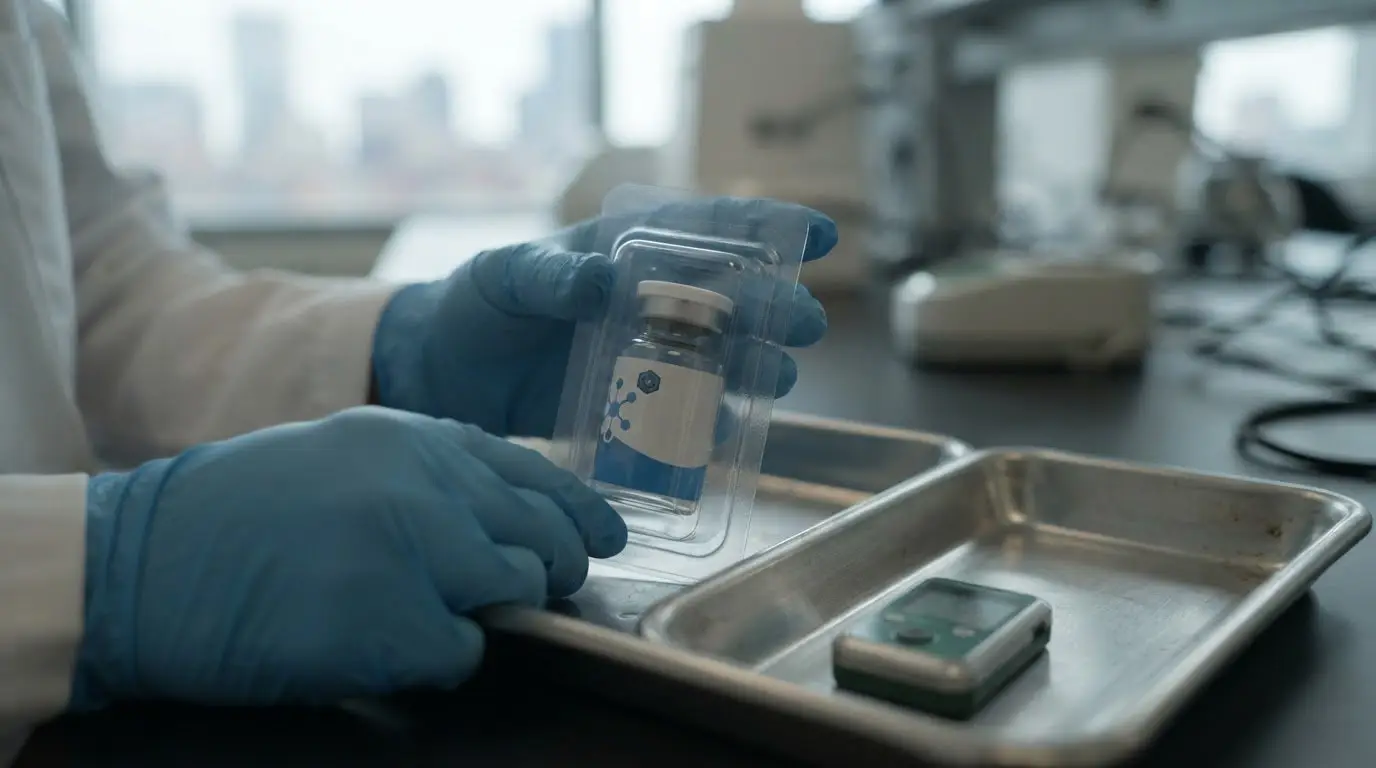
A lot number identifies a particular batch; delivery information identifies an order and its movement. When a shipment arrives, compare the lot number on the received item with the matching batch-specific COA documentation. A Certificate of Analysis (COA) is a batch record for reviewing the documentation associated with that lot. It doesn’t show the conditions of transit or independently confirm what happened during delivery.
For example, the KPV research peptide listing can help identify the product ordered, while the lot number and corresponding batch record connect the received material to its documentation. Keep order confirmation details and batch records together, but treat them as separate records. This makes discrepancies easier to describe and supports consistent laboratory recordkeeping.
All products are for Research Use Only (RUO) – intended solely for laboratory research and not for human or animal consumption, not a drug, medicine, or dietary supplement.
How to Assess Peptide Shipping and Batch Documentation in the USA
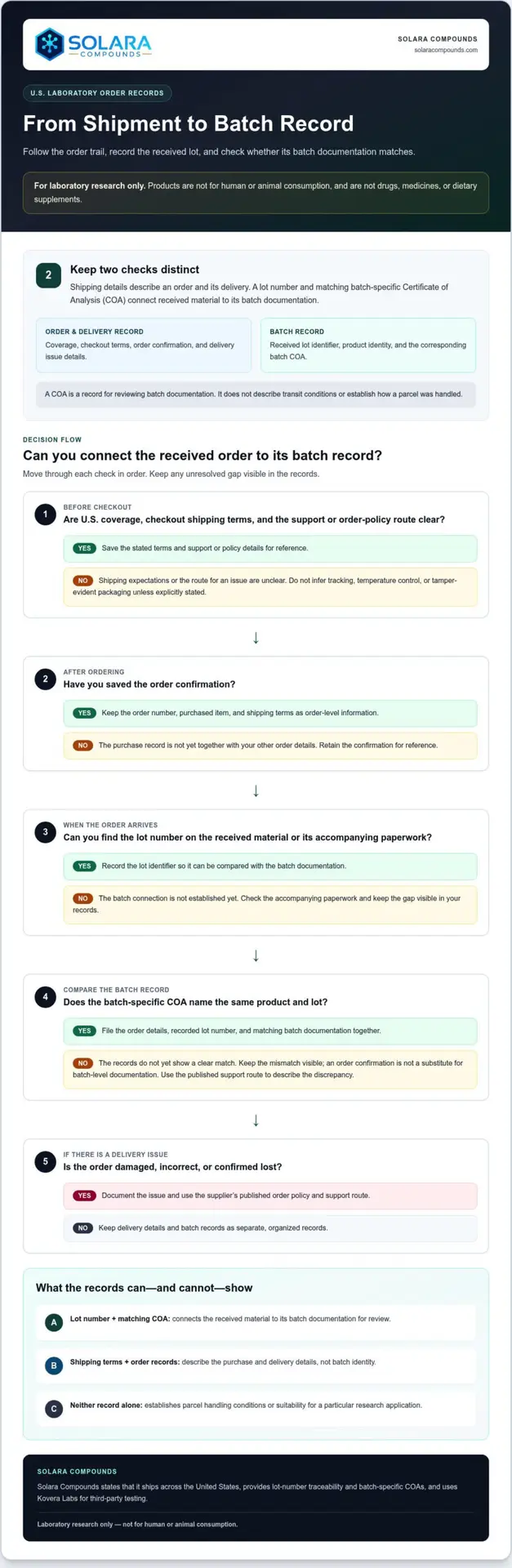
A consistent review makes secure peptide shipping USA easier to evaluate. Keep order records and batch paperwork distinct: an order confirmation records the purchase, while a lot number and its matching Certificate of Analysis (COA) relate to the specific batch. Review the shipping terms before checkout, then verify the received lot against its documentation.
Use a simple order-to-record sequence
Follow these steps and retain the records together for laboratory reference:
- Review the shipping terms. Note the stated U.S. coverage and the shipping options or offers shown at checkout.
- Place the order and save the confirmation. Keep the order number, purchased item, and shipping terms as order-level information.
- Record the received lot number. Find the lot identifier on the received material or its accompanying paperwork.
- Match the lot to the batch record. Compare that identifier with the lot reference on the applicable COA before filing the documentation.
If the item name matches but its lot reference does not, the records haven’t yet established a clear connection between the received batch and the COA. Keep the mismatch visible in your records rather than treating an order confirmation as a substitute for batch-level documentation.
Match the received lot to its COA
Solara Compounds assigns a unique lot number to each batch, providing a reference for connecting received material to its batch paperwork. Compare the lot number carefully, along with the product identity named in the record. A COA supports review of the documented batch information; it isn’t a delivery receipt or evidence of the conditions experienced in transit.
Third-party testing and batch paperwork are related but distinct evidence points. Solara Compounds uses Kovera Labs for independent testing, while the COA provides documentation associated with a specific batch. Researchers can review the company’s explanation of independent peptide testing to understand that testing information separately from shipping details.
Read shipping claims without overinterpreting them
Published U.S. coverage tells buyers where a supplier ships; it doesn’t promise a delivery date for an individual order. Solara Compounds states that it ships across the United States. Its stated offers include free shipping on orders over $200 and next-day free shipping for qualifying orders. The qualifying-order language matters: neither offer should be read as applying automatically to every purchase or as a guarantee about a particular parcel.
A COA documents batch-specific information for review; it cannot establish delivery timing or the conditions of transit. Shipping statements and batch records each answer a different question. Reading them separately helps lab buyers build a clearer record without treating either as proof of the other.
For laboratory research only. Buyers can apply the same order-to-lot review when browsing the research peptide catalog.
How to Compare Secure Peptide Shipping Claims from U.S. Suppliers
A useful comparison turns supplier statements into evidence you can record, rather than treating broad claims as interchangeable. For secure peptide shipping USA, compare shipping terms separately from batch records and order support. Use the same criteria for each supplier, and note whether a claim is published, batch-specific, or not stated in the materials you reviewed.
Shipping transparency versus speed
Read coverage and shipping terms as distinct entries. Coverage describes the stated service area; terms explain the options or conditions presented for an order. A speed-related statement belongs in its own comparison note. This keeps a delivery estimate or offer from being mistaken for evidence about a compound’s identity, testing, or handling.
| Coverage | Stated shipping terms | Lot traceability | COA access | Support |
|---|---|---|---|---|
| Published: Record the supplier’s stated service area. | Published: Note the terms shown for an order, including any stated qualifications. | Batch-specific: Record whether the received lot can be connected to a batch record. | Batch-specific: Note where the applicable documentation can be accessed. | Published: Record the stated route for order questions or issues. |
| Not stated in supplied materials: Use this label if the reviewed material gives no coverage detail. | Not stated in supplied materials: Use this label when terms or conditions aren’t described. | Not stated in supplied materials: Use this label if lot-level traceability isn’t explained. | Not stated in supplied materials: Use this label if batch-document access isn’t described. | Not stated in supplied materials: Use this label if no support route appears in the material. |
Apply labels only to what you can point to in the material reviewed. “Not stated” is a record of missing information in that material, not a conclusion about what a supplier does or doesn’t provide. Keep a copy or note the page where each claim appears, so the comparison remains useful if wording changes.
Documentation and support as comparison criteria
Evaluate documentation by its connection to a particular lot, and support by whether the published route explains how to raise an order question. These are separate criteria: batch records help organize material identification, while an order-support route addresses purchase issues. Neither is a promise of experimental outcomes. Keep any stated testing information in its own field rather than using delivery speed as a substitute.
A compact comparison can help lab buyers identify which supplier claims are clear enough to document and which details need careful interpretation. For related purchasing context, use the criteria alongside the rest of your laboratory sourcing records. Products are for laboratory research only. Browse research peptides as you apply the same evidence-focused approach to catalog information.
What to Do When a U.S. Research Peptide Shipment Arrives
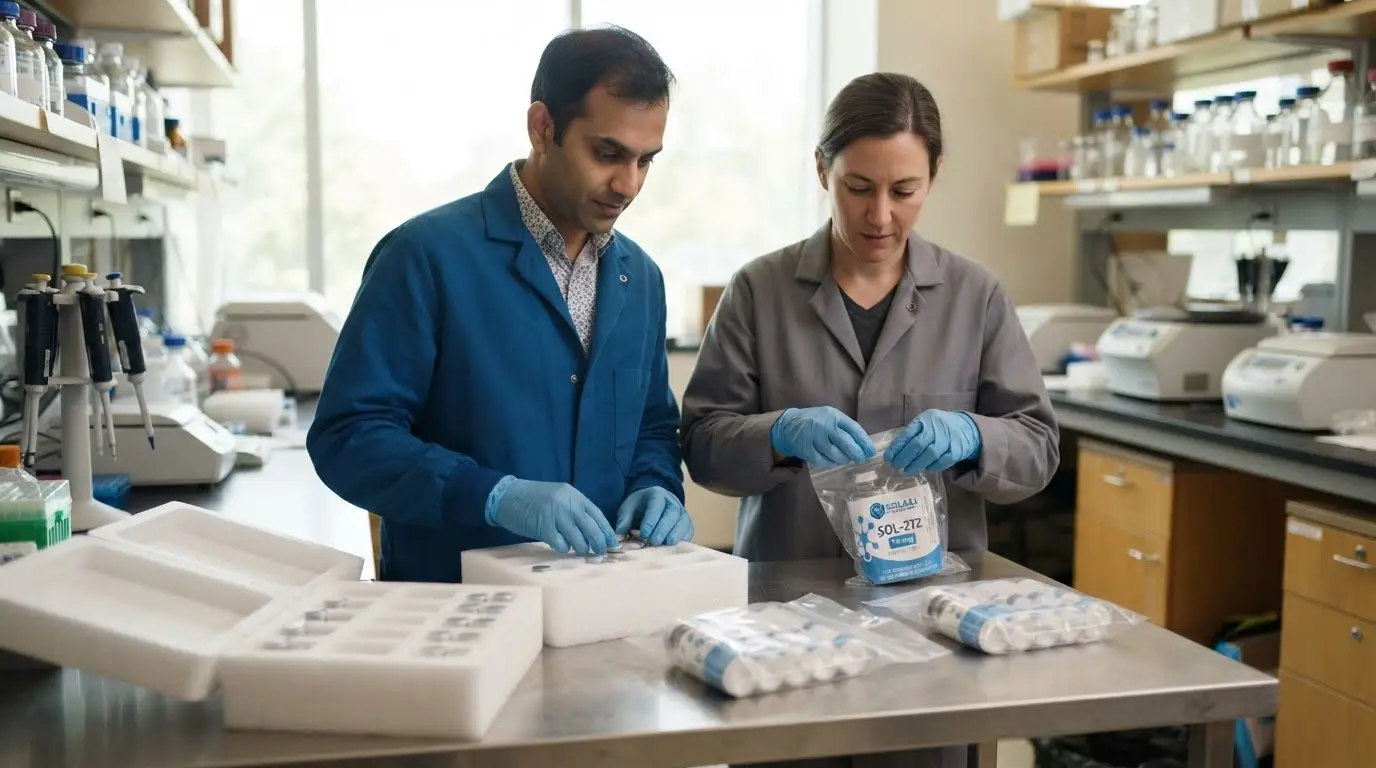
A brief receipt check helps keep order records accurate and makes discrepancies easier to describe. Compare what arrived with the order confirmation, note any differences, and retain the relevant records together. If an issue needs attention, follow the published support and returns process rather than assuming a shipping estimate resolves it.
Check order details and batch references
Start with the order confirmation. Compare its product and quantity details with the received order, then record the lot reference associated with the material. Keep the confirmation and lot information together, but treat them as separate records: one documents the purchase, while the other identifies the batch.
Locate the applicable batch paperwork through the COA resource and compare its lot reference with the information accompanying the received item. If a product detail or lot reference doesn’t align, write down the exact discrepancy. Clear notes help distinguish an order mismatch from a documentation question.
Document discrepancies and use the published support route
For a damaged item, incorrect order, or confirmed lost shipment, make a factual record of what happened. Include the order reference, delivery confirmation date, item details, and any available lot information. Photographs may help document visible damage or an incorrect item. For a missing order, record the information available about its delivery status. Keep copies of relevant order records and correspondence.
Solara Compounds’ policy applies to damaged goods, incorrect items, or confirmed lost shipments requested within 14 days of delivery confirmation. Eligible requests must be made within 14 days of delivery confirmation. This is a stated policy window, not a satisfaction guarantee. Review the refund and returns information for the applicable terms, and use the published support route for order questions.
Keep the outcome of any support exchange with the order record so the issue and its resolution remain easy to track. A consistent receipt process supports clear laboratory purchasing records without treating batch paperwork as evidence of transit conditions or experimental outcomes.
Products are for laboratory research only, not for human or animal consumption. For laboratory-use products, view the research peptide catalog.
Solara Compounds: U.S. Peptide Shipping with Batch-Level Documentation
The next step is to turn the checks in this guide into a routine your lab can repeat. A short purchasing record can help researchers keep order information organized and make it easier to review a shipment consistently, without relying on memory or scattered notes.
What Solara’s documentation provides
Make documentation review part of the lab’s purchasing workflow. For each order, assign a record location and note who is responsible for completing the review. Keep order-related files together according to your laboratory’s recordkeeping practices, and use consistent labels so colleagues can find the right materials without searching across inboxes or individual devices.
A simple internal checklist can prompt the reviewer to record the order reference, the date received, and whether the order details were checked. If something needs follow-up, include a brief factual note and retain the related correspondence with the same record. These steps support orderly purchasing records; they don’t determine whether a material is suitable for a particular research application.
Where U.S. laboratory buyers can take the next step
Solara Compounds provides a research catalog for laboratory buyers. Before selecting an item, researchers can define the project’s documentation needs and decide how purchasing records will be maintained. This preparation helps make the review process consistent across orders and gives the lab a clear place to capture relevant information as it becomes available.
All products are for Research Use Only (RUO) – intended solely for laboratory research and not for human or animal consumption, not a drug, medicine, or dietary supplement. For laboratory research only, View the current research catalog.
Build a Consistent Shipping Review into Your Lab Workflow
Turn order review into a repeatable part of laboratory purchasing. A simple recordkeeping routine can help researchers compare future orders consistently, spot missing information sooner, and keep purchasing records organized alongside research documentation. The goal isn’t to assume that a fast delivery or a single document answers every question. It’s to make each claim traceable to the evidence that supports it.
That practical standard is the heart of secure peptide shipping USA: clear order information, batch records that can be connected to received material, and a defined way to address order issues. Apply the same criteria each time, and supplier details become easier to assess without confusing shipping terms with research suitability.
Solara Compounds supports laboratory buyers with shipment and batch documentation for research-use products. All products are for laboratory research only, not for human or animal consumption, and are not medicine or supplements.
Ready to apply these checks to your next laboratory order? View the current research catalog and use your documentation criteria as you review the options.
Frequently Asked Questions
How can a laboratory buyer assess secure peptide shipping in the USA?
A practical assessment of secure peptide shipping USA starts with the supplier’s published coverage and the terms shown during checkout. Keep those order details separate from batch evidence. For example, record the order reference, then compare the received lot number with its batch-specific COA. These records can help identify the documented batch, but neither a lot number nor a COA establishes the parcel’s conditions during transit.
Does Solara Compounds ship research peptides across the United States?
Yes. Solara Compounds operates from Florida and ships across the United States. Its local relevance includes laboratory buyers in Boston, San Diego, San Francisco, New York, Houston, Miami, Los Angeles, Austin, Raleigh, Seattle, Chicago, Philadelphia, Baltimore, Dallas, Phoenix, Tampa, Atlanta, and Denver, without implying city-specific delivery times. Buyers can review terms during checkout. Products are intended solely for laboratory research, not for people or animals.
What documents should a laboratory buyer review after a peptide shipment arrives?
Compare the lot number associated with the received material against the lot reference on its batch-specific Certificate of Analysis (COA). The COA provides batch-level purity and identity information for review, not evidence of transit conditions or experimental outcomes. Keep it with the order confirmation and your laboratory purchasing records. If you need to locate available batch paperwork, use the Solara Compounds COA resource.
Can buyers review a batch-specific COA from Solara Compounds?
Yes. Solara Compounds makes batch-specific COAs available through its COA page. Use the lot information associated with the received material to locate the applicable batch record, then review the analytical details stated in that document. Save the COA with the corresponding order records so the paperwork remains easy to retrieve. It documents batch information; it doesn’t establish how the parcel was handled in transit or guarantee research outcomes.
What should a buyer do if a shipment is damaged, incorrect, or confirmed lost?
Document the issue and submit a request under the published policy. Solara Compounds accepts requests for damaged goods, incorrect items, or confirmed lost shipments when made within 14 days of delivery confirmation. Include the order reference and a concise description of the discrepancy. Review the refund and returns information, or contact [email protected] or 1 (877) 388-9178 for order assistance.
Does fast shipping prove that a peptide shipment was handled under specific conditions?
No. A fast-shipping statement describes timing, not the parcel’s handling conditions or the identity of its contents. Review shipping terms as order information, then assess the received lot and its batch documentation separately. For example, a delivery claim alone doesn’t replace a lot reference or COA. Avoid drawing conclusions about temperature, packaging, or other transit conditions unless those details are explicitly documented.
How does free shipping work for Solara Compounds orders?
Solara Compounds offers free shipping on orders over $200 and advertises next-day free shipping for qualifying orders. The next-day offer is limited to qualifying orders, so neither statement means every purchase receives the same shipping terms. Review the live checkout information for the specific order to see the terms presented there. These offers relate to laboratory-use orders only; products are not for human or animal consumption.