Research Articles
BPC-157 Mechanism of Action: A Comprehensive Technical Review for Researchers

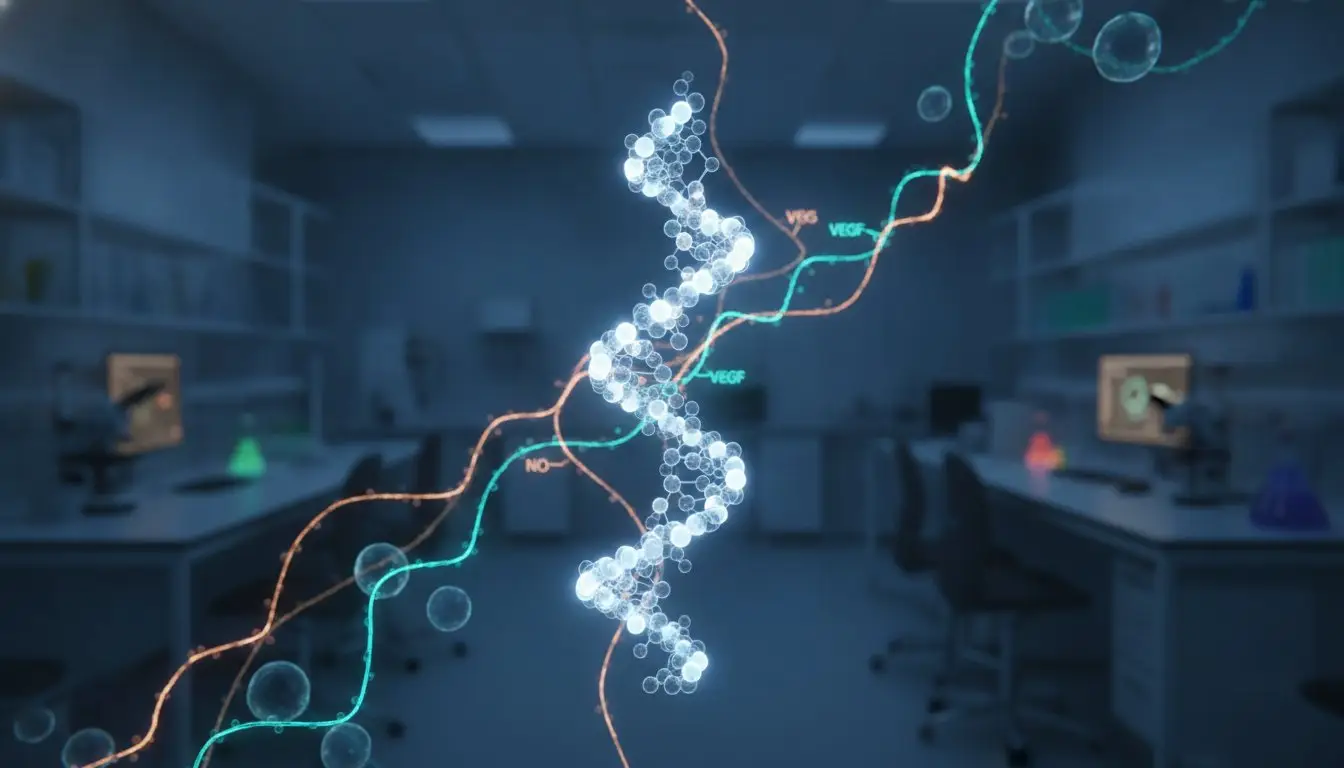
The most significant challenge in modern BPC-157 mechanism of action research isn’t a lack of data; it’s the difficulty of isolating primary molecular drivers from secondary downstream effects. While many laboratory studies highlight its regenerative potential, the underlying pathways often remain shrouded in technical ambiguity. You likely recognize the frustration of encountering conflicting reports on peptide stability and signaling priorities during institutional study. This technical review provides the clarity required for precise investigation. We’ll explore the specific interplay between the VEGFR2-Akt-eNOS signaling pathway and the nitric oxide system to define how this compound functions in controlled environments.
Solara Compounds understands that high-level research demands more than just a peptide; it requires documented consistency and verifiable purity. In the following sections, we break down the pentadecapeptide structure and provide a framework for verifying batch-specific COAs. This guide serves as a comprehensive resource for researchers looking to move beyond surface-level observations. Please remember that BPC-157 is intended for laboratory research only and is not for human or animal consumption.
Key Takeaways
- Analyze the 15-amino acid sequence. This specific structure provides the stability needed to resist enzymatic breakdown, or natural protein degradation, during laboratory study.
- Identify key molecular pathways. This BPC-157 mechanism of action research focuses on how the peptide influences signaling for new blood vessel formation.
- Evaluate nitric oxide modulation. Researchers study this system to understand cytoprotection, which is the process of protecting cells from harmful stimuli in various models.
- Review connective tissue modeling. The peptide is frequently used to investigate collagen synthesis and its interaction with growth hormone receptors.
- Verify batch-specific purity. Accessing HPLC analysis from Solara Compounds is essential for laboratory research only to ensure consistent and reproducible experimental results.
Molecular Architecture and Physicochemical Properties of BPC-157
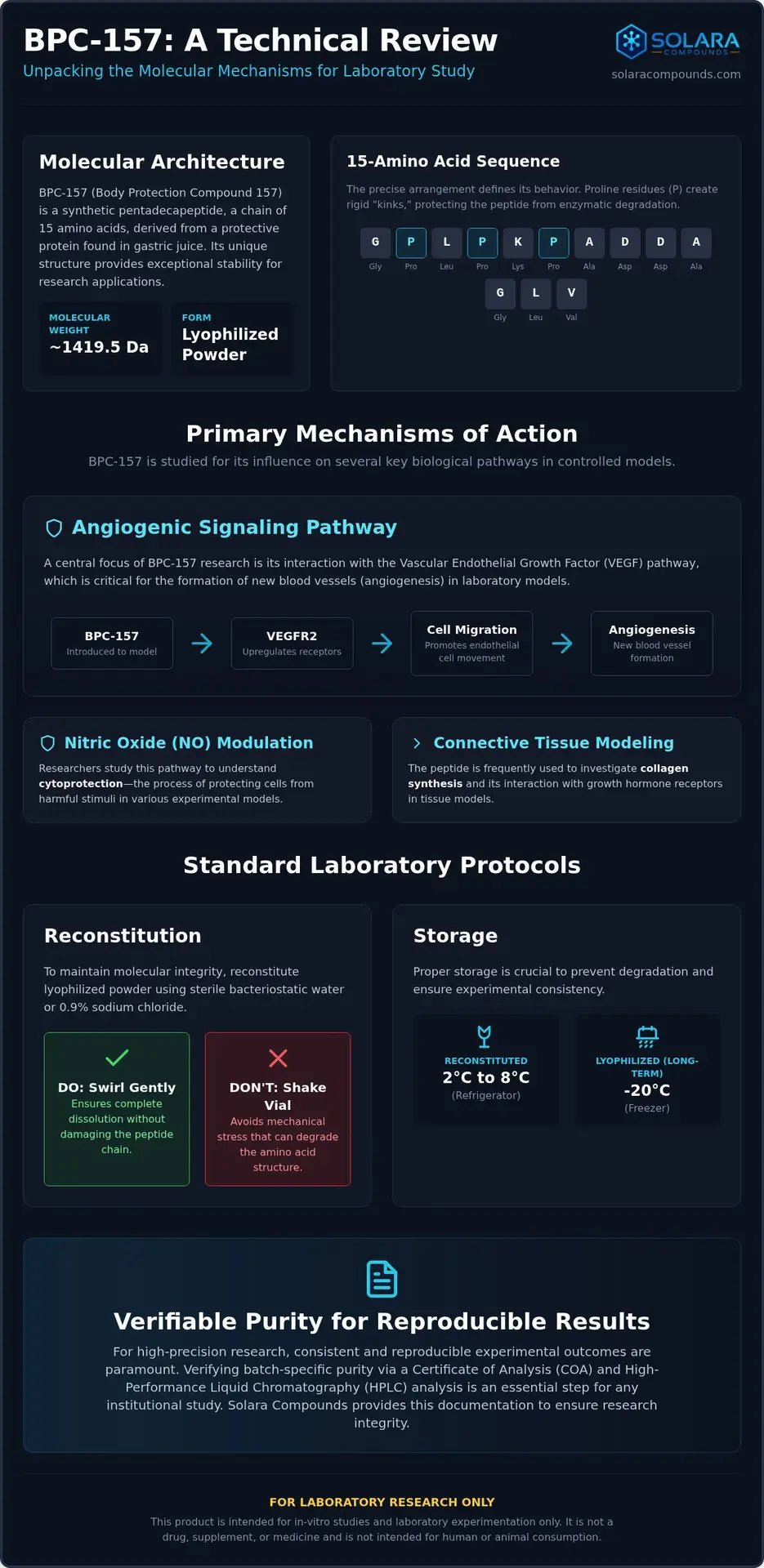
Understanding the structural foundation of BPC-157 (Body Protection Compound 157) is essential for any high-precision study. It’s a synthetic pentadecapeptide, which is a short chain of 15 amino acids, derived from a protective protein found in gastric juice. The specific sequence is Gly-Pro-Leu-Pro-Lys-Pro-Ala-Asp-Asp-Ala-Gly-Leu-Val. This precise arrangement defines its behavior in various experimental environments. With a molecular weight of approximately 1419.5 Da, it falls within a range that allows for efficient cellular interaction in preclinical models. Solara Compounds provides BPC-157 5mg as a lyophilized powder, or freeze-dried solid, to ensure this molecular integrity remains intact during transit and storage. For laboratory research only, this compound is typically studied for its high solubility in both aqueous and saline solutions.
Sequence Stability and Resistance to Gastric Juices
The primary reason BPC-157 mechanism of action research often focuses on its stability is the peptide’s unique proline-rich structure. Proline is an amino acid that creates a rigid “kink” in the peptide chain. This rigidity protects the chemical bonds from enzymatic degradation by peptidases, which are enzymes that normally break down proteins. While many endogenous peptides have a half-life measured in minutes, BPC-157 remains stable for several hours even in harsh acidic environments. This resistance makes it a versatile tool for researchers exploring both oral and parenteral administration models in laboratory settings. It’s this inherent durability that distinguishes it from other growth factors that degrade rapidly when exposed to biological fluids.
Reconstitution and Storage Protocols for Labs
Maintaining the structural integrity of BPC-157 requires strict adherence to laboratory protocols. Researchers should reconstitute the lyophilized powder using sterile bacteriostatic water or 0.9% sodium chloride saline. It’s vital to avoid mechanical stress during this process. Don’t shake the vial; instead, gently swirl the liquid to ensure the peptide dissolves completely. Once reconstituted, the solution is sensitive to temperature fluctuations and light. Store it between 2°C and 8°C to prevent degradation of the amino acid chain. For long-term stability before use, keep the lyophilized powder in a freezer at -20°C. Lab buyers can shop research peptides at solaracompounds.com to find batches with verified HPLC standards that ensure consistent results across multiple study cohorts.
Angiogenic Signaling and VEGF Modulation Pathways
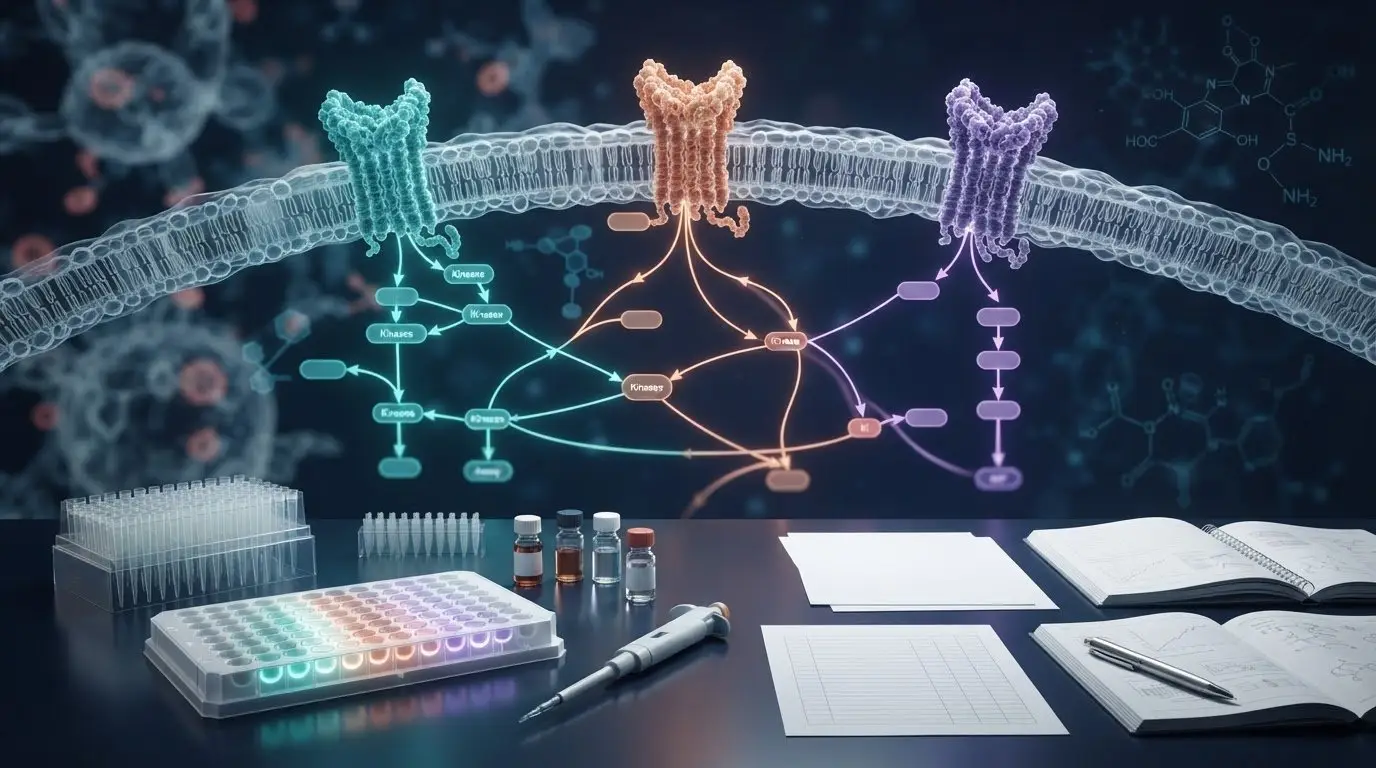
A central pillar of BPC-157 mechanism of action research is its influence on the Vascular Endothelial Growth Factor (VEGF) pathway. VEGF is a specific signal protein that triggers the creation of new blood vessels. In laboratory models, BPC-157 doesn’t just cause a temporary rise in signaling; it appears to upregulate the expression of VEGF receptors, specifically VEGFR2. This process is vital for endothelial cell migration, which is the movement of cells that line the blood vessels to form new vascular structures. Solara Compounds provides high-purity BPC-157 for laboratory use to ensure these signaling pathways can be evaluated without interference from manufacturing byproducts. Please remember that all materials are for laboratory research only and are not for human consumption.
This angiogenic response is often preceded by the activation of the Early Growth Response 1 (EGR-1) gene. EGR-1 acts as a master transcription factor, which is a protein that regulates how genetic information is turned into functional proteins. By modulating EGR-1, BPC-157 facilitates the formation of granulation tissue in specialized research models. Granulation tissue refers to the initial connective tissue and microscopic blood vessels that develop during the repair phase of a study. This complex interaction is why many researchers investigate the BPC-157 peptide research perspectives within controlled vascular repair simulations.
The Role of FAK and Paxillin in Cellular Migration
For cells to develop into new vessels, they must physically move and change their internal structure. BPC-157 research indicates the activation of the focal adhesion kinase (FAK) and paxillin pathway. FAK is an enzyme that controls how a cell sticks to its surroundings and moves through tissue. This activation leads to cytoskeletal reorganization, allowing endothelial cells to change their shape and migrate toward the area of interest in a study. These mechanisms are essential when investigating vascular repair in institutional laboratory settings, requiring consistent materials to ensure reproducible results.
Synergy with Basic Fibroblast Growth Factor (bFGF)
The peptide’s role in neovascularization is often enhanced by its synergy with Basic Fibroblast Growth Factor (bFGF). While VEGF begins the process, bFGF helps sustain and stabilize the growth of these new vessels. In surgical trauma models, the co-activation of these pathways suggests a more comprehensive response than when studying either factor alone. Within the context of BPC-157 research, neovascularization is defined as the formation of functional microvascular networks within a specific study site. If you are preparing for high-precision signaling trials, you can review the batch COA for our current inventory to verify your study parameters.
Nitric Oxide (NO) Pathway and Cytoprotective Mechanisms
The “Body Protection Compound” designation is more than a name; it describes the peptide’s ability to maintain mucosal integrity, which is the protective lining of internal organs. A primary focus of BPC-157 mechanism of action research involves its modulation of the Nitric Oxide (NO) system. NO acts as a gaseous signaling molecule that regulates blood flow and cellular defense. The peptide interacts with NO-synthase (NOS), the enzyme group responsible for generating nitric oxide. This relationship is thoroughly examined in a narrative review of BPC-157, which documents how the compound protects tissue against toxic insults in various laboratory models. This cytoprotective effect is further strengthened by synergy with the prostaglandin system, where fatty acid compounds work alongside NO to bolster cellular defenses.
Solara Compounds provides high-purity BPC-157 5mg to ensure researchers have the consistency needed for these delicate experiments. Because these pathways are highly sensitive to contaminants, lab buyers should prioritize batch-specific verification. Please keep in mind that all products are for laboratory research only and are not for human consumption. Using high-grade materials allows for a clearer understanding of how these chemical triggers function without interference from manufacturing byproducts.
Endothelial Nitric Oxide Synthase (eNOS) Activation
The peptide specifically targets eNOS, the enzyme variant located in the blood vessel lining. When eNOS is activated, it induces vasodilation, or the widening of blood vessels, which improves blood flow to the site of study. Researchers often use L-NAME, a chemical that blocks NO production, to test this pathway. Studies indicate that BPC-157 can bypass or counteract these inhibitors, restoring the protective NO signaling. This mechanism is a key area of study in research regarding NSAID-induced gastric lesions, where researchers observe how the peptide preserves the stomach lining against chemical irritants.
Modulation of Inflammatory Cytokines
Investigative models also highlight the peptide’s role in regulating cytokines, which are small proteins that control cell signaling. BPC-157 has been shown to downregulate pro-inflammatory markers like TNF-alpha and IL-6. These are proteins that typically drive the inflammatory process. By shifting the balance toward anti-inflammatory signaling, the peptide provides a framework for studying the systemic inflammatory response in controlled environments. This precision is why many institutions shop research peptides at solaracompounds.com to secure materials with third-party purity verification. Accurate data depends on the integrity of the compound used in the model.
Connective Tissue Modeling and Collagen Synthesis
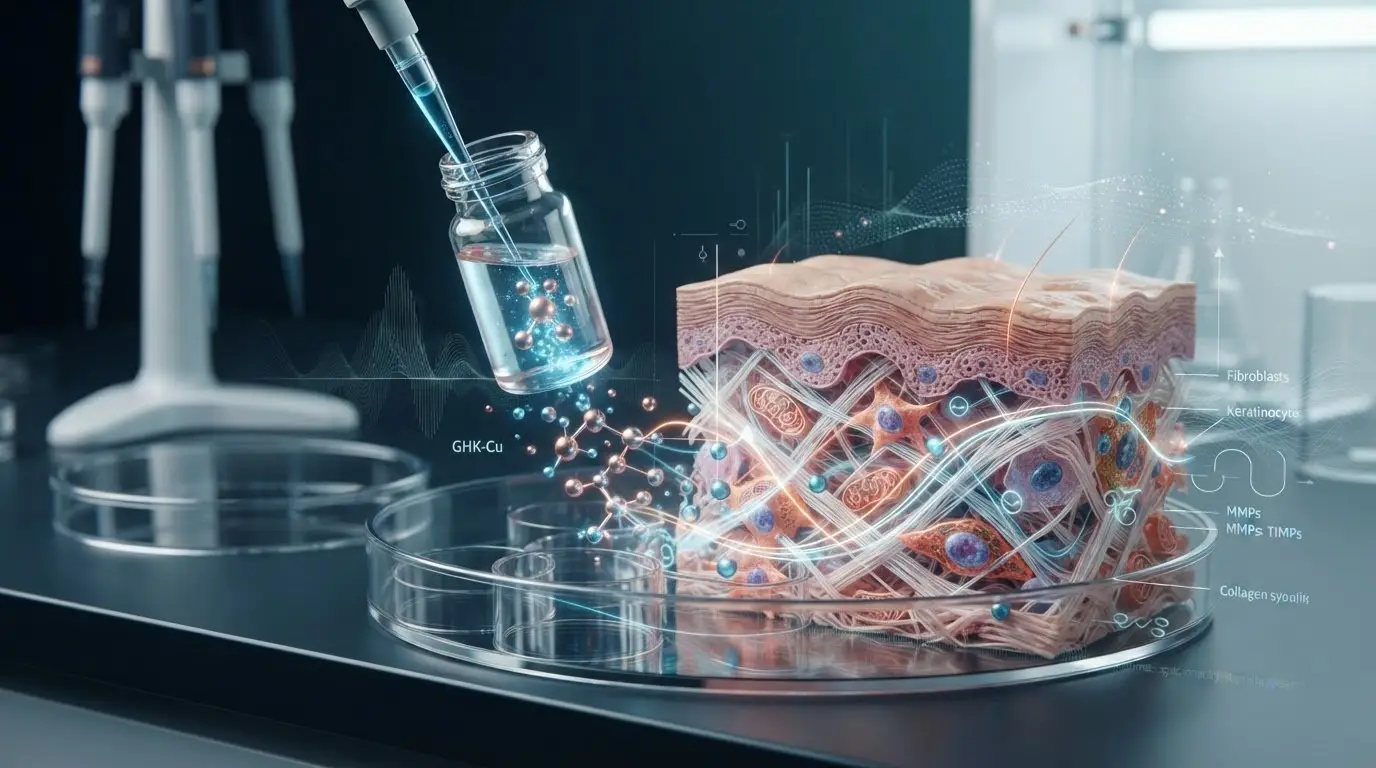
The mechanical strength of structural tissues is a primary endpoint in many musculoskeletal research models. A core component of BPC-157 mechanism of action research involves investigating how the peptide induces collagen synthesis in fibroblasts, which are the cells responsible for producing the extracellular matrix. It isn’t simply about the volume of collagen produced; it’s about the structural transition. In laboratory settings, the peptide appears to accelerate the conversion of Type III collagen to Type I collagen. Type III is the initial, less organized tissue formed after a trauma, while Type I is the mature, high-tensile strength version required for structural integrity. This shift is critical for researchers studying the long-term durability of repaired tissues in preclinical trials.
Solara Compounds offers BPC-157 5mg for institutional use, providing a consistent material for these complex modeling studies. Researchers have also observed that the peptide influences the expression of Growth Hormone Receptors on fibroblasts. This interaction doesn’t necessarily increase systemic growth hormone levels; instead, it makes the local cells more sensitive to existing growth signals. Please remember that all products, including BPC-157 and TB-500, are for laboratory research only and are not for human or animal consumption. If you need to verify the specifications of your current lot, you can Review the batch COA to ensure your study parameters are met.
Tendon and Ligament Fibroblast Proliferation
BPC-157 exerts a direct stimulatory effect on tendon-derived fibroblasts through the activation of the MAPK signaling pathway. MAPK, or mitogen-activated protein kinase, is a chain of proteins in the cell that communicates a signal from a receptor on the surface to the DNA in the nucleus. This pathway is a major driver of cell growth and division. When compared to other peptides studied for tissue repair, such as TB-500, BPC-157 shows a more pronounced effect on the survival and proliferation of the fibroblasts themselves. While TB-500 primarily influences cell migration through actin sequestration, BPC-157 is often investigated for its ability to increase the actual cell population within the study area.
Bone Morphogenetic Protein (BMP) Interaction
The peptide’s influence extends into hard tissue modeling through its interaction with Bone Morphogenetic Proteins (BMPs). BMPs are growth factors that tell stem cells to differentiate, or transform, into bone-forming cells. Laboratory evidence suggests a synergy between BPC-157 and BMP-2, which may accelerate the repair of bone defects. Researchers focus on both periosteal formation, which occurs on the outer surface of the bone, and endosteal formation, which happens in the inner lining. This dual-action approach allows for a more comprehensive investigation of osteogenic, or bone-building, pathways in controlled research environments.
Sourcing and Verifying BPC-157 for High-Precision Research
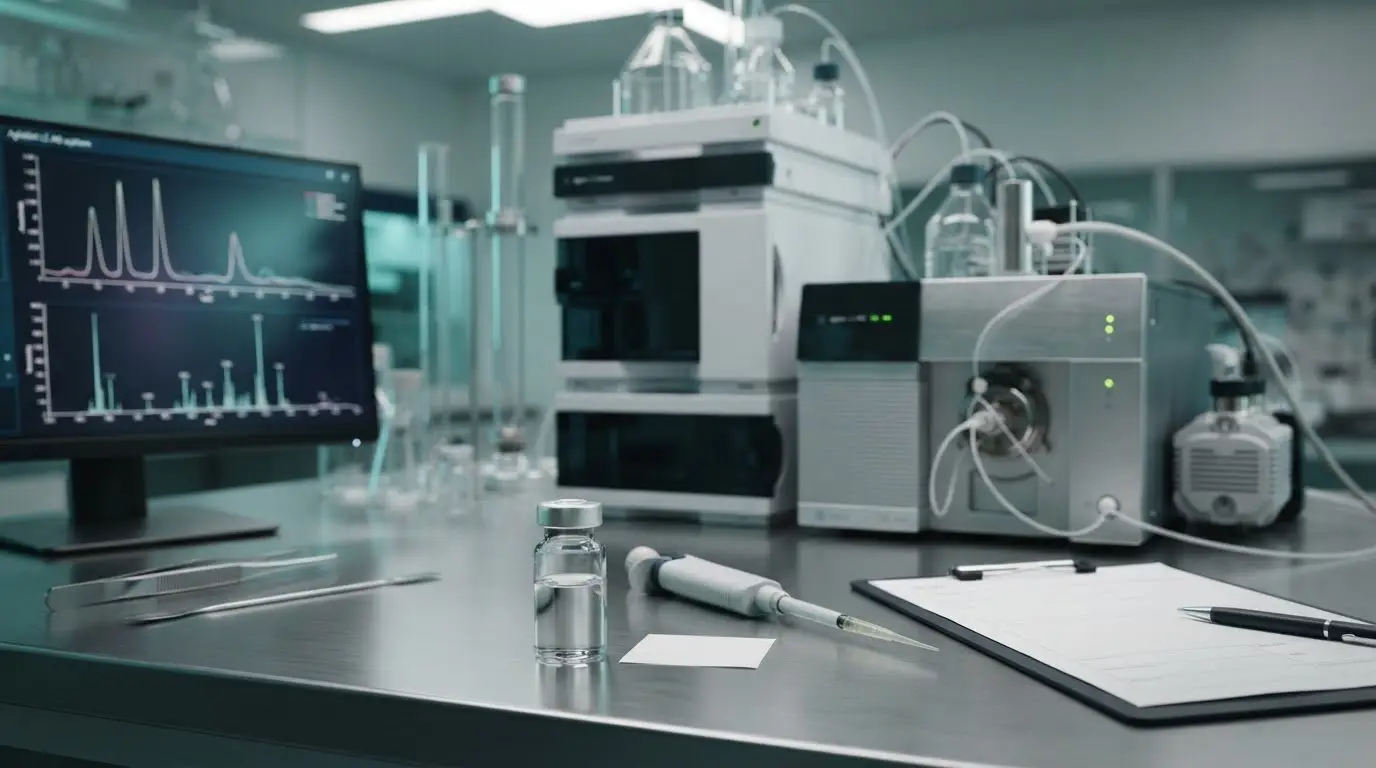
High-precision data depends on chemical consistency. In BPC-157 mechanism of action research, even a small variance in purity can introduce significant noise into signaling assays or cellular models. HPLC analysis, or High-Performance Liquid Chromatography, is the laboratory standard for detecting these impurities. It works by passing the compound through a pressurized column to separate the peptide from manufacturing byproducts. A reliable HPLC report shows a single, sharp peak that indicates a high concentration of the target molecule. Mass Spectrometry (MS) adds another layer of verification by measuring the molecular mass. It confirms that the sequence matches the 1419.5 Da target. Without these documents, a researcher can’t be certain they’re studying the intended pentadecapeptide.
Solara Compounds understands that institutional studies require more than just a product; they require a paper trail. Batch-specific Certificates of Analysis (COAs) are non-negotiable for labs because they link the specific vial in your facility to a verified test date and purity score. This documentation ensures that the molecular pathways you observe, such as the VEGF and nitric oxide signaling discussed earlier, are a result of the peptide itself rather than unknown contaminants. Please remember that all materials are for laboratory research only and are not for human or animal consumption.
Identifying Research-Grade vs. Inferior Compounds
Quality begins with the physical state of the compound. Lyophilization, or freeze-dried stabilization, is the only acceptable method for the long-term storage of BPC-157 5mg. A high-quality vial should contain a uniform, white “cake” or powder. If the material appears discolored or has collapsed into a sticky residue, it suggests moisture ingress or thermal degradation. These physical red flags often correlate with a lack of supplier transparency. Researchers should avoid vendors who provide generic or outdated paperwork. Accurate study results require peptides that haven’t been compromised by poor handling or improper storage during the procurement process.
Solara Compounds: A Standard for Laboratory Procurement
Solara Compounds maintains a rigorous standard by providing peptides with 99%+ purity. Every domestic shipment is backed by third-party testing to ensure adherence to 2026 HPLC standards. This level of documentation is essential for researchers who must meet institutional compliance and ensure experimental repeatability. We prioritize the integrity of the final result by utilizing secure domestic shipping to prevent environmental stress during transit. Our commitment to precision helps lab buyers navigate technical challenges with ease. If you’re preparing for a new signaling study, you can Shop research peptides at solaracompounds.com. For questions regarding specific lot tracking, you can reach our support team at 1 (877) 388-9178.
Advancing Precision in Peptide Research
BPC-157 represents a complex intersection of molecular stability and multi-pathway signaling. This review has detailed how the pentadecapeptide structure resists enzymatic breakdown while modulating critical VEGF and nitric oxide pathways. For institutional investigators, BPC-157 mechanism of action research necessitates a shift from broad observation toward precise molecular quantification. Understanding these primary signaling drivers allows for more accurate modeling of connective tissue synthesis and cytoprotective responses in controlled environments. Consistency in these models is only possible when the underlying material meets the highest analytical standards.
Solara Compounds remains a dedicated partner in this scientific pursuit. We provide high-purity BPC-157 5mg backed by batch-specific COAs and third-party HPLC/MS verification. As a US-based laboratory supplier, we ensure the chemical integrity required for repeatable and defensible results. It’s essential to remember that all products are for laboratory research only and are not for human consumption. We look forward to supporting your next breakthrough in the lab. Secure High-Purity BPC-157 for Laboratory Research today and ensure your study parameters remain uncompromised.
Frequently Asked Questions
What is the primary mechanism of action for BPC-157 in research?
The primary mechanism identified in BPC-157 mechanism of action research is the activation of the VEGFR2-Akt-eNOS signaling pathway. This sequence triggers angiogenesis, which is the formation of new blood vessels from existing ones. In laboratory models, this process facilitates the development of granulation tissue and supports the repair of structural defects. These effects are studied exclusively in controlled environments to understand how the peptide influences cellular signaling without the interference of biological variables.
How does BPC-157 interact with the VEGF pathway?
BPC-157 interacts with the VEGF pathway by upregulating the expression of Vascular Endothelial Growth Factor receptors, particularly VEGFR2. This upregulation increases the sensitivity of endothelial cells to growth signals, promoting their migration and the formation of tubular structures. Researchers study this interaction to map the timeline of neovascularization in trauma models. It’s a critical component of understanding how the peptide influences the vascular network’s ability to reorganize and support tissue integrity during scientific investigation.
Can BPC-157 be reconstituted with bacteriostatic water for laboratory use?
Yes, researchers commonly use bacteriostatic water to reconstitute lyophilized BPC-157 for laboratory use. Bacteriostatic water contains 0.9% benzyl alcohol, which acts as a preservative to inhibit the growth of bacteria within the vial. This is particularly useful for studies requiring multiple samplings from a single container over several days. For high-precision BPC-157 mechanism of action research, ensuring the solvent’s sterility is as important as the purity of the peptide itself to prevent experimental contamination.
What is the difference between BPC-157 and TB-500 in healing research?
While both are studied for tissue repair, BPC-157 primarily influences angiogenesis and fibroblast proliferation, whereas TB-500 focuses on actin sequestration and cell migration. BPC-157 works through the VEGF and nitric oxide pathways to build new vascular networks. TB-500, a synthetic version of Thymosin Beta-4, helps cells move more efficiently to the site of study. Many laboratory protocols investigate these two compounds together to observe potential synergistic effects in connective tissue modeling and repair.
How do I verify the purity of a BPC-157 batch for my lab?
You can verify batch purity by reviewing a batch-specific Certificate of Analysis (COA). A valid COA includes HPLC and Mass Spectrometry data. At Solara Compounds, every batch of BPC-157 5mg undergoes third-party testing to ensure it meets 99%+ purity standards. Lab buyers should always match the lot number on the vial to the documentation provided to guarantee experimental reproducibility. You can Review the batch COA to ensure institutional compliance in every study.
Is BPC-157 stable at room temperature during shipping?
Lyophilized BPC-157 is generally stable at room temperature for short durations during domestic shipping. The freeze-drying process removes moisture, which significantly slows down natural peptide degradation. However, once the package arrives at the laboratory, the vials should be stored at 2°C to 8°C for immediate use or -20°C for long-term storage. Solara Compounds utilizes secure shipping protocols to ensure the structural integrity of the amino acid chain remains intact during the transit process.
What are the common solvents used for BPC-157 reconstitution in scientific study?
The most common solvents used in scientific study are sterile bacteriostatic water and 0.9% sodium chloride saline. Saline is often preferred when the research model requires an isotonic environment to maintain cellular osmotic pressure. Bacteriostatic water is selected when the study duration requires the solution to remain stable over several days. Researchers must ensure the solvent is added gently to the lyophilized powder to avoid mechanical stress, which can break the delicate peptide bonds.
Does BPC-157 have an effect on the central nervous system in research models?
Research models have explored the influence of BPC-157 on the central nervous system, specifically regarding the gut-brain axis. Studies investigate its interaction with neurotransmitter systems, including dopamine and serotonin, in various neurological simulations. This research helps define how the peptide’s cytoprotective properties extend to neural tissues in laboratory settings. Please remember that these findings are for laboratory research only; BPC-157 is not a medicine and is not for human or animal consumption.