
Tag Archives: HPLC

Sourcing Reliable Research Peptide Vendors: A 2026 Laboratory Guide

In 2026, a static PDF is no longer sufficient proof of chemical integrity. Identifying truly reliable research peptide vendors requires a deep dive...
Batch-Specific COA Peptides: A Researcher’s Guide to Quality Verification
A generic Certificate of Analysis is often little more than a placeholder that fails to reflect the actual chemical profile of the material in your...

Mass Spectrometry Peptide Testing: Research Guide
A 99% purity rating on an HPLC report is scientifically meaningless if the molecule in the vial isn't the one you actually ordered. While purity...

Checklist: Verifying Third-Party Testing for Bulk Peptides
Can a researcher truly rely on a digital document when the integrity of a multi-month study is at stake? In the 2026 research market, the prevalence...

Bulk Tirzepatide Research Procurement Guide (2026)
What if the most critical variable in your metabolic signaling study isn't the hypothesis itself, but a hidden inconsistency within your bulk...
Peptide Sequence Verification: Batch Integrity Guide
A 99% purity rating is functionally useless if the amino acid sequence is incorrect. For lab buyers, rigorous peptide sequence verification is the...

TB-500 5mg Research Compound: Structural Analysis and Laboratory Utility
Achieving institutional-grade repeatability depends entirely on the precision of your initial material analysis. You've likely encountered the...
BPC-157 and TB-500: Purity and Procurement Guide (2026)
In the opening months of 2026, BPC-157 reached a 36.6% out-of-stock rate across the domestic research market. This represented the highest scarcity...
High Concentration GHK-Cu Research: Molecular Integrity and Laboratory Applications
GHK-Cu has been shown to modulate the expression of approximately 31% of human genes, a figure that represents over 4,000 individual genetic...
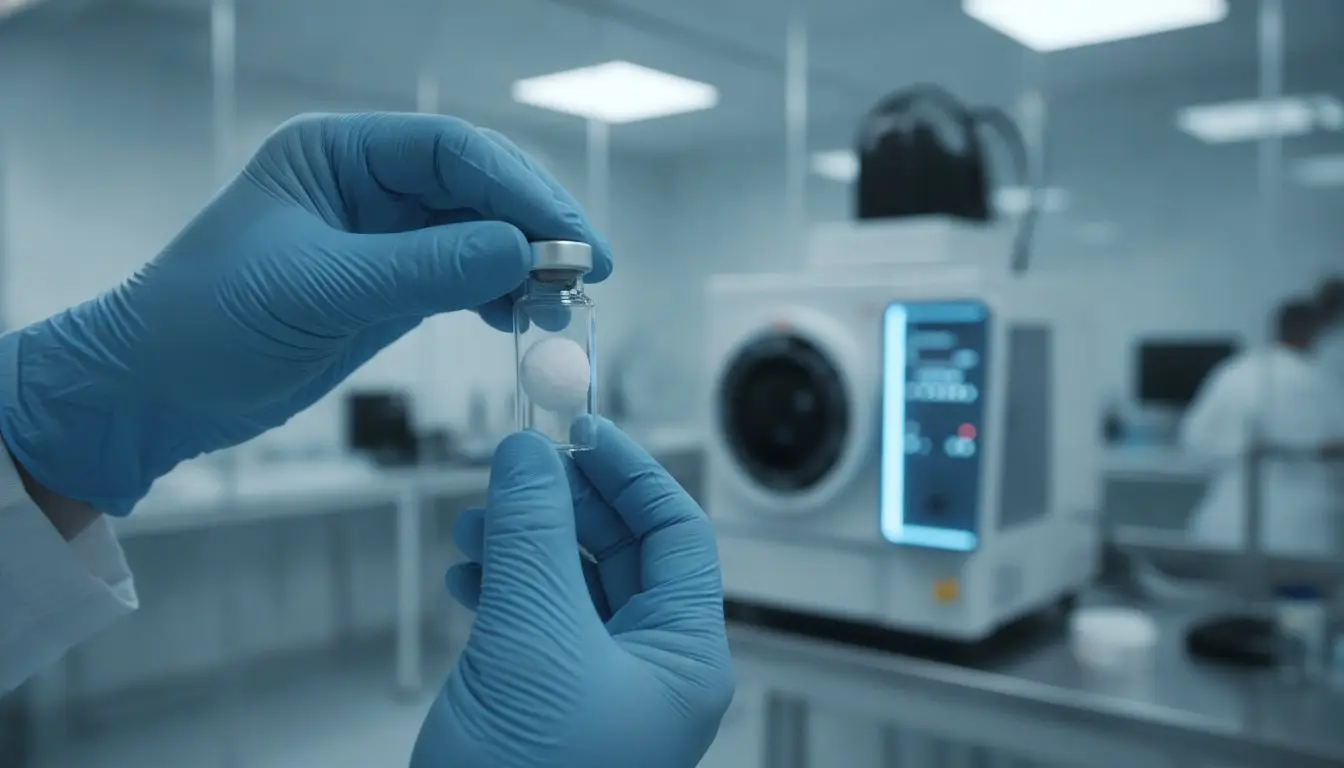
GHK-Cu 50mg for Research: Molecular Properties and Laboratory Applications
Human plasma concentrations of the GHK-Cu tripeptide decline by more than 60 percent between the ages of 20 and 60. This biological shift has...