Research Articles
Research Grade Tirzepatide 10mg: An Investigative Profile for Laboratory Use


Can your current experimental results withstand the scrutiny of a batch-to-batch consistency audit? Most researchers recognize that even minor variances in peptide synthesis can introduce unwanted variables into a laboratory environment. Uncertainty regarding HPLC/MS reports or the risk of impure compounds can stall progress and compromise data integrity. This is especially true when working with complex molecules like research grade tirzepatide 10mg; here, precision is the only path to repeatable results.
At Solara Compounds, we believe your work requires more than just a vial. It requires a transparent record of quality. This technical profile serves as an investigative guide for lab buyers who prioritize high-purity, lyophilized compounds. We will detail the molecular properties of SOL-2TZ and explain how to verify batch documentation at solaracompounds.com. Please remember that these products are for laboratory research only. They are not for human or animal consumption. By focusing on rigorous quality standards and a reliable US-based supply chain, you can ensure your laboratory’s focus remains on the data.
Key Takeaways
- Examine the molecular structure of SOL-2TZ and its role as a dual agonist in metabolic research pathways.
- Verify experimental integrity by selecting research grade tirzepatide 10mg with third-party HPLC documentation confirming purity levels above 98%.
- Implement standardized laboratory handling and storage protocols at -20°C to preserve the structural stability of lyophilized peptide vials.
- Access verifiable batch data through Solara Compounds to ensure lot-number traceability for all laboratory research only applications at solaracompounds.com.
Introduction to Research Grade Tirzepatide 10mg
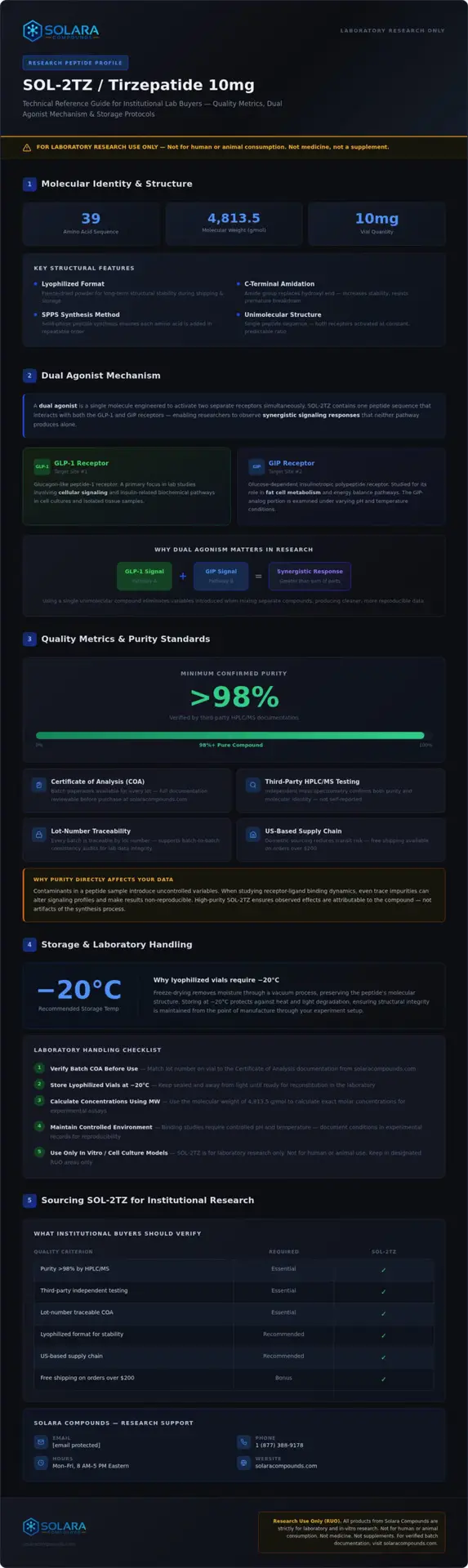
Research grade tirzepatide 10mg is a synthetic peptide characterized by its complex 39-amino acid sequence. It’s engineered for precision in laboratory environments. This compound is strictly for Research Use Only (RUO). It must never be used for human or animal consumption. Solara Compounds provides this material as SOL-2TZ, catering to institutional buyers who require documented purity and structural consistency. The peptide is provided in a lyophilized (freeze-dried) powder format. This specific state is vital for long-term stability. By removing moisture through a vacuum process, the peptide’s molecular structure is preserved against heat and light during shipping. Researchers can find comprehensive batch data at solaracompounds.com to verify these standards before beginning their work.
Chemical Composition and Molecular Profile
The architecture of this molecule is achieved through solid-phase peptide synthesis (SPPS). This process ensures that each amino acid is added in a specific, repeatable order. The resulting sequence has a molecular weight of roughly 4813.5 g/mol. This figure is essential for lab buyers who need to calculate exact concentrations for their experimental assays. A key structural element is the C-terminal amidation. Amidation is a chemical modification where an amide group replaces the hydroxyl group at the end of the peptide chain. This change is frequently used in peptide engineering to increase stability and prevent the molecule from breaking down prematurely during laboratory tests. It’s this level of chemical detail that allows for reliable data in high-stakes research environments.
Experimental Applications in Metabolic Research
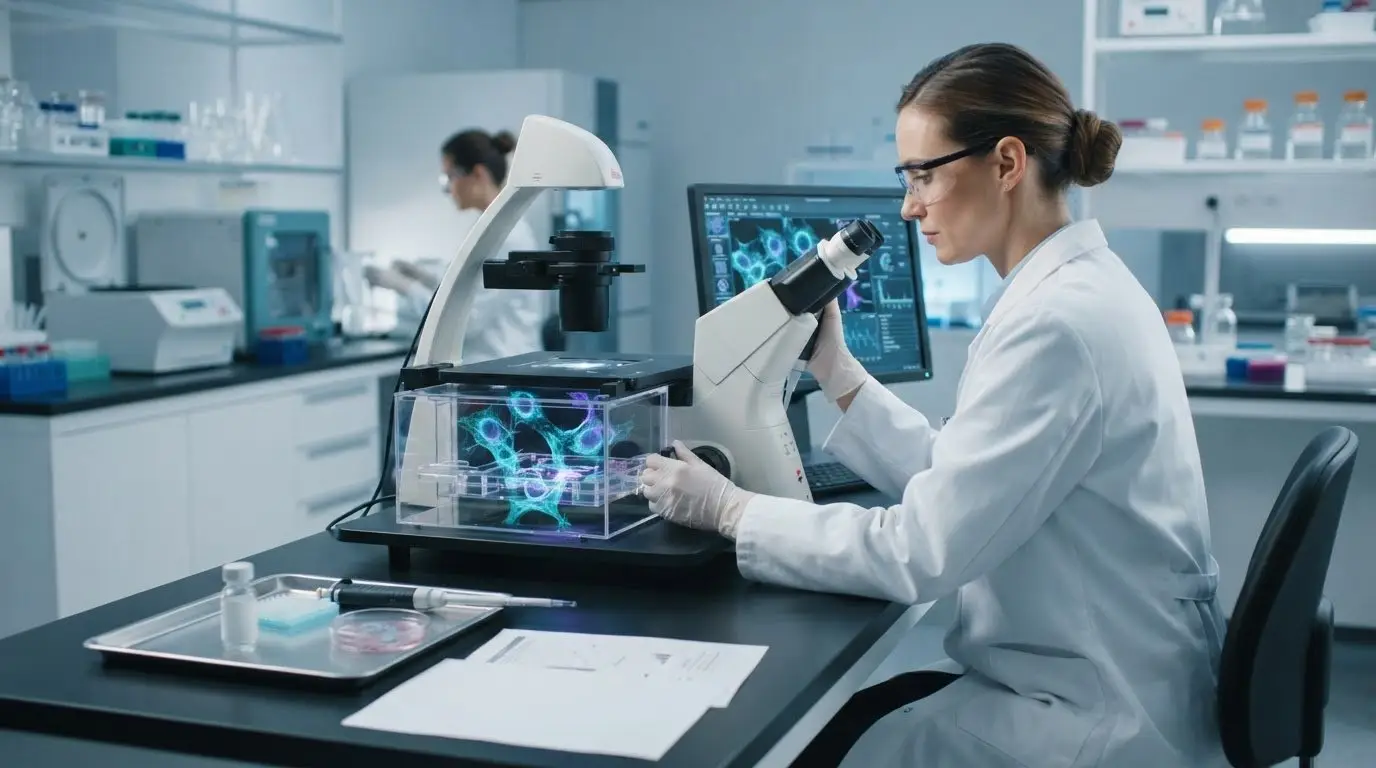
Researchers utilize SOL-2TZ to investigate complex biochemical pathways. A pathway is essentially a series of chemical reactions within a cell that leads to a specific biological change. It’s a common tool in in-vitro studies focusing on receptor-ligand interactions. A ligand is simply a molecule that binds to a specific receptor to trigger a signal. In metabolic research, this compound helps scientists understand how dual-agonist peptides communicate with different cellular pathways simultaneously. These laboratory studies often examine signaling profiles and molecular cascades within cell cultures or isolated tissue samples. By maintaining a controlled environment, researchers can isolate the effects of the peptide on specific receptors, such as the GLP-1 (glucagon-like peptide-1) pathway. This focus on mechanism over outcome is what defines institutional laboratory use. High-purity compounds ensure that experimental results aren’t skewed by contaminants, allowing for clear, reproducible findings in every trial.
Understanding the Dual Agonist Mechanism in Research Models
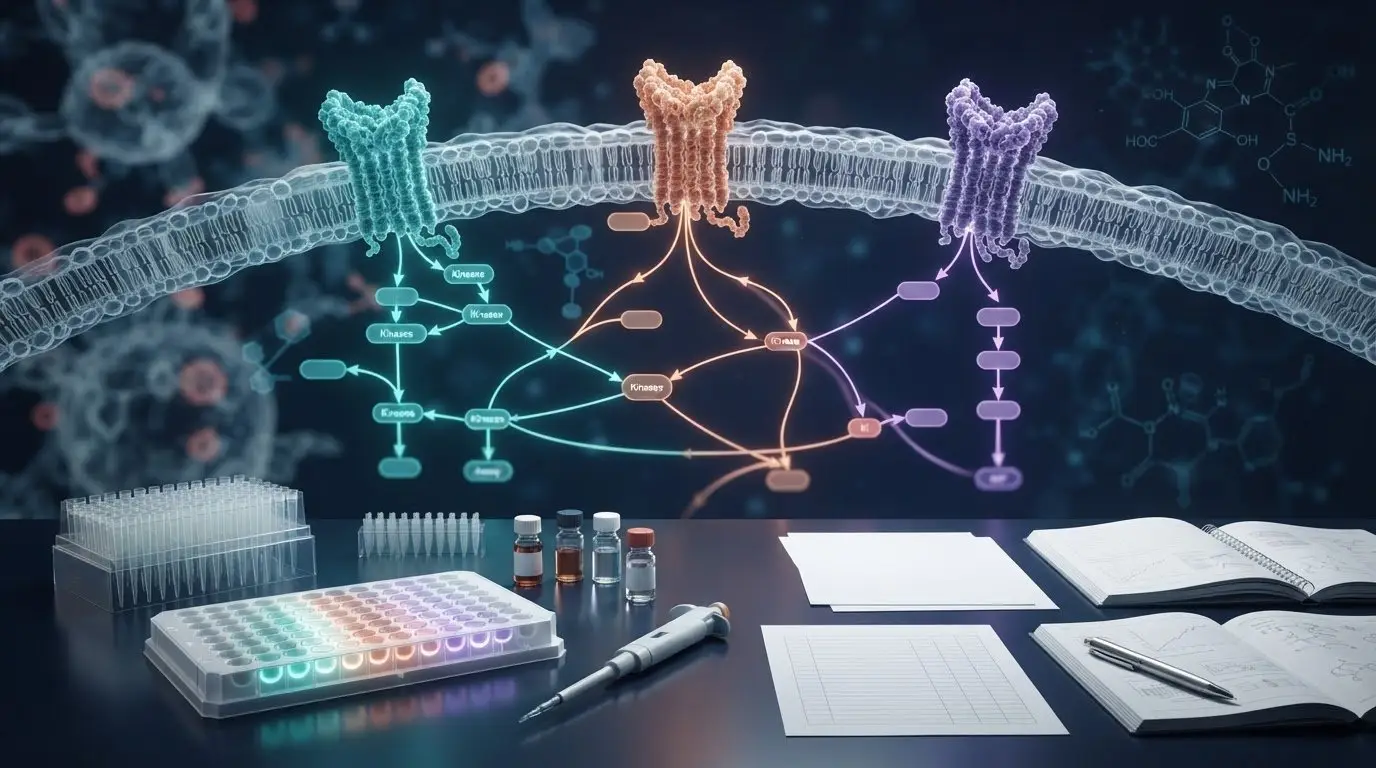
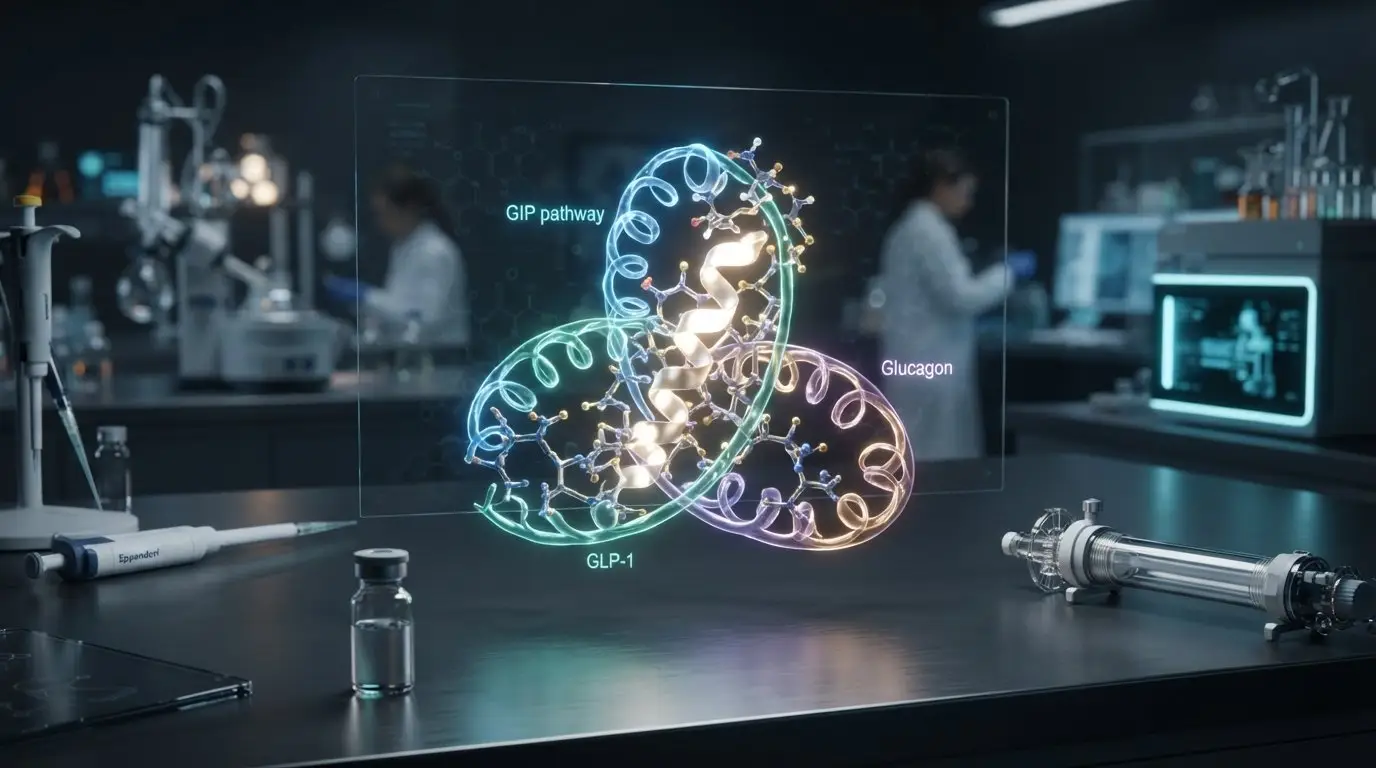
A dual agonist is a single molecule engineered to activate two separate receptors at the same time. In molecular biology, this represents a shift from traditional models that target only one pathway. Research grade tirzepatide 10mg operates as a unimolecular agonist; it contains a single peptide sequence that interacts with both the GLP-1 and GIP receptors. Researchers use this compound to study how these two pathways overlap and influence each other in controlled laboratory settings. These products are for laboratory research only and are not for human or animal consumption.
The first target is the GLP-1 (Glucagon-like peptide-1) receptor. This receptor is a common focus in studies involving cellular signaling and insulin-related pathways. The second target is the GIP (Glucose-dependent insulinotropic polypeptide) receptor. This pathway is frequently studied for its role in fat cell metabolism and energy balance. By using a single compound to trigger both, researchers can observe synergistic signaling responses. This term describes a situation where the combined activation of two receptors produces a result that is more complex than the sum of their individual parts. It’s a critical area of study for understanding multi-pathway biochemical modeling.
Receptor Affinity and Binding Dynamics
Receptor affinity describes the “grip” or strength of the bond between a peptide and its target receptor. The sequence of research grade tirzepatide 10mg is specifically modified to balance this affinity between both target sites. Because it’s a unimolecular peptide, it ensures that the ratio of receptor activation remains constant throughout the experiment. This eliminates the variables introduced when mixing different compounds. Scientists are particularly interested in how the GIP-analog portion of the sequence influences the chemical behavior of the molecule under different pH levels or temperatures. To maintain the integrity of these binding studies, it’s essential to use high-purity materials from a reliable source like Solara Compounds.
Signaling Response Profiles in Biochemical Models
Measurement of receptor activation often centers on intracellular signaling pathways. A primary focus is the activation of cyclic AMP (cAMP). This molecule acts as a messenger within the cell, translating the signal from the surface receptor into a specific biological action. Lab buyers use these measurements to establish activation thresholds. These thresholds define the specific concentration needed to trigger a pathway response. In comparative metabolic modeling, SOL-2TZ allows researchers to benchmark these responses against other single-agonist peptides. This helps isolate the unique effects of dual-pathway stimulation. All data regarding batch purity and molecular confirmation for these models is available at solaracompounds.com for researcher review.
Quality Metrics and Purity Standards for Lab Peptides
Analytical research demands a high level of precision. When sourcing research grade tirzepatide 10mg, lab buyers must insist on a purity level of at least 98%. Lower purity introduces chemical noise. This noise can interfere with receptor binding studies or signaling assays, leading to skewed data. To ensure this standard, every batch of SOL-2TZ from Solara Compounds undergoes third-party testing via Kovera Labs. These products are for laboratory research only and are not for human or animal consumption. Reliable data depends on the integrity of the compound, and third-party verification is the only way to guarantee that integrity.
Two primary methods are used for this verification: HPLC and Mass Spectrometry (MS). HPLC is a technique to separate and quantify chemical components in a mixture. It provides a clear picture of the peptide’s purity by identifying any secondary substances or synthesis byproducts. MS, on the other hand, confirms the molecular identity. While HPLC tells you how pure the sample is, MS tells you exactly what the sample is. Both are necessary to confirm that the compound matches the intended 39-amino acid sequence established in your research protocol.
Interpreting HPLC and MS Reports
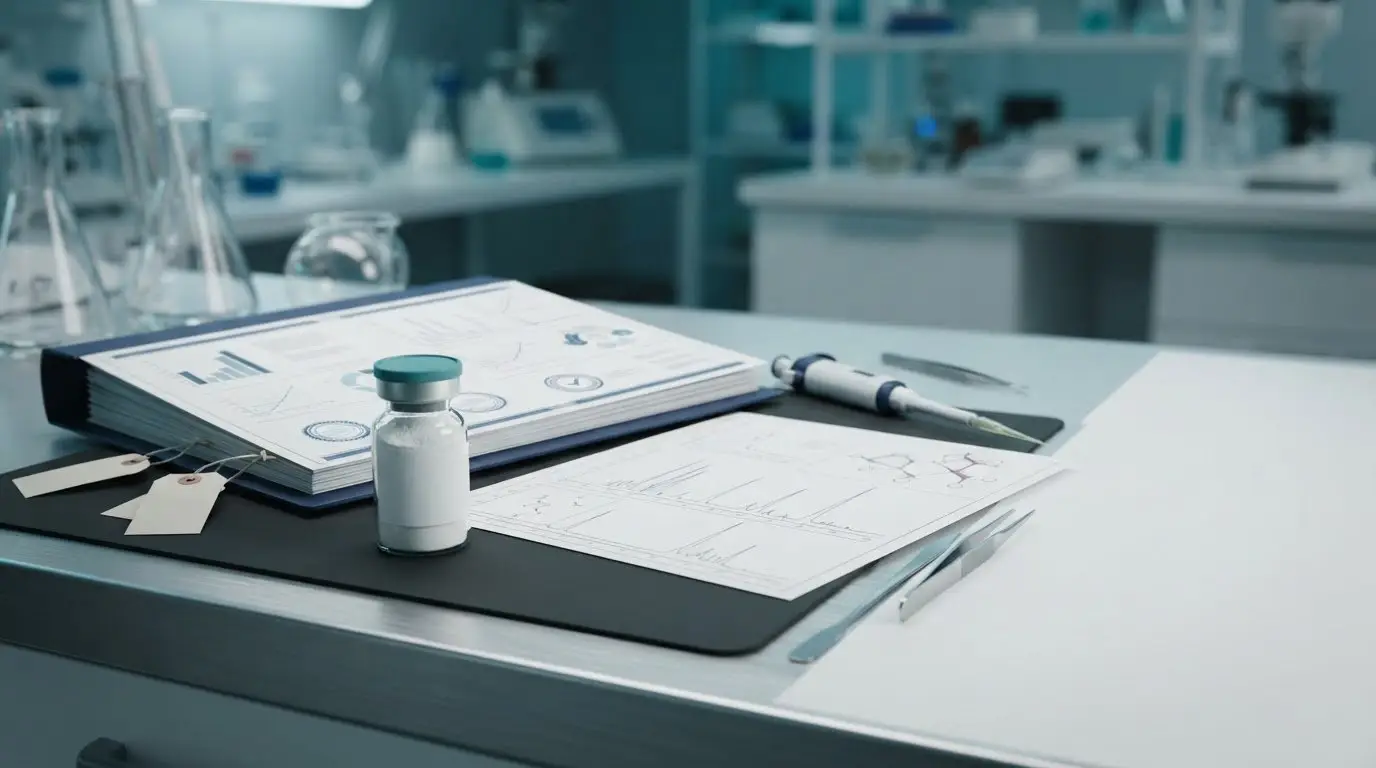
Reading a lab report doesn’t have to be daunting. On an HPLC chromatogram, you should look for one primary peak that represents the target peptide. This peak should account for at least 98% of the total area under the curve. If you see multiple smaller peaks, those represent impurities or degradation products that could compromise your results. The MS report should show a molecular weight that aligns with the theoretical value of approximately 4813.5 g/mol. This alignment proves the synthesis was successful and the product is structurally sound for laboratory use.
The Importance of Batch-Specific Certificates of Analysis
Repeatability is the backbone of scientific discovery. Lot-number traceability allows researchers to link specific experimental outcomes to a specific production batch. This is why batch-specific Certificates of Analysis (COAs) are vital. You can view documentation examples at solaracompounds.com/coa/ to see what a professional report looks like. Researchers should reject vendors who only offer “typical” reports rather than current, batch-level data. Without a verified COA, there’s no way to guarantee the stability or concentration of your research grade tirzepatide 10mg. Professional labs prioritize transparency because they know that consistent documentation leads to consistent results.
Laboratory Handling, Storage, and Reconstitution Protocols
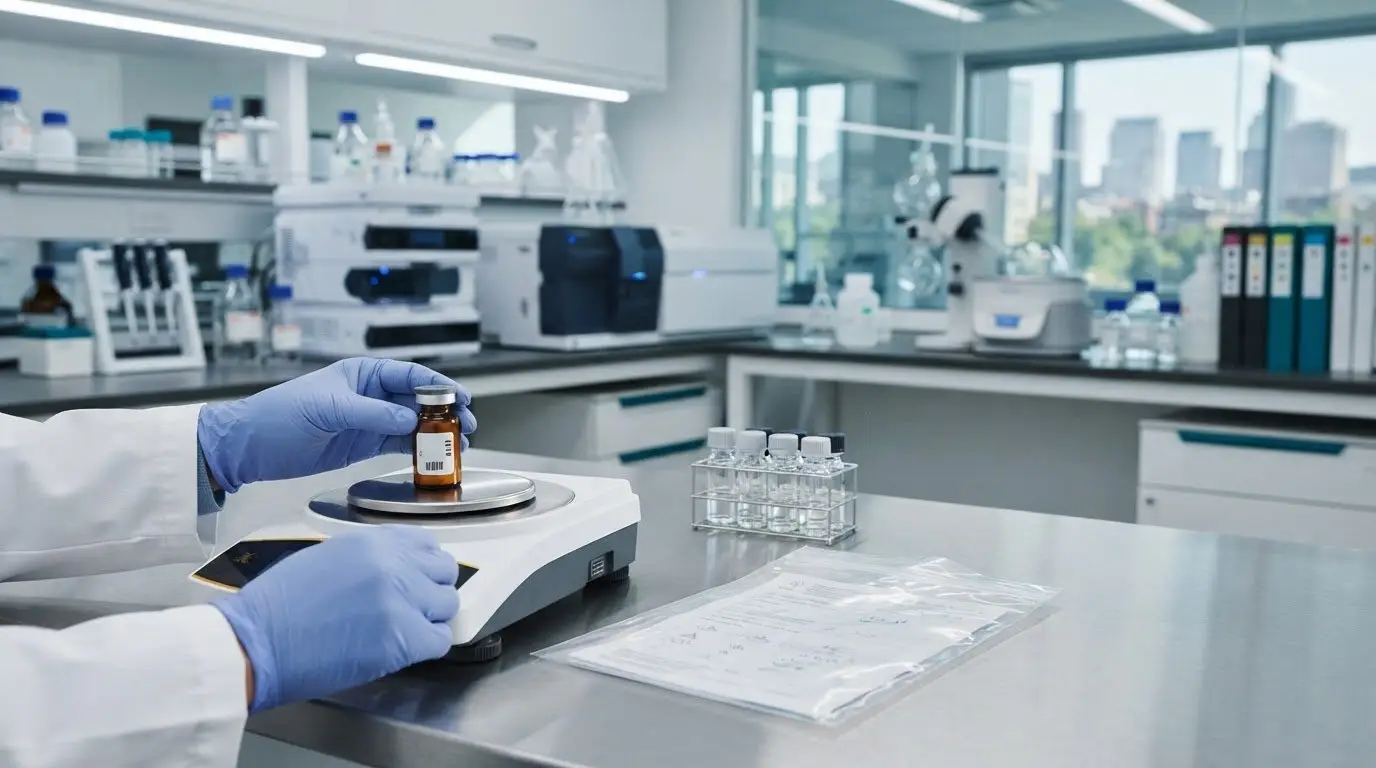
Upon receiving research grade tirzepatide 10mg, lab buyers must conduct an immediate inspection of the lyophilized vials. Lyophilization, or freeze-drying, creates a stable powder, but the vacuum seal must remain intact to prevent moisture ingress. Moisture can initiate premature degradation of the peptide chain. It’s best practice to store these vials in a light-protected environment, as UV exposure can break chemical bonds within the 39-amino acid sequence. For long-term preservation, temperatures of -20°C or -80°C are required to maintain structural integrity. Solara Compounds ensures that all SOL-2TZ shipments are handled with this level of precision before they reach your facility.
When you’re ready to begin your study, the choice of solvent is critical for maintaining a sterile environment. Using BAC Water 10ml is the standard for most biochemical applications. This medium provides the necessary bacteriostatic properties to inhibit growth during the active research phase. Remember that these materials are for laboratory research only. They aren’t medicine or supplements for humans or animals. You can find more information on handling requirements at solaracompounds.com.
Reconstitution Steps for Experimental Use
The process of transforming a powder into an aqueous solution requires patience. To start, introduce the solvent slowly down the side of the glass vial. Don’t aim the liquid directly at the peptide cake. Once the solvent is added, use a “slow swirl” technique. Avoid vigorous shaking; shaking can cause peptide shearing or denaturation. Denaturation happens when the peptide’s three-dimensional shape unfolds, rendering it useless for receptor-binding assays. Once fully dissolved, researchers can calculate the molarity. Molarity is a measure of the concentration of a solute in a solution, which is essential for ensuring that each trial uses the exact same amount of the compound.
Maintaining Stability in Aqueous Solutions
Once reconstituted, the stability profile of the peptide changes significantly. Aqueous solutions are more susceptible to heat and enzymatic breakdown than their lyophilized counterparts. It’s recommended to keep the solution refrigerated at 2-8°C between uses. Even under these conditions, the shelf-life is limited, often spanning only a few weeks. Avoid the temptation to refreeze a solution once it’s been thawed. Repeated freeze-thaw cycles create ice crystals that can physically rupture the peptide molecules. This leads to inconsistent data and wasted materials. For those starting new metabolic signaling projects, you can shop research peptides at solaracompounds.com to secure high-purity batches designed for stability.
Sourcing SOL-2TZ Tirzepatide for Institutional Study
Solara Compounds operates as a specialized U.S. supplier catering to the rigorous needs of laboratory buyers. We understand that the success of a study often hinges on the reliability of the supply chain. This is why we’ve adopted a documentation-first approach for every vial of SOL-2TZ. When you purchase research grade tirzepatide 10mg from us, you aren’t just getting a compound; you’re getting a verifiable record of its chemical journey. Our catalog also includes other sophisticated research tools like SOL-3RT Retatrutide to support a broad range of metabolic investigations. To minimize downtime, we provide fast U.S. shipping on all orders. We also offer free shipping on orders over $200 to help manage laboratory budgets effectively.
Why Institutional Buyers Trust Solara Compounds
Institutional buyers prioritize consistency and safety. Our synthesis occurs in ISO 7 cleanrooms using solid-phase methods. This environment ensures the highest standards of sterile lyophilization. If questions arise about molecular properties or handling, our team provides technical support via support@solaracompounds.com. We also offer a 14-day refund policy for any shipments that arrive damaged or incorrect. This provides a layer of security for high-value procurement. It’s important to remember that all products, including our research grade tirzepatide 10mg, are for laboratory research only. They’re not supplements or medicine for humans or animals.
Ordering and Procurement Logistics
Procurement is streamlined through our digital catalog. You can Shop research peptides at solaracompounds.com/shop/ to view real-time availability. For large-scale projects, we offer bulk and wholesale procurement options. These allow labs to secure consistent lot numbers across long-term experimental phases. All buyers must maintain mandatory Research Use Only (RUO) compliance. This means these compounds are strictly for scientific investigation within controlled environments. By choosing a partner that values empirical data over marketing hype, you ensure that your laboratory’s results remain the primary focus of your work.
Advancing Experimental Precision with SOL-2TZ
Successful metabolic research depends on the absolute integrity of your chemical reagents. This profile has outlined the critical role of dual-agonist pathways and the necessity of maintaining stability through standardized storage and reconstitution. Selecting research grade tirzepatide 10mg with a verified purity of at least 98% is the only way to eliminate unwanted variables from your signaling assays. Solara Compounds provides this assurance through SOL-2TZ. Every batch is third-party verified by Kovera Labs and includes a batch-specific COA for full traceability. Please remember that these materials are for laboratory research only and are not for human or animal consumption.
We’re dedicated to supporting your work with a transparent, documentation-first supply chain at solaracompounds.com. To assist with project logistics, we provide free shipping on all laboratory orders over $200. You’re invited to Shop Research Grade Tirzepatide (SOL-2TZ) at Solara Compounds to secure the high-purity peptides your study requires. Your pursuit of accurate data is our primary focus.
Frequently Asked Questions
Is Tirzepatide 10mg intended for human or animal use?
No, this compound is strictly for laboratory research only and is not intended for human or animal consumption. It’s not a medicine, supplement, or clinical treatment. Researchers utilize SOL-2TZ in controlled environments to investigate metabolic receptor pathways and signaling mechanisms. Any use outside of a specialized laboratory setting is strictly prohibited. Solara Compounds maintains a firm commitment to Research Use Only (RUO) compliance to ensure the integrity of scientific data.
How should I store SOL-2TZ Tirzepatide 10mg to ensure maximum stability?
To maintain the structural integrity of SOL-2TZ, store the lyophilized vials in a freezer at -20°C or -80°C. It’s essential to keep the vials in a light-protected container to prevent UV-induced peptide degradation. Ensure the vacuum seal remains intact to block moisture ingress, as humidity can initiate hydrolysis of the 39-amino acid chain. Once reconstituted, the solution should be refrigerated at 2-8°C and used within a few weeks.
What is the minimum purity level for Solara Compounds research peptides?
Every batch of research grade tirzepatide 10mg from Solara Compounds must meet a minimum purity threshold of 98%. We utilize high-performance liquid chromatography (HPLC) to separate and quantify any synthesis byproducts. All testing is conducted by Kovera Labs, an independent third-party facility, to ensure unbiased results. This high standard of purity is necessary for analytical research where even minor contaminants can significantly interfere with receptor binding studies or the measurement of cellular signaling responses.
Can I access the Certificate of Analysis (COA) for my specific batch?
Yes, you can access batch-specific documentation at solaracompounds.com/coa/. We prioritize lot-number traceability so researchers can verify the exact specifications of the compound used in their experiments. This transparency is vital for experimental repeatability and peer review. Each report includes HPLC and Mass Spectrometry data to confirm the purity and molecular identity of your specific shipment. Providing these records is a hallmark of our documentation-first approach at Solara Compounds.
What solvents are typically used to reconstitute Tirzepatide for laboratory study?
Researchers typically use BAC Water 10ml as the primary medium for reconstitution in laboratory environments. This bacteriostatic water contains a small percentage of benzyl alcohol, which inhibits the growth of bacteria during the active research phase. It’s important to introduce the solvent slowly to the lyophilized research grade tirzepatide 10mg powder to avoid foaming. Using a standardized solvent ensures that the chemical behavior of the peptide remains consistent across different experimental trials and metabolic models.
Does Solara Compounds ship research-grade peptides internationally?
No, Solara Compounds does not provide international shipping. We focus exclusively on providing a reliable supply chain for laboratory buyers within the United States. This allows us to maintain fast shipping times and ensure that temperature-sensitive peptides like SOL-2TZ spend less time in transit. We offer free shipping on all laboratory orders over $200. This domestic focus helps us provide better technical support and ensures that all shipments comply with U.S. research regulations.
How do I verify the molecular identity of the Tirzepatide I purchased?
You can verify the molecular identity by reviewing the Mass Spectrometry (MS) report provided with your batch. This report confirms that the molecular weight of the peptide matches the theoretical sequence of roughly 4813.5 g/mol. While HPLC confirms the purity of the sample, MS proves that the compound is actually Tirzepatide and not a similar peptide. Both data points are necessary for institutional buyers to validate the raw materials used in their biochemical pathway investigations.
What happens if my research compound arrives damaged?
If your shipment arrives with damaged vials or incorrect items, we offer a 14-day refund policy. Please inspect your order immediately upon delivery and contact our technical support team at support@solaracompounds.com or 1 (877) 388-9178. We understand that experimental timelines are tight, so we prioritize resolving logistics issues quickly. Providing a secure procurement experience is part of our role as a support partner for the scientific community at solaracompounds.com.