Research Articles
TB-500 5mg Research Compound: Structural Analysis and Laboratory Utility


Achieving institutional-grade repeatability depends entirely on the precision of your initial material analysis. You’ve likely encountered the frustration of inconsistent batch quality or opaque certificates of analysis that leave critical questions about molecular integrity unanswered. It’s a common hurdle that can compromise months of meticulous work. When results fluctuate between lots, identifying whether the variable is the biological model or the compound itself becomes an expensive diagnostic challenge.
This guide serves as a comprehensive technical reference for the TB-500 5mg research compound, offering the clarity you need to verify purity and standardize your laboratory workflows. We’ll analyze the specific structural properties of this peptide, including the critical distinction between the Ac-LKKTETQ fragment and full-length analogs. You will find detailed reconstitution protocols designed to maintain stability at 2-8°C, alongside a framework for sourcing domestic, lot-tested supplies that ensure long-term study viability. By prioritizing chromatographic verification and proper handling, you can eliminate secondary variables and focus on the primary objectives of your 2026 research projects.
Key Takeaways
- Define the specific molecular architecture of the synthetic fragment to ensure precise targeting in cellular migration studies.
- Learn to interpret HPLC and Mass Spectrometry data to verify the TB-500 5mg research compound meets the 99% purity threshold required for institutional repeatability.
- Compare the distinct mechanisms of TB-500 and BPC-157 to evaluate their potential synergy in multi-pathway tissue repair models.
- Establish a reliable handling and reconstitution protocol that protects the delicate peptide chain from mechanical agitation and thermal degradation.
- Identify the logistics and quality indicators necessary to source a consistent domestic supply, ensuring batch-to-batch stability across long-term research cycles.
Understanding the Molecular Architecture of TB-500 5mg
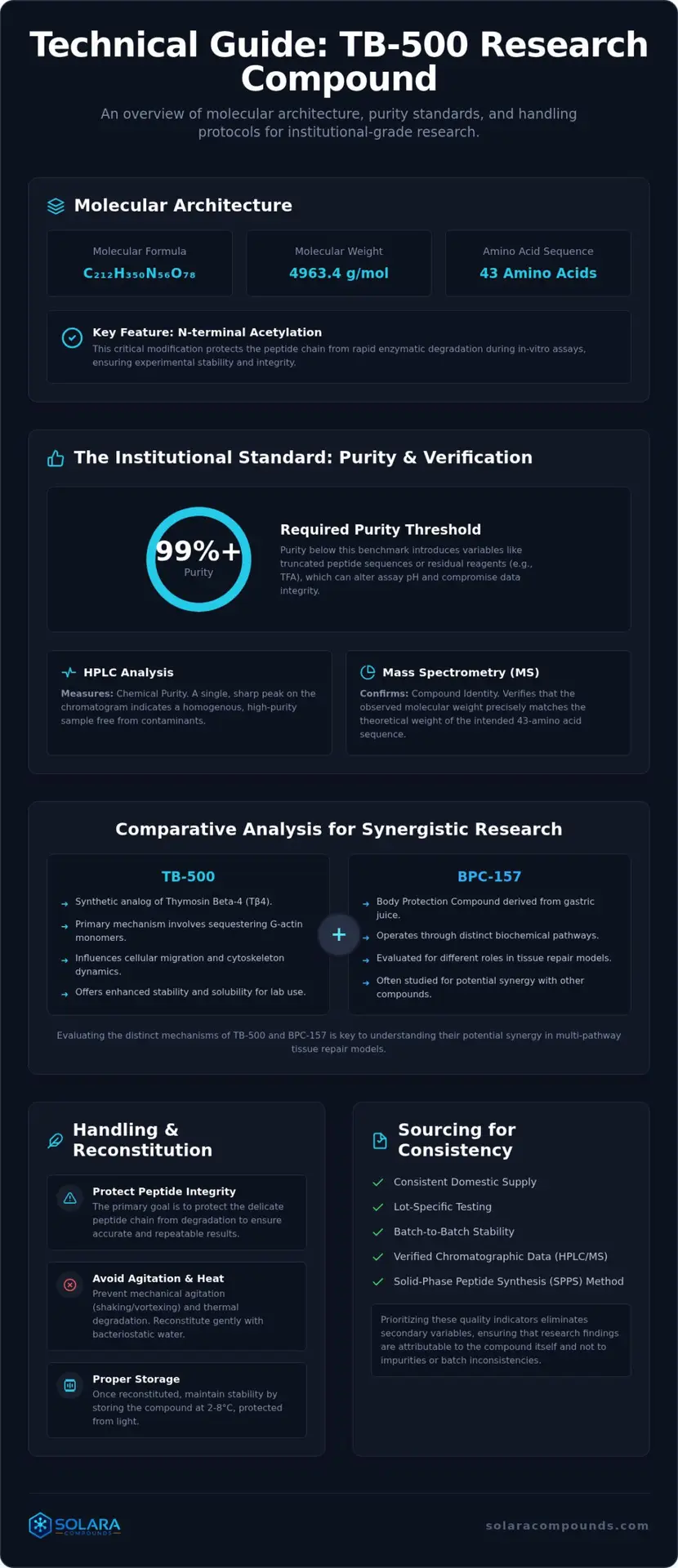
The TB-500 5mg research compound is a synthetic analog of the naturally occurring protein Thymosin Beta-4 (Tβ4). While Tβ4 is present in almost all mammalian cells, laboratory studies often require a high-purity synthetic version to isolate specific biochemical pathways. This compound is defined by its precise molecular formula, C212H350N56O78, and a verified molecular weight of 4963.4 g/mol. These metrics aren’t just numbers on a datasheet; they’re essential markers of structural integrity. By isolating the 43-amino acid sequence (Ac-Ser-Asp-Lys-Pro-Asp-Met-Ala-Glu-Ile-Glu-Lys-Phe-Asp-Lys-Ser-Lys-Leu-Lys-Lys-Thr-Glu-Thr-Gln-Glu-Lys-Asn-Pro-Leu-Pro-Ser-Lys-Glu-Thr-Ile-Glu-Gln-Glu-Lys-Gln-Ala-Gly-Glu-Ser), researchers can effectively study cellular migration and tissue repair mechanisms in controlled environments. The N-terminal acetylation of this sequence is particularly important, as it protects the peptide from rapid enzymatic degradation during in-vitro assays.
TB-500 vs. Thymosin Beta-4: The Fragment Distinction
Distinguishing between the endogenous protein and the synthetic fragment is vital for experimental accuracy. Many investigators prefer the TB-500 5mg research compound because it offers enhanced stability and solubility compared to natural extracts. In a laboratory setting, the synthetic fragment is more manageable during the reconstitution process and exhibits greater resilience against thermal fluctuations. A primary focus of research involving the TB-500 chemical structure is its G-actin binding domain. This specific region allows the peptide to sequester actin monomers, effectively preventing them from polymerizing into filaments. This interaction provides the biochemical rationale for using the isolated sequence to study cell motility, cytoskeleton dynamics, and the signaling pathways involved in wound healing models.
The Role of Synthetic Synthesis in Research Consistency
Reliable data starts with a consistent material source. Solid-phase peptide synthesis (SPPS) serves as the gold standard for producing TB-500 in 2026. This method allows for the precise, step-by-step assembly of amino acids, ensuring that each batch mirrors the intended sequence exactly. Unlike biological extraction, synthetic production eliminates the risk of natural contaminants like bacterial endotoxins or cellular byproducts that could skew results. It’s this level of control that makes SPPS indispensable for institutional repeatability. When the sequence is verified through High-Performance Liquid Chromatography (HPLC) and Mass Spectrometry, scientists can be certain that their results stem from the compound itself rather than unexpected impurities. Consistency isn’t an accident; it’s a byproduct of rigorous engineering and meticulous peptide sequence verification that ensures long-term study viability.
Purity Standards for High-Grade Laboratory Peptides
In laboratory investigation, “Research Grade” isn’t a marketing term; it’s a technical threshold. For the TB-500 5mg research compound, this typically requires a purity level of 99% or higher. When purity drops below this benchmark, the remaining 1% often consists of truncated peptide sequences or residual reagents like Trifluoroacetic acid (TFA). TFA is frequently used as a counter-ion during the synthesis process to stabilize the peptide, but excessive levels can alter the pH of a biochemical assay. This shift can lead to off-target effects that obscure the intended data. Using sub-standard materials in longitudinal studies introduces significant risk. Impurities can cause cellular toxicity or unexpected biochemical interactions that invalidate months of work, making the initial cost savings of generic suppliers a secondary concern to study integrity.
Interpreting HPLC and Mass Spectrometry Reports
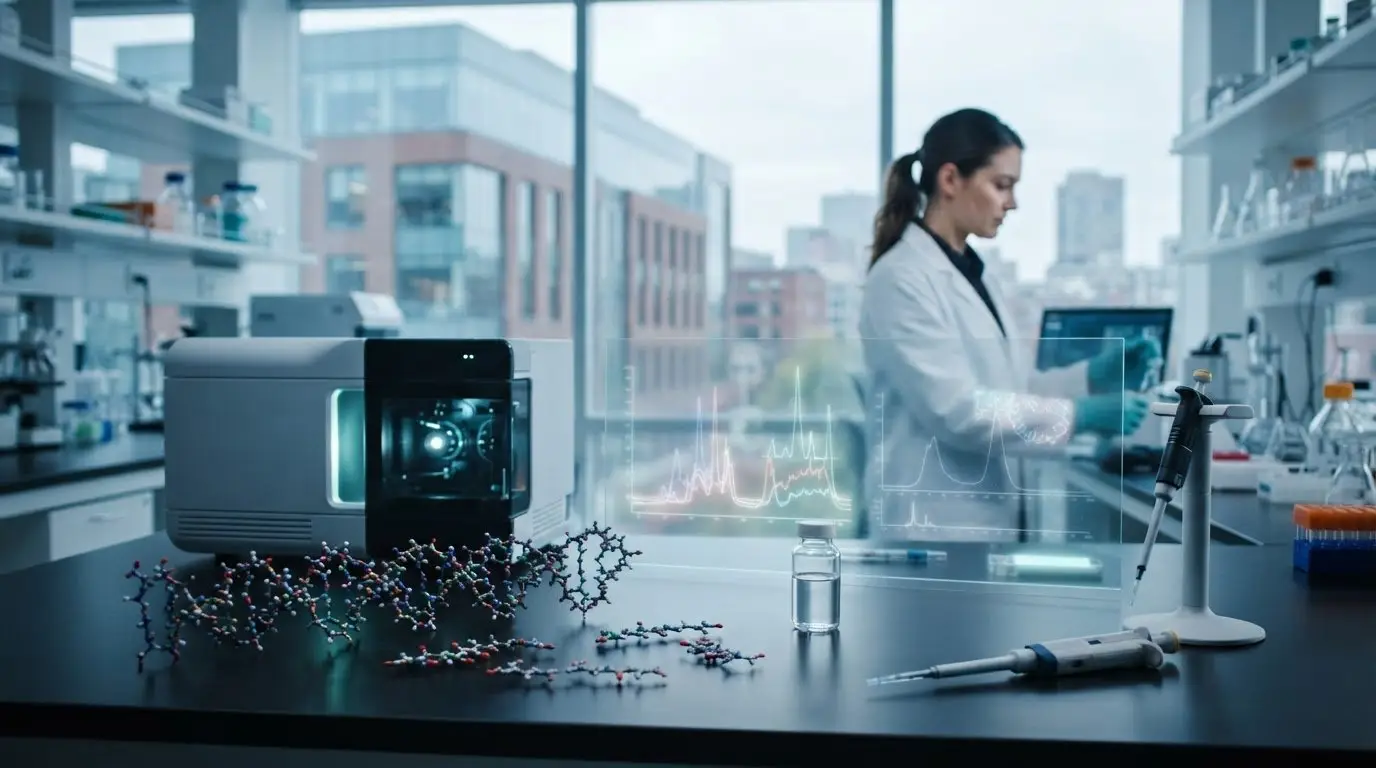
Verification requires two distinct analytical methods to confirm both the quality and the identity of the material. High-Performance Liquid Chromatography (HPLC) measures chemical purity by separating the main peptide from impurities based on retention time. A single, sharp peak on the chromatogram indicates a homogenous sample. Meanwhile, Mass Spectrometry (MS) confirms the identity of the compound by ensuring the observed molecular weight aligns with the theoretical sequence discussed in section one. Rigorous Independent Peptide Lab Testing: Purity & Verification is the only way to confirm these metrics. This level of scrutiny is mirrored in WADA research on TB-500 metabolism, which emphasizes precise detection limits and structural identification for forensic and research accuracy.
The Necessity of Batch-Specific Certificates of Analysis
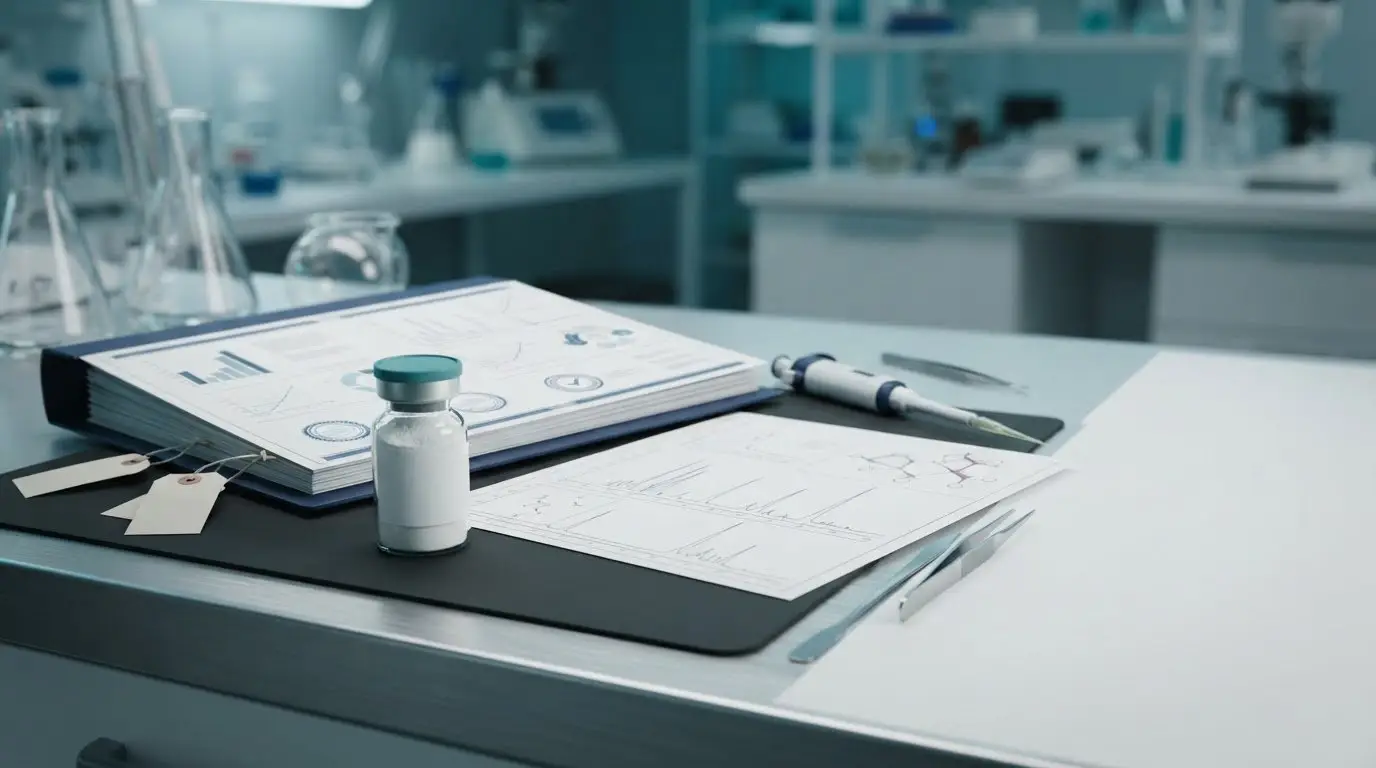
A Certificate of Analysis (COA) is a document of record, yet not all are created equal. Generic templates that aren’t linked to a specific lot number offer little protection against batch variability. Reliable providers like Solara Compounds prioritize batch-specific data for the TB-500 5mg research compound, ensuring the documentation you receive matches the specific vial in your laboratory. This transparency allows researchers to account for minor lot-to-lot variances in their experimental models. A COA is only as valid as its ability to be cross-referenced with a third-party laboratory. If you can’t verify the data independently, the integrity of your study remains at risk. For researchers who value empirical certainty, a thorough understanding of peptide sequence verification and batch integrity is essential before reviewing the batch-matched HPLC data for every acquisition as a non-negotiable step in the procurement process.
Comparative Analysis: TB-500 and BPC-157 in Synergistic Research
Investigative interest often centers on the interaction between distinct biochemical pathways. While the TB-500 5mg research compound is primarily studied for its influence on cellular migration and actin sequestration, BPC-157 is frequently utilized for its role in upregulating growth factors and promoting angiogenesis. These mechanisms are complementary but functionally unique. BPC-157 acts as an organizer of the vascular response, while TB-500 facilitates the physical movement of cells into those newly formed structures. Researchers exploring multi-pathway tissue repair models often find that combining these compounds provides a more comprehensive view of regenerative signaling. For those designing complex assays, the BPC-157 and TB-500: Purity and Procurement Guide (2026) offers a framework for selecting kit-specific materials that maintain high-purity standards.
Isolation remains the first step in any rigorous dual-compound study. It’s essential to establish a baseline for each peptide before conducting synergistic assays. Without isolating these variables, it becomes impossible to determine which compound is responsible for a specific phenotypic change in the biological model. This methodical approach prevents confounded data and ensures that any observed synergy is statistically significant rather than an artifact of contaminated or poorly calibrated materials.
Molecular Synergy in Cellular Migration Assays
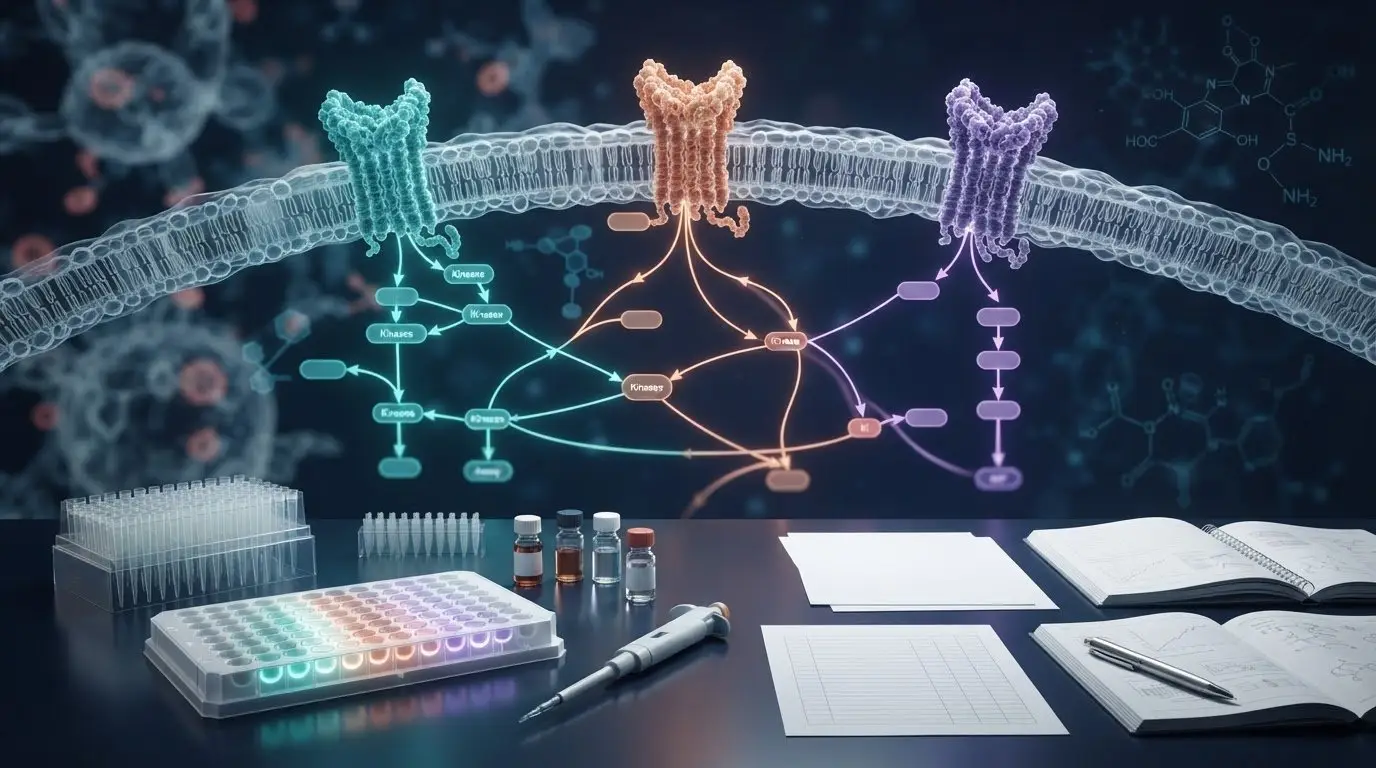
In laboratory models, the TB-500 5mg research compound influences the rate of actin polymerization by binding to G-actin monomers. This prevents the monomers from forming filaments until they’re required at the leading edge of a migrating cell. This contrasts sharply with BPC-157, which focuses on the modulation of growth factor expression, such as VEGFR2. One compound manages the mechanical movement of the cell, while the other manages the environment that supports cell survival. Establishing a clear framework for BPC-157 5mg laboratory use alongside TB-500 allows investigators to monitor these two distinct pathways simultaneously without overlapping mechanisms of action.
Divergent Stability Profiles in Aqueous Solutions
Precision in research requires an understanding of how compounds behave once they leave their lyophilized state. TB-500 and BPC-157 exhibit different half-lives and stability profiles when reconstituted in bacteriostatic water. While both require refrigeration at 2-8°C, TB-500 is particularly sensitive to mechanical agitation and thermal fluctuations. Maintaining separate vials for each compound is the preferred protocol in 2026. Pre-mixed solutions increase the risk of cross-peptide interactions or uneven degradation rates, which can compromise the concentration accuracy of the assay. By utilizing separate, high-purity vials, researchers can ensure that the molar ratios remain consistent throughout the duration of the study.
Handling and Reconstitution Protocols for Lyophilized Compounds
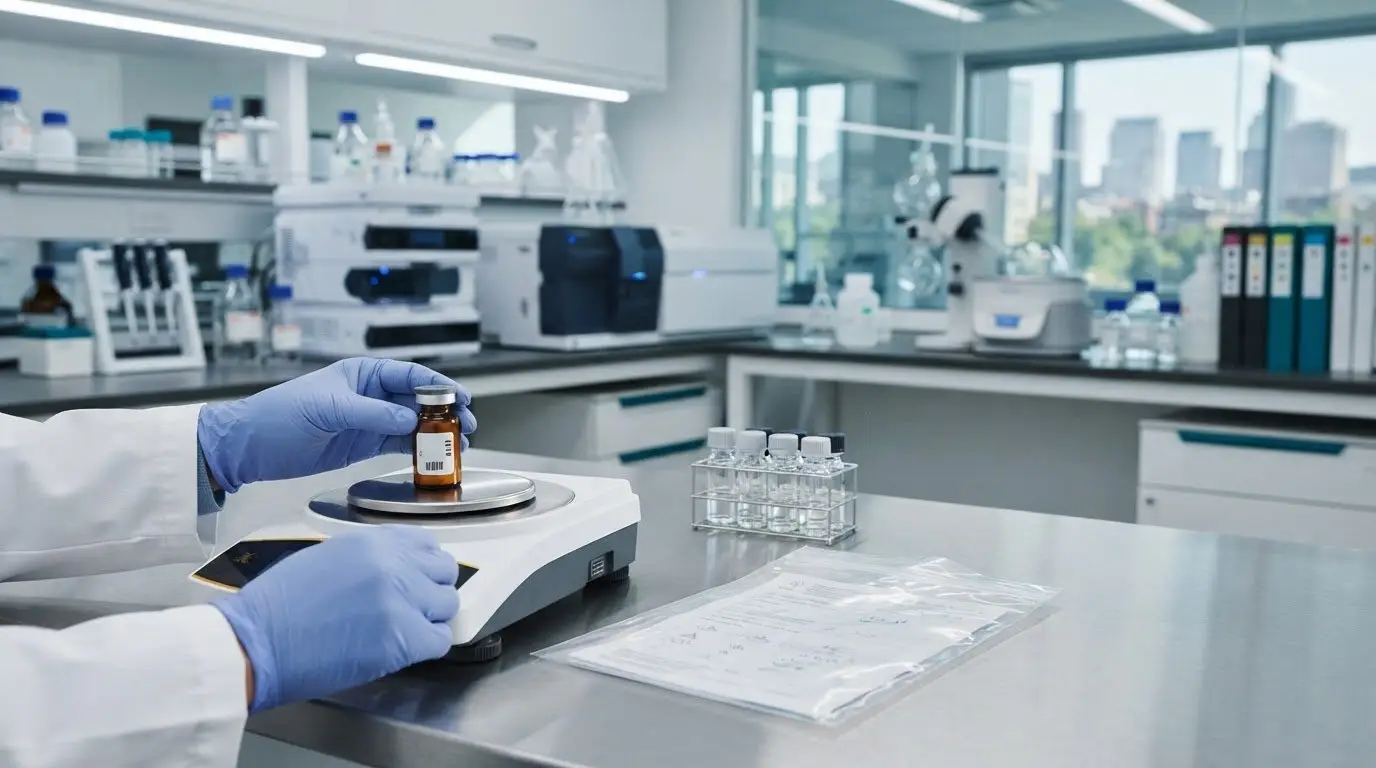
Lyophilization, or freeze-drying, is the standard process for ensuring the long-term stability of the TB-500 5mg research compound. By removing moisture through sublimation under a vacuum, this method creates a stable, porous cake that resists chemical degradation far more effectively than liquid analogs. This state is essential for preserving the delicate amino acid sequence during transit and storage. However, the resulting lyophilized structure is highly sensitive to external stressors. Heat and mechanical agitation can easily denature the peptide, breaking the specific bonds required for accurate cellular migration studies. Researchers must treat the vial with care, avoiding any rapid movements that could compromise the molecular integrity before the assay even begins.
The choice of reconstitution media depends on the intended duration of the study. Bacteriostatic water, which contains 0.9% benzyl alcohol, is the preferred diluent for multi-use vials because it inhibits microbial growth over time. For single-use laboratory assays where alcohol might interfere with sensitive cell cultures, sterile saline is a viable alternative. To prevent molecular shearing, investigators should aim the needle toward the inner glass wall of the vial, allowing the diluent to trickle slowly down into the lyophilized cake. This controlled entry prevents the high-pressure “spraying” that often leads to peptide fragmentation and foaming.
Step-by-Step Reconstitution for Laboratory Assays
Precision in concentration is the foundation of institutional repeatability. When working with a 5mg vial, the final concentration (mg/mL) is determined by the volume of diluent added. For example, introducing 2mL of bacteriostatic water results in a concentration of 2.5mg/mL, while 5mL yields a 1mg/mL solution. A successful reconstitution should result in a perfectly clear, colorless, and particle-free liquid. If the solution appears cloudy or contains visible undissolved matter, the peptide may have degraded or been exposed to contaminants. Common errors, such as rapid shaking or high-pressure injection, often result in irreversible damage to the peptide chain. Instead, researchers should use a gentle swirling motion to ensure the powder is fully incorporated into the media.
Optimal Storage and Temperature Management
Maintaining the cold chain is critical for the TB-500 5mg research compound. In its lyophilized form, the powder should be stored at -20°C for long-term preservation, where it can remain stable for up to 24 months. Once reconstituted, the solution is significantly more vulnerable to thermal degradation and should be kept at 2-8°C. To ensure study consistency, researchers should follow this handling checklist:
- Monitor storage temperatures with a calibrated digital thermometer.
- Protect vials from direct light exposure to prevent photo-degradation.
- Minimize the time the vial spends at room temperature during laboratory handling.
- Store reconstituted vials in a dedicated, vibration-free refrigerator.
Ensuring these protocols are met is the only way to guarantee that your materials remain viable for the duration of your project. For those requiring batch-specific verification of these stability standards, you can source high-purity TB-500 5mg that includes lot-matched analysis to support your documentation.
Sourcing TB-500 5mg: Ensuring Batch-Specific Consistency
Identifying a reliable partner is the final step in securing study integrity. A professional US-based supplier acts as a bridge between material science and practical application, prioritizing empirical data over generic marketing. The hallmarks of a reputable provider include transparent testing methodologies and a commitment to domestic logistics. Domestic shipping is essential. Shipping from facilities like those in Florida is vital for maintaining the cold-chain stability of the TB-500 5mg research compound during transit. By avoiding the unpredictability of international customs, researchers bypass the risk of prolonged exposure to ambient temperatures that can degrade the peptide’s structural integrity. This domestic focus ensures that the lyophilized cake remains stable and ready for immediate laboratory utility upon arrival.
The Solara Standards: Purity and Transparency
Solara Compounds maintains a science-first approach by providing batch-specific Certificates of Analysis for every lot produced. Our protocols involve rigorous third-party testing to verify that the TB-500 5mg research compound meets its theoretical molecular weight of 4963.4 g/mol and the 99% purity threshold. We provide lot-matched HPLC and Mass Spectrometry data to all institutional clients, ensuring total transparency before the material ever reaches the laboratory. This commitment to data-driven descriptors reinforces our role as a reliable partner in long-term research success. It’s handled through a secure, professional storefront designed to meet the rigorous standards of modern biochemistry departments.
Institutional Procurement and Bulk Research Support
Multi-phase laboratory studies require a stable supply chain and predictable cost structures to maintain institutional repeatability. Tiered pricing models support large-scale institutional projects by providing fiscal efficiency for bulk acquisitions without compromising on individual vial purity standards. We offer specialized logistical support for university departments and private research facilities, ensuring that cold-chain protocols are strictly observed from the point of synthesis to the laboratory bench. This methodical approach allows investigators to focus on empirical outcomes rather than procurement variables. Researchers are invited to procure high-purity TB-500 5mg to secure the consistency required for their next investigative milestone in 2026.
Advancing Investigative Precision through Structural Integrity
Reliable investigative outcomes are built upon the foundation of material consistency. By prioritizing sequence verification and the 99% purity threshold, researchers can eliminate the variables that often compromise longitudinal studies. Proper handling protocols, such as precise diluent introduction and cold-chain management, ensure that the molecular architecture remains intact from the point of synthesis to the final assay. This methodical approach is the only way to guarantee that your data reflects the true biochemical potential of the TB-500 5mg research compound. Consistency isn’t merely a goal; it’s a requirement for institutional repeatability.
To support your 2026 study objectives, you can Procure High-Purity TB-500 5mg for Research through our secure storefront. We include batch-specific HPLC and MS verification with every lot to ensure institutional-grade purity standards are met. Our secure US-based domestic shipping helps you maintain cold-chain integrity while avoiding the delays associated with international transit. We’re committed to supporting your laboratory as a knowledgeable guide through these technical challenges. We look forward to being your partner in achieving clear, repeatable results for your next scientific milestone.
Frequently Asked Questions
Is TB-500 5mg suitable for human clinical use?
No, this compound is strictly intended for in-vitro laboratory research and is not for human or veterinary consumption. It hasn’t received FDA approval for clinical applications and is explicitly banned by the World Anti-Doping Agency (WADA) for use in competitive athletics. Researchers must ensure that all handling and application protocols remain within the scope of institutional review board (IRB) guidelines for material science or biochemical investigation.
What is the theoretical molecular weight of the TB-500 research compound?
The theoretical molecular weight of the TB-500 5mg research compound fragment is confirmed at 4963.4 g/mol. This specific mass reflects the synthetic sequence derived from the larger Thymosin Beta-4 protein. Verifying this value through Mass Spectrometry (MS) is a critical step in confirming the structural integrity of the batch. Any significant deviation from this weight suggests the presence of truncated sequences or secondary impurities that could compromise study results.
How should lyophilized TB-500 5mg be stored upon arrival?
Lyophilized TB-500 should be stored in a cool, dry environment away from direct light exposure. For immediate laboratory use, refrigeration at 2-8°C is acceptable for short durations. However, for long-term preservation of up to 24 months, vials should be stored in a dedicated freezer at -20°C. Maintaining these temperatures prevents the degradation of the delicate amino acid chain and ensures that the material remains viable for future experimental cycles.
Can TB-500 5mg be reconstituted with sterile water instead of bacteriostatic water?
Sterile water is suitable for single-use laboratory assays where the presence of preservatives might interfere with sensitive biological models. However, it lacks the 0.9% benzyl alcohol found in bacteriostatic water, which inhibits microbial growth. If a study requires multiple draws from a single vial over several days, bacteriostatic water is the preferred reconstitution media. This choice ensures the solution remains uncontaminated and stable throughout the duration of the investigative protocol.
What is the difference between TB-500 and Thymosin Beta-4 in a research context?
In a research context, Thymosin Beta-4 is the full-length 43-amino acid protein naturally found in mammalian tissue. TB-500 is a synthetic fragment that isolates the specific G-actin binding domain responsible for cellular migration. While they share functional similarities, the TB-500 5mg research compound is often preferred in 2026 due to its increased solubility and targeted mechanism. This isolation allows researchers to study specific regenerative pathways without the complexity of the full-length protein.
How do I verify the purity of a TB-500 5mg batch using a COA?
To verify batch purity, examine the High-Performance Liquid Chromatography (HPLC) chromatogram for a single, prominent peak, which indicates a homogenous sample. The purity percentage should meet the “Research Grade” standard of 99% or higher. Additionally, cross-reference the lot number on the Certificate of Analysis (COA) with the vial in your possession to ensure the data is batch-matched. Independent third-party verification provides the empirical evidence necessary to maintain institutional transparency and study repeatability.
Why is TB-500 5mg often studied alongside BPC-157?
These compounds are often studied together because they target complementary pathways in tissue repair models. BPC-157 is primarily investigated for its role in promoting angiogenesis and growth factor expression, while TB-500 focuses on the mechanical movement of cells into those vascular structures. This dual-pathway approach allows researchers to observe potential molecular synergy. Investigating these mechanisms simultaneously provides a more comprehensive understanding of complex regenerative signaling within a controlled laboratory environment.
What is the shelf life of a reconstituted TB-500 5mg solution?
Once reconstituted, a TB-500 solution is stable for approximately 28 to 30 days when stored under refrigeration at 2-8°C. Beyond this window, the peptide chain begins to undergo gradual degradation, which can lead to inconsistent assay results. To maximize stability, researchers should minimize the solution’s exposure to room temperature and avoid mechanical agitation. Vials should be clearly labeled with the reconstitution date to ensure that only viable materials are used in active research.