Research Articles
Third Party Tested Peptides USA: A Researcher’s Guide to Quality Verification

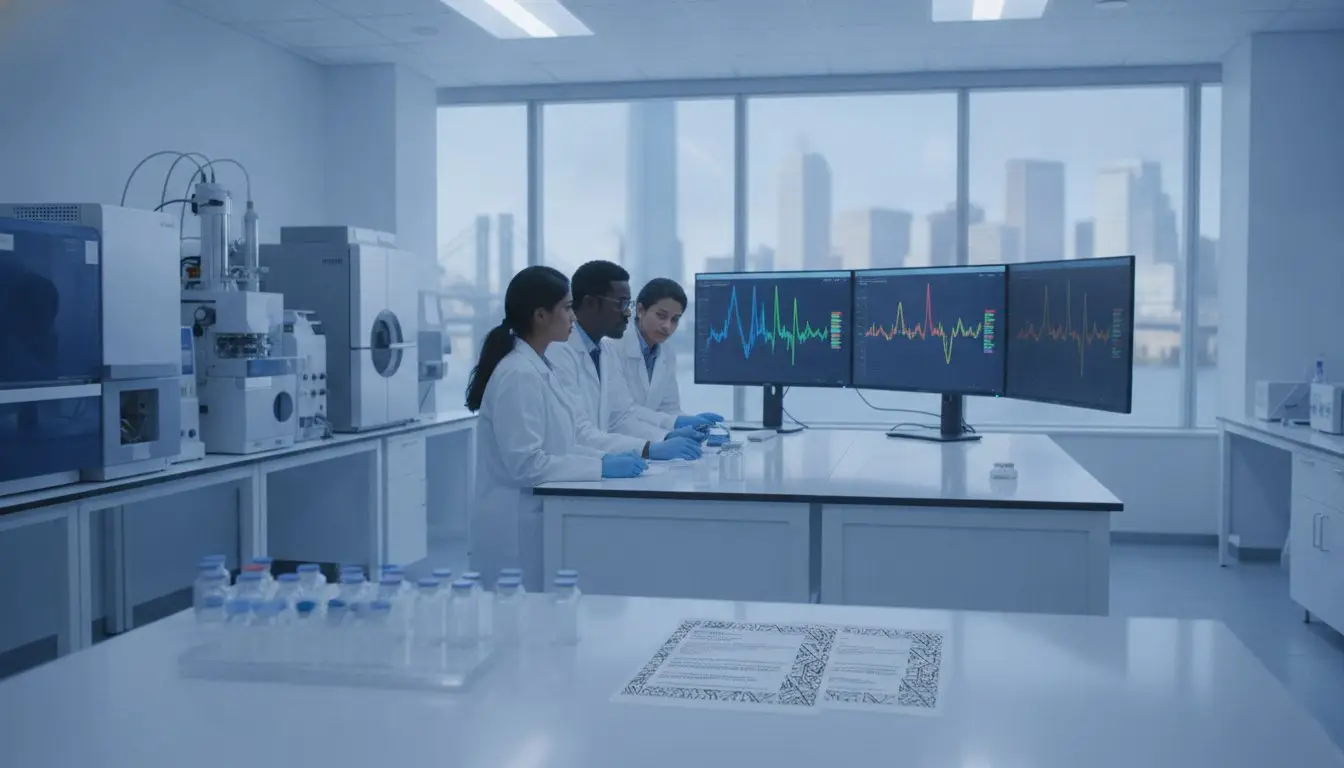
In high-stakes research, third-party testing isn’t just a marketing feature; it’s the essential foundation of experimental integrity and data reproducibility. You’ve likely experienced the frustration of inconsistent batch purity that derails months of laboratory work. It’s difficult to maintain confidence in your findings when sourcing from international suppliers with little to no oversight. Accessing reliable third party tested peptides USA is a critical step for any researcher who values precision over guesswork. At Solara Compounds, we believe that documentation should be as robust as the compounds themselves.
This guide will help you decode complex laboratory reports and understand the rigorous standards required for high-purity research materials. We’ll examine the technical differences between HPLC and Mass Spectrometry, while highlighting how domestic sourcing at solaracompounds.com provides the transparency your work demands. You’ll learn to identify the hallmarks of a trustworthy supplier and how to secure high-purity lyophilized powders with verified batch-specific COAs. Please remember that all products are for laboratory research only and are not intended for human or animal consumption.
Key Takeaways
- Learn how independent laboratory verification ensures experimental reproducibility and eliminates the risks associated with inconsistent batch purity.
- Understand why high-performance liquid chromatography (HPLC) is the gold standard for verifying third party tested peptides USA, allowing researchers to confirm quantitative purity levels.
- Discover the logistical benefits of domestic US sourcing from Florida-based facilities, including reduced degradation risks and adherence to ISO 7 cleanroom standards.
- Master the process of auditing a Certificate of Analysis (COA) by matching vial lot numbers to the official documentation database at solaracompounds.com.
- Maintain strict compliance with laboratory standards by recognizing that all research compounds are for research use only and not for human or animal consumption.
The Critical Role of Third-Party Testing in Peptide Research
Third-party testing is the independent verification of a compound’s chemical identity and purity by a laboratory unaffiliated with the manufacturer. It acts as an objective audit. Without this, researchers rely solely on a supplier’s internal claims, which creates a potential conflict of interest that can jeopardize experimental results. High-quality third party tested peptides USA provide the assurance that the lyophilized powder in the vial matches the molecular structure specified on the label. This external oversight is the only way to confirm that a product is free from the synthesis byproducts that often plague unverified batches.
Relying on “in-house” testing carries significant risks for the modern laboratory. Internal reports may lack the transparency required to identify sequence errors or cross-contamination during the manufacturing process. Independent verification mitigates these risks by providing a neutral perspective on the material’s structural integrity. When a researcher uses verified materials, they remove unknown variables from their cellular or mitochondrial models, ensuring that the observed effects are caused by the peptide itself rather than an unintended impurity.
Ensuring Data Integrity in Laboratory Settings
Data accuracy hinges on the purity of the reagents used. In biochemical assays, even minor impurities can significantly alter the signal-to-noise ratio; this makes it difficult to distinguish true biological responses from chemical interference. Batch-to-batch consistency is particularly critical for multi-phase longitudinal studies where variables must remain constant over several months. Institutional researchers in major scientific hubs, such as San Diego and Boston, prioritize external validation to meet these strict reproducibility standards. Most independent labs utilize high-performance liquid chromatography (HPLC) to isolate and quantify these impurities, ensuring the final product meets a minimum purity threshold, often exceeding 98%.
The RUO Standard for Chemical Compounds
Research peptides are categorized as Research Use Only (RUO) materials. These are distinct from industrial chemicals or consumer-grade products because they are synthesized specifically for controlled laboratory environments. Solara Compounds maintains this standard by providing batch-level documentation for every lot. It’s a mandatory requirement to state that all products from Solara Compounds and solaracompounds.com are for laboratory research only. They are not for human or animal consumption, and they are not medicines or supplements. Sourcing non-verified compounds for scientific work can lead to legal complications and compromised safety protocols within a professional lab. Reliable documentation ensures that your facility remains compliant while pursuing precise, data-driven outcomes.
Analytical Techniques: Understanding HPLC and Mass Spectrometry
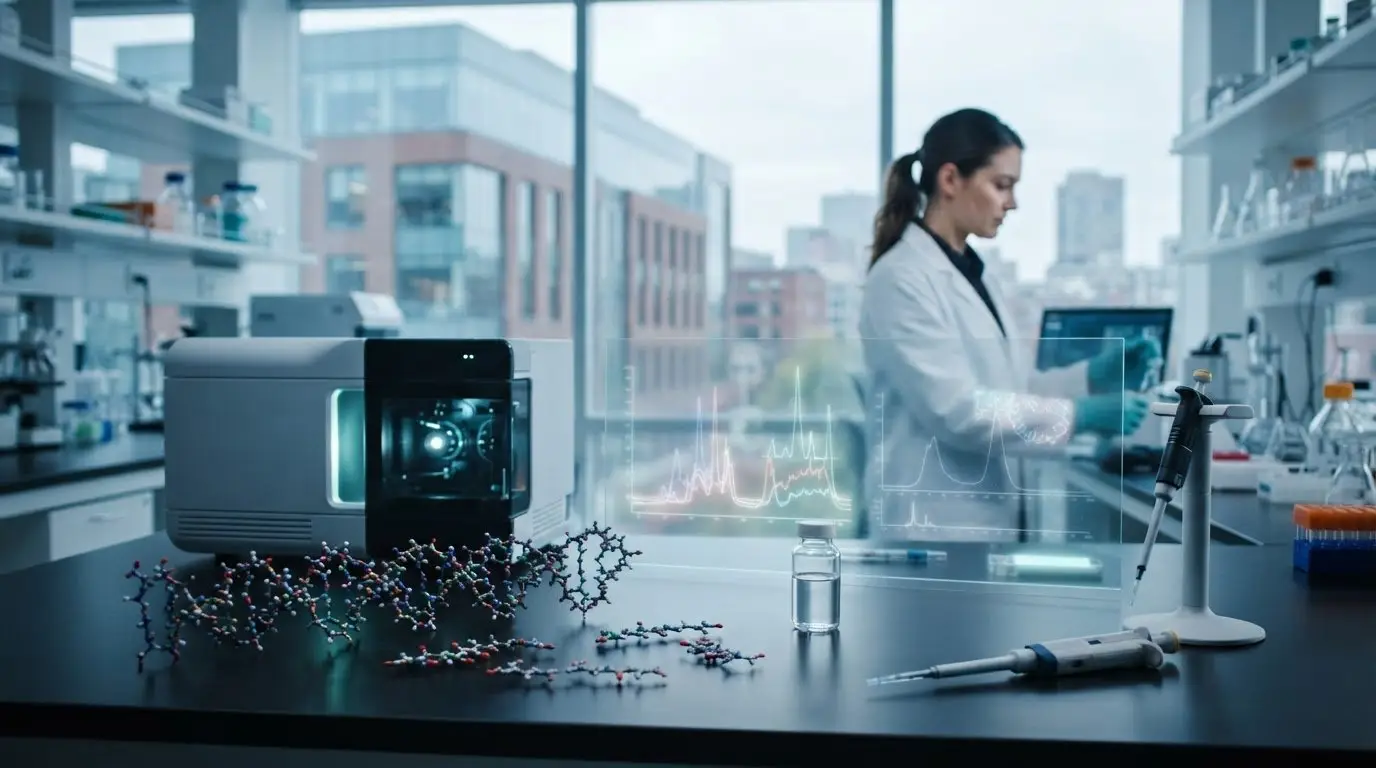
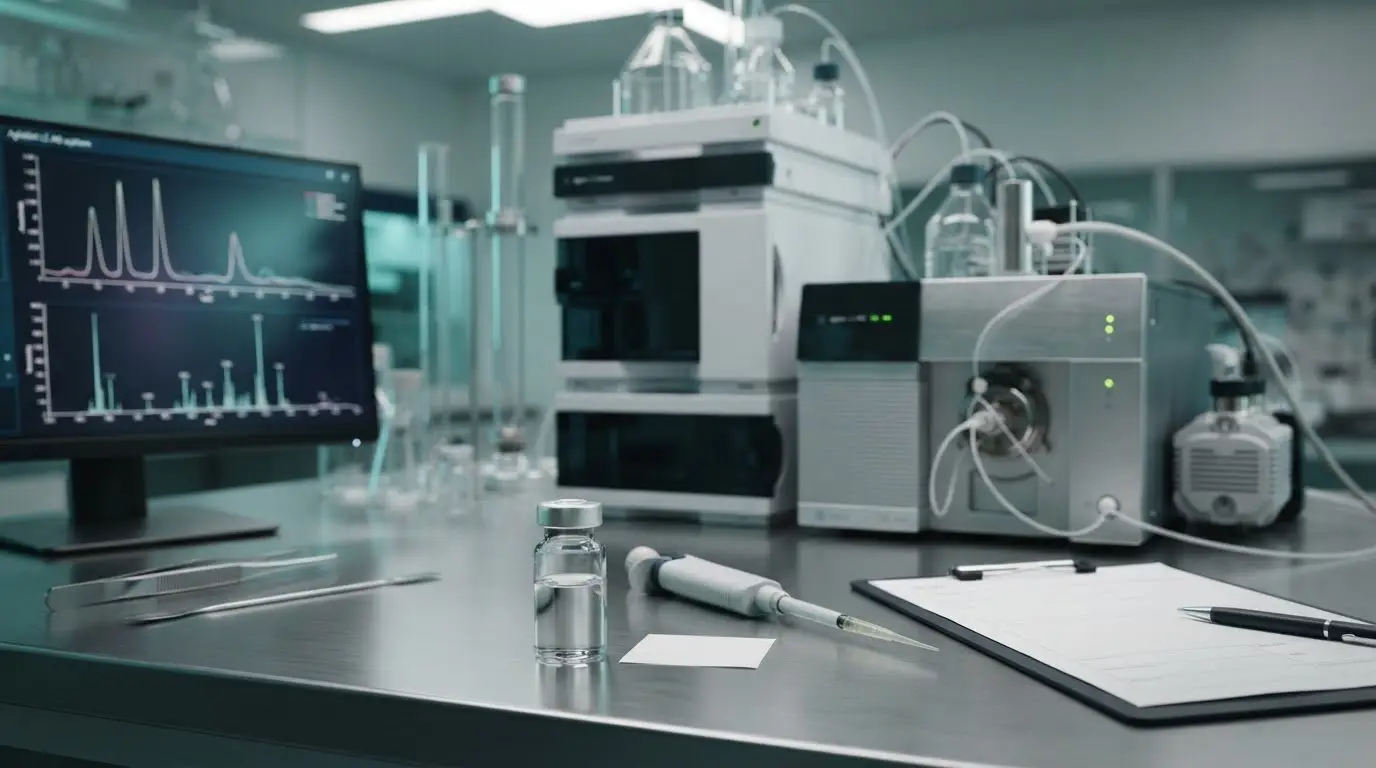
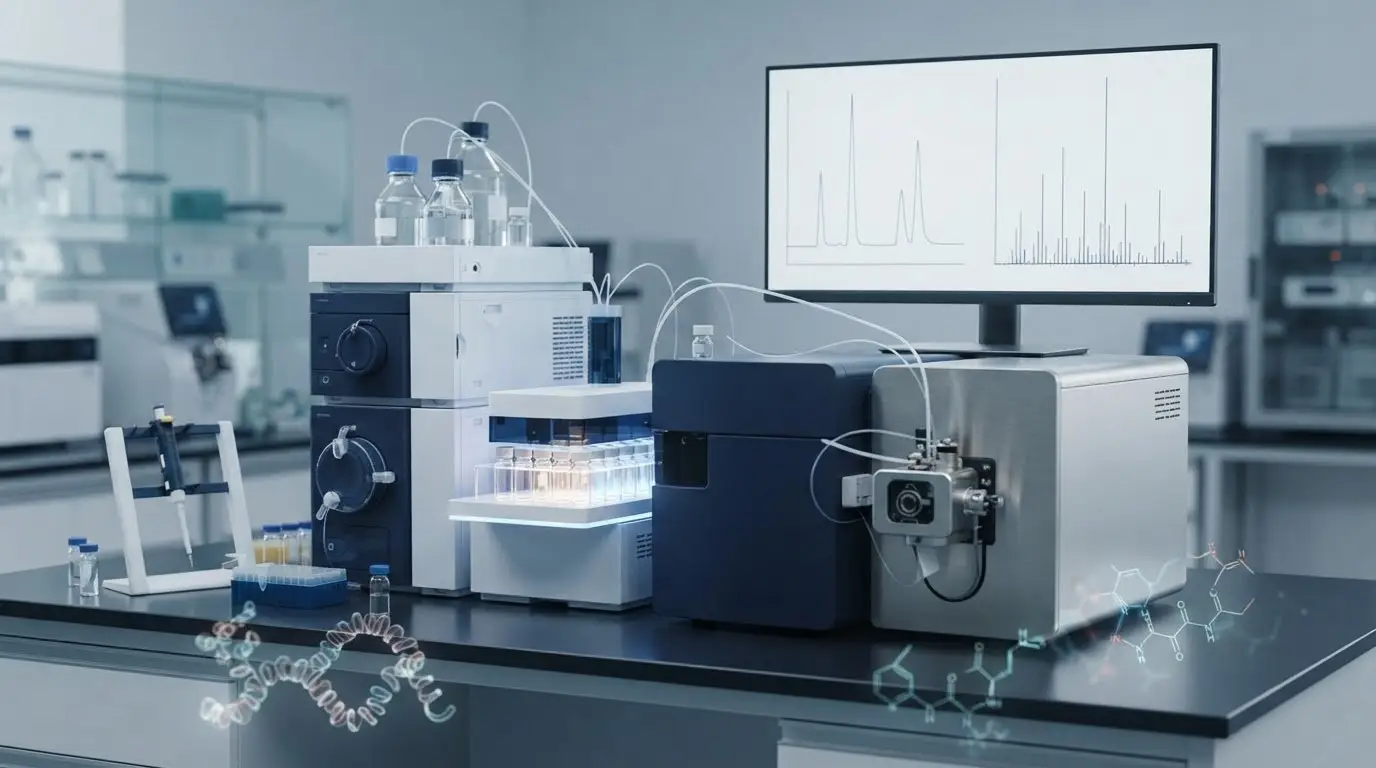
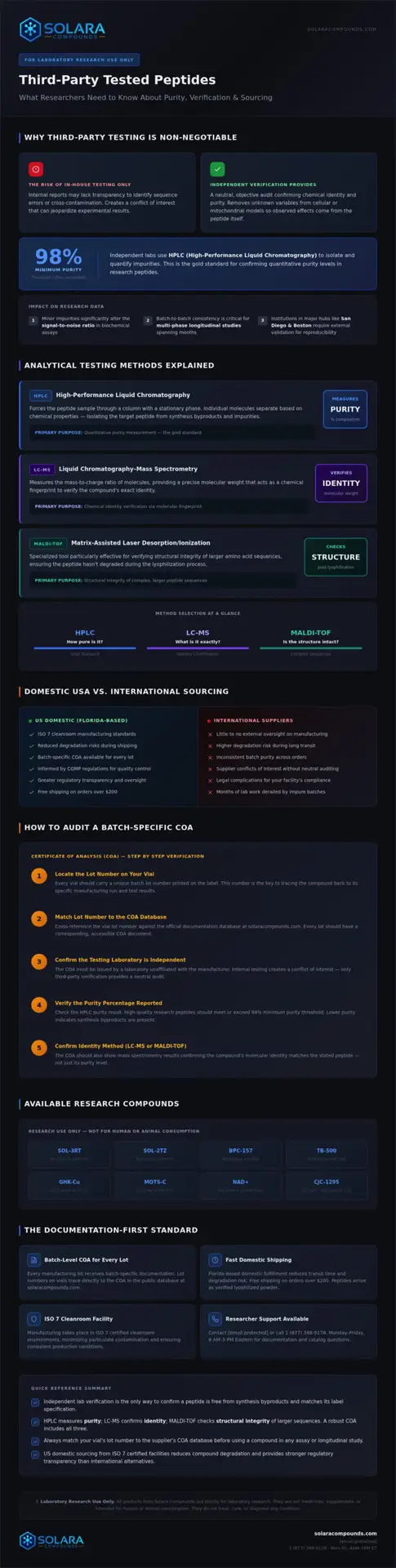
Confirming the quality of third party tested peptides USA requires sophisticated analytical tools that go beyond simple visual inspection. High-Performance Liquid Chromatography (HPLC) remains the primary method for determining the quantitative purity of a research compound. This technique works by forcing the peptide sample through a column filled with a stationary phase. As the sample moves through the column, individual molecules interact with the material at different rates, causing them to separate based on their chemical properties. This separation allows lab technicians to isolate the target peptide from any residual synthesis byproducts or impurities.
While HPLC measures purity, Liquid Chromatography-Mass Spectrometry (LC-MS) is used to verify the compound’s exact identity. Mass spectrometry measures the mass-to-charge ratio of the molecules, providing a precise molecular weight that acts as a chemical fingerprint. For more complex amino acid chains, researchers may utilize MALDI-TOF (Matrix-Assisted Laser Desorption/Ionization-Time of Flight) analysis. This specialized tool is particularly effective for verifying the structural integrity of larger sequences, ensuring the peptide hasn’t degraded during the lyophilization process. These rigorous methods are essential for maintaining the standards found in Current Good Manufacturing Practice (CGMP) regulations, which many high-end domestic suppliers use to inform their quality control frameworks.
Interpreting the HPLC Chromatogram
A chromatogram is a visual representation of the separation process, showing various peaks that correspond to different substances in the sample. The most important metric is the “area under the curve” (AUC). By calculating the area of the primary peak relative to the smaller peaks, labs can determine the exact purity percentage of the material. This process also helps identify residual solvents or salts that might remain after synthesis. HPLC purity is defined as the ratio of the target peptide peak area to the total integrated peak area recorded during the analysis. High-purity research materials, such as those found when you explore the laboratory research catalog, typically target a minimum purity of 98% to ensure experimental reliability.
Molecular Weight Confirmation via LC-MS
The MS spectra provided in a laboratory report serve as definitive proof that the compound is exactly what the label claims. This is how a researcher can distinguish between similar sequences, such as SOL-3RT and SOL-2TZ, which have distinct molecular weights. The “molecular ion” peak on the report must match the theoretical mass of the peptide sequence exactly. Verifying this sequence accuracy is vital in regenerative signaling research models where even a single amino acid error can completely change the experimental outcome. Please remember that all materials from Solara Compounds are for laboratory research only and are not intended for human or animal consumption.
Domestic USA Sourcing vs. International Research Compounds
Sourcing third party tested peptides USA is about more than just proximity; it’s about maintaining the structural integrity of sensitive research materials. International shipments are frequently subjected to extreme temperature fluctuations and prolonged transit times that can cause peptide degradation before the material even reaches your laboratory. By contrast, domestic sourcing from a Florida-based supplier like Solara Compounds allows for a controlled logistics chain. This proximity ensures that lyophilized powders remain stable and that vacuum seals are not compromised by the rigors of international freight. Accountability is also significantly higher when you work with domestic entities, as researchers can more easily audit the methodologies of US-based independent labs such as Kovera Labs.
The regulatory landscape in the United States provides a layer of oversight that is often absent in overseas facilities. While international suppliers might claim high standards, US-based labs often align their internal protocols with FDA Current Good Manufacturing Practices (CGMPs) to ensure consistency. This commitment to quality verification is what separates a reliable research partner from an opaque middleman. Every lot number provided by solaracompounds.com is traceable, allowing for a transparent audit trail that is essential for institutional compliance.
Quality Control in ISO 7 Cleanrooms
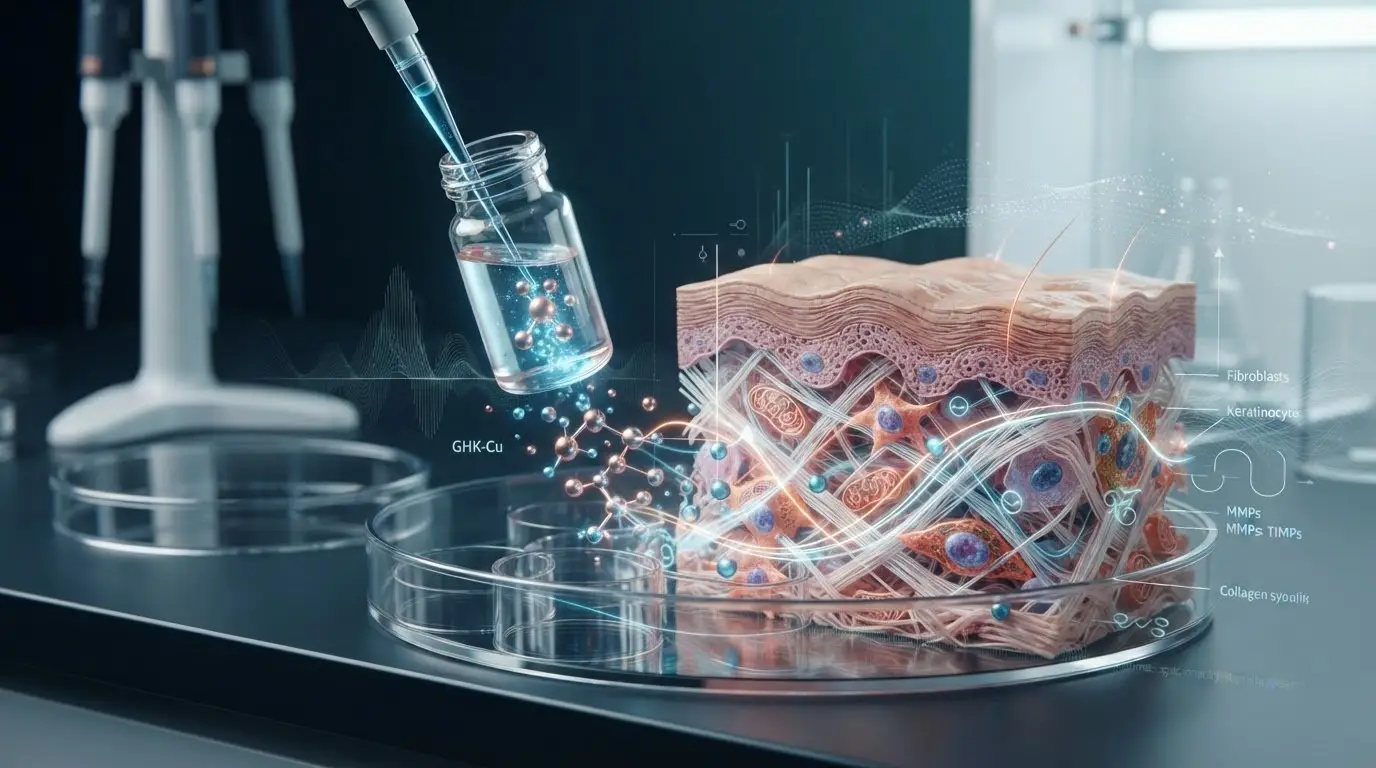
Maintaining a sterile environment is paramount during the final stages of synthesis. Solara Compounds utilizes ISO 7 cleanrooms to prevent environmental contaminants from entering the vials during the lyophilization process. This high level of control is vital for the stability of compounds like BPC-157 and GHK-Cu, which are sensitive to moisture and oxygen. High Purity Research Peptides are immediately vacuum-sealed after freeze-drying to prevent oxidation during laboratory storage. This process preserves the chemical identity of the research tools, ensuring they remain viable for long-term study.
Shipping Reliability for Institutional Buyers
Time is a critical variable in metabolic pathway studies, and domestic logistics help eliminate unnecessary lead times. We offer fast shipping to major research hubs, including Houston, Raleigh, and Seattle, to keep your project on schedule. For bulk laboratory procurement, researchers can take advantage of free shipping on orders over $200, which helps manage departmental budgets without sacrificing quality. These compounds are for laboratory research only and must never be used for human or animal consumption. Reliable domestic transit ensures that your research materials arrive with their biological activity fully preserved.
How to Audit a Batch-Specific Certificate of Analysis (COA)
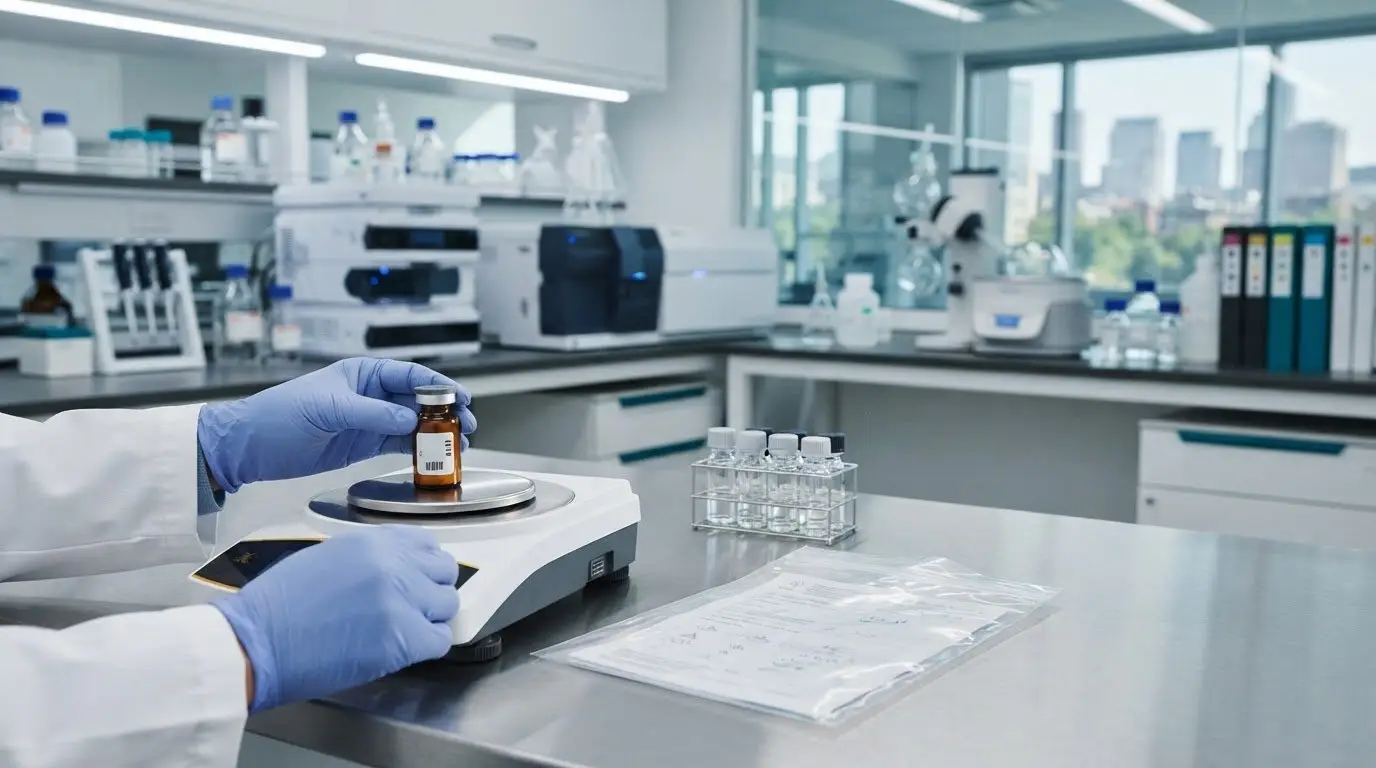
Auditing a Certificate of Analysis (COA) is the final step in securing experimental integrity. It transforms a simple promise of quality into a verifiable data point for your laboratory records. Every vial of lyophilized powder should feature a unique lot number printed directly on the label. This number is your direct link to the raw analytical data for that specific batch. If a supplier provides a report that doesn’t correspond to the lot number on your vial, the documentation is essentially useless for scientific validation.
To verify your materials, access the supplier’s official documentation database. At Solara Compounds, researchers can visit solaracompounds.com/coa/ to search for their specific batch. This level of transparency is what defines reliable third party tested peptides USA. Once you have the report, cross-reference the lot number with the HPLC and Mass Spectrometry data provided by the independent laboratory. It’s also vital to check the date of the analysis. High-purity research compounds should come from recent production runs to ensure that the chemical stability hasn’t been compromised by long-term storage or environmental exposure.
Essential Components of a Valid COA
A comprehensive COA must include several technical markers. First, look for the purity percentage derived from HPLC analysis. Solara Compounds targets a minimum purity threshold of >98% to minimize experimental noise. Second, the report must confirm the compound’s identity by matching the theoretical molecular mass to the measured mass found in the MS report. Finally, look for notes on physical appearance and solubility. These details are critical for establishing accurate laboratory reconstitution protocols. If you’re ready to secure verified materials for your next study, you can shop research peptides at solaracompounds.com.
Red Flags in Peptide Documentation
- Generic Reports: Documentation that lacks a specific lot number or date is a major red flag. These are often “representative” samples that don’t reflect the actual material in your possession.
- Unverifiable Laboratories: Reports should come from recognized independent facilities with clear contact information. If you can’t verify the lab’s existence, you can’t trust the data.
- Data Mismatches: The purity percentage claimed in the summary must match the visual evidence on the HPLC chromatogram. A single large peak should dominate the graph with minimal baseline noise or secondary peaks.
Please remember that all products are for laboratory research only and are not intended for human or animal consumption. Maintaining a rigorous audit process ensures that your research findings remain reproducible and scientifically sound.
Solara Compounds: The Documentation-First Standard
Solara Compounds operates on a principle of absolute transparency. We provide batch-level documentation for every compound we supply, ensuring that researchers never have to guess about the chemical identity of their materials. When you source third party tested peptides USA through solaracompounds.com, you’re choosing a partner that prioritizes empirical data over marketing claims. This documentation-first approach is essential for maintaining the integrity of multi-phase projects where consistent batch quality is a non-negotiable requirement. We believe that a researcher’s focus should remain on their data, not on the reliability of their reagents.
A Curated Catalog for Modern Research
Our inventory is specifically designed to support diverse scientific models. The Solara catalog includes high-purity research tools such as SOL-3RT, SOL-2TZ, and BPC-157. These materials are frequently utilized in metabolic and cellular research applications where precision is paramount. We also provide specialized compounds like TB-500 and GHK-Cu in stable, lyophilized powder form for regenerative signaling studies. Each vial is traceable via a specific lot number, which allows academic and independent investigators to verify their reagents against our live COA database. You can Shop Research Peptides to see our current inventory levels. For multi-phase projects, we facilitate institutional procurement and bulk orders to ensure batch consistency across the entire duration of a study.
Support for Qualified Scientific Buyers
We understand that technical inquiries are a routine part of laboratory management. Our research support team is available to assist with questions regarding batch-specific data or shipping logistics. You can reach us at support@solaracompounds.com or by calling 1 (877) 388-9178. Our standard operating hours are Monday through Friday, 8 AM to 5 PM ET. We stand by the quality of our logistics with a 14-day refund policy for laboratory shipments that are damaged or lost in transit. This policy provides an additional layer of security for domestic procurement, ensuring your facility’s resources are protected.
It’s important to remember that all products from Solara Compounds are for laboratory research only. They are not medicine, not supplements, and not for people or animals. Our commitment to providing third party tested peptides USA is driven by a goal to advance scientific discovery through reliable material science. By maintaining strict cleanroom standards and independent verification, we act as a bridge between complex synthesis and your laboratory’s practical application.
Advancing Laboratory Precision with Verified Standards
Verification is the cornerstone of reliable results. By prioritizing third party tested peptides USA, researchers eliminate the variables associated with inconsistent purity and opaque sourcing. We’ve explored how independent audits from Kovera Labs and technical analysis via HPLC provide the transparency required for institutional data integrity. Domestic sourcing from Florida further ensures that your materials arrive stable and ready for multi-phase studies.
Solara Compounds remains committed to a documentation-first approach. We provide batch-specific COAs for every lot, ensuring full lot-number traceability for every vial of lyophilized powder. All products are for laboratory research only and are not for human or animal consumption. When your project demands precision, our curated catalog of high-purity research tools is ready to support your next breakthrough. We also offer free shipping on orders over $200 for your bulk laboratory procurement needs.
Shop high-purity research peptides at solaracompounds.com/shop/
We look forward to acting as your partner in maintaining the highest analytical standards for your future research endeavors.
Frequently Asked Questions
What does third-party tested mean for research peptides?
Third-party testing refers to the independent verification of a compound’s identity and purity by an external laboratory like Kovera Labs. This process ensures that the findings are objective and free from manufacturer bias. For scientists in research hubs like Boston and San Diego, third party tested peptides USA provide the necessary assurance that reagents meet strict quantitative standards. This external oversight is the only way to confirm structural integrity before beginning sensitive biochemical assays.
How do I read an HPLC report for a peptide batch?
Reading an HPLC report involves identifying the primary peak on the chromatogram and calculating the area under the curve (AUC). The purity percentage is determined by the ratio of this target peptide peak to the total integrated peak area. Researchers in cities like Houston and Raleigh look for a clean baseline with minimal secondary peaks. This data confirms that the lyophilized powder is free from residual solvents or synthesis byproducts that could interfere with experimental results.
Why is batch-specific testing better than generic testing?
Batch-specific testing provides lot-number traceability for the exact vial in your laboratory. Generic testing often relies on representative samples that may not reflect the specific impurities of a new production run. For multi-phase projects in Seattle or Austin, using batch-specific COAs from solaracompounds.com ensures that every variable is accounted for. This level of precision is vital for experimental reproducibility and maintaining the integrity of longitudinal data across different research phases.
Can I use these peptides for personal health or wellness?
No; all products from Solara Compounds are strictly for Research Use Only (RUO). These compounds are not medicines, supplements, or drugs, and they are never intended for human or animal consumption. They are synthesized for in-vitro and controlled laboratory work only. Researchers must maintain a clear boundary between laboratory reagents and consumer products. Using these materials for personal health or wellness is a violation of safety protocols and laboratory standards.
What is the standard purity for research-grade compounds?
The industry standard for high-quality research-grade compounds is a minimum purity of >98%. Solara Compounds frequently provides materials with 99%+ HPLC purity to ensure the highest possible signal-to-noise ratio in biochemical assays. In competitive research environments like San Francisco or New York, this level of refinement is necessary to prevent chemical interference. High purity ensures that observed biological responses are caused solely by the target peptide sequence being investigated.
How should lyophilized peptides be stored in a lab?
Lyophilized peptides should be stored in a temperature-controlled environment to prevent degradation. For long-term laboratory use, most researchers keep these vacuum-sealed vials in a freezer at -20°C or -80°C. This preservation method maintains the structural stability of the amino acid chains. Facilities in humid climates like Miami or Tampa must be especially diligent about maintaining the vacuum seal to prevent moisture from compromising the integrity of the lyophilized powder.
Does Solara Compounds ship to research facilities outside the USA?
Solara Compounds doesn’t provide international shipping. We focus exclusively on domestic distribution from our Florida-based facility to research institutions within the United States. This allows us to provide fast shipping to major hubs like Chicago, Philadelphia, and Baltimore while maintaining a reliable logistics chain. Focusing on third party tested peptides USA allows us to guarantee that materials reach your laboratory without the degradation risks associated with prolonged international transit or customs delays.
What is the difference between SOL-3RT and SOL-2TZ in a research context?
SOL-3RT and SOL-2TZ are distinct research compounds used to investigate different metabolic pathways. They possess unique amino acid sequences and molecular weights, which are confirmed through LC-MS and MALDI-TOF analysis. While both are used in metabolic research models, their chemical properties lead to different interactions in cellular studies. Researchers in Dallas or Phoenix select these specific tools based on the molecular targets defined in their experimental protocols to ensure precise scientific outcomes.