Research Articles
High Purity Research Peptides: Sourcing & Verification


Analytical purity is not a fixed attribute of a chemical compound; it is a variable, batch-specific metric that requires rigorous verification for every new lot. For many researchers, the primary challenge isn’t just finding a supplier, but ensuring that the high purity research peptides arriving at the lab actually meet the 99% or higher benchmarks required for reproducible results. Inconsistent documentation and opaque testing standards often leave institutional and independent laboratories questioning the structural integrity of their materials. These discrepancies can lead to compromised data and significant delays in project timelines.
For optimal outcomes in research, utilizing high purity research peptides is essential, as they provide the necessary reliability for various experiments.
You likely recognize that a generic specification sheet is no substitute for a lot-matched Certificate of Analysis (COA). This guide provides the technical framework you need to evaluate peptide purity, interpret HPLC and Mass Spectrometry data, and source reliable compounds from providers like Solara Compounds. We’ll explore the essential verification steps that differentiate industrial-grade chemicals from precision research materials. All products discussed are for laboratory research only and are not for human or animal consumption. By focusing on batch-level transparency and secure, US-based delivery via solaracompounds.com, you can ensure your research timelines remain uninterrupted by material failure.
Understanding the importance of selecting high purity research peptides can significantly influence the data quality and reproducibility in scientific studies.
Key Takeaways
- Learn why HPLC and Mass Spectrometry are the industry standards for verifying the molecular weight and sequence identity of your research compounds.
- Understand how to interpret batch-specific Certificates of Analysis (COAs) to ensure your lab receives materials that meet or exceed 99% purity.
- Discover the critical role of lyophilization and vacuum sealing in maintaining the structural integrity of high purity research peptides during transit and storage.
- Evaluate the benefits of domestic U.S. sourcing to avoid customs delays and ensure the stability of metabolic research tools like SOL-3RT and SOL-2TZ.
- Explore the Solara Compounds catalog at solaracompounds.com, ensuring all procured materials are utilized strictly for laboratory research only.
Defining High Purity Research Peptides for Laboratory Use
In laboratories, high purity research peptides are vital for ensuring that experimental results are consistent and reproducible across different studies.
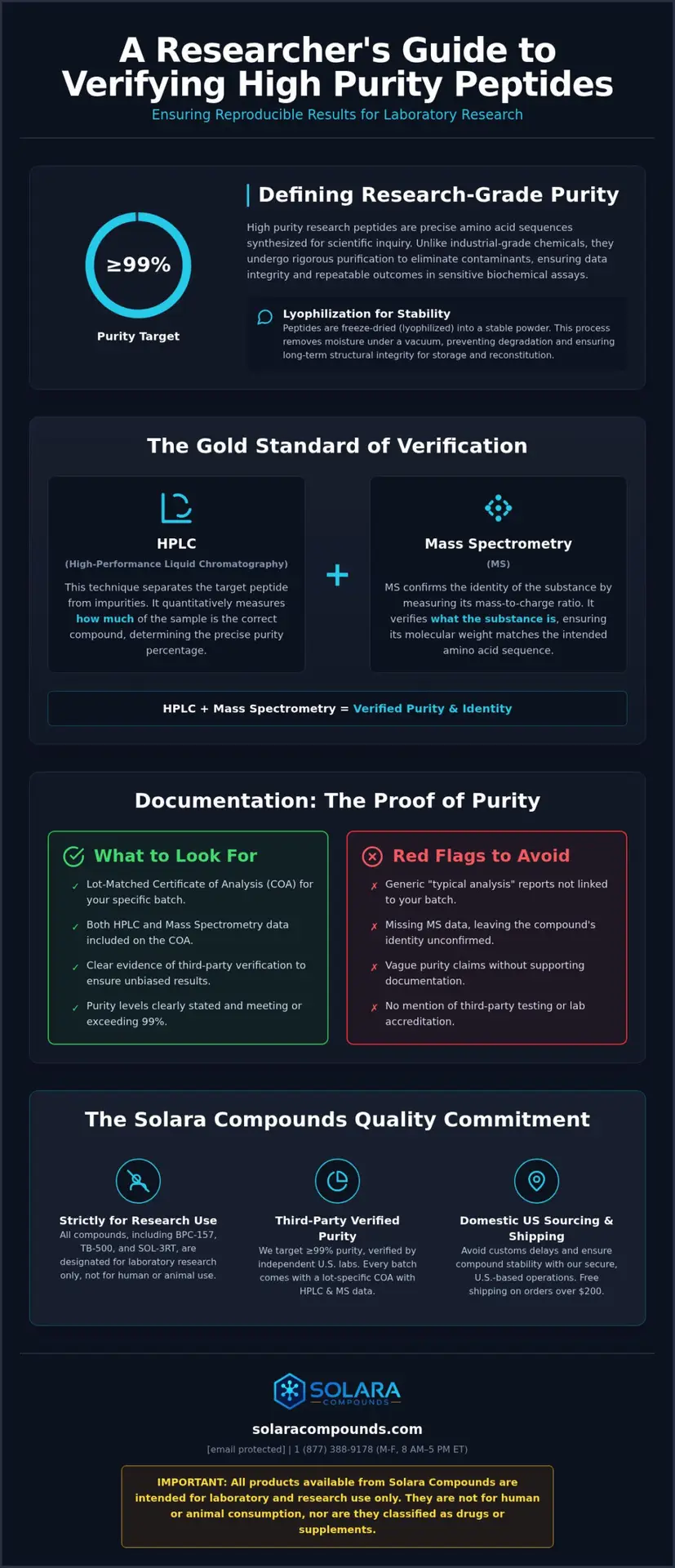
High purity research peptides are precise sequences of amino acids synthesized to meet strict analytical standards, typically targeting a purity level of 98% or higher. These compounds are designed specifically for scientific inquiry within controlled environments. Unlike bulk industrial chemicals, which may prioritize volume over exactitude, precision-synthesized peptides undergo rigorous purification processes to ensure the final product matches the intended molecular blueprint. This level of accuracy is fundamental for researchers who require repeatable data in complex biochemical models.
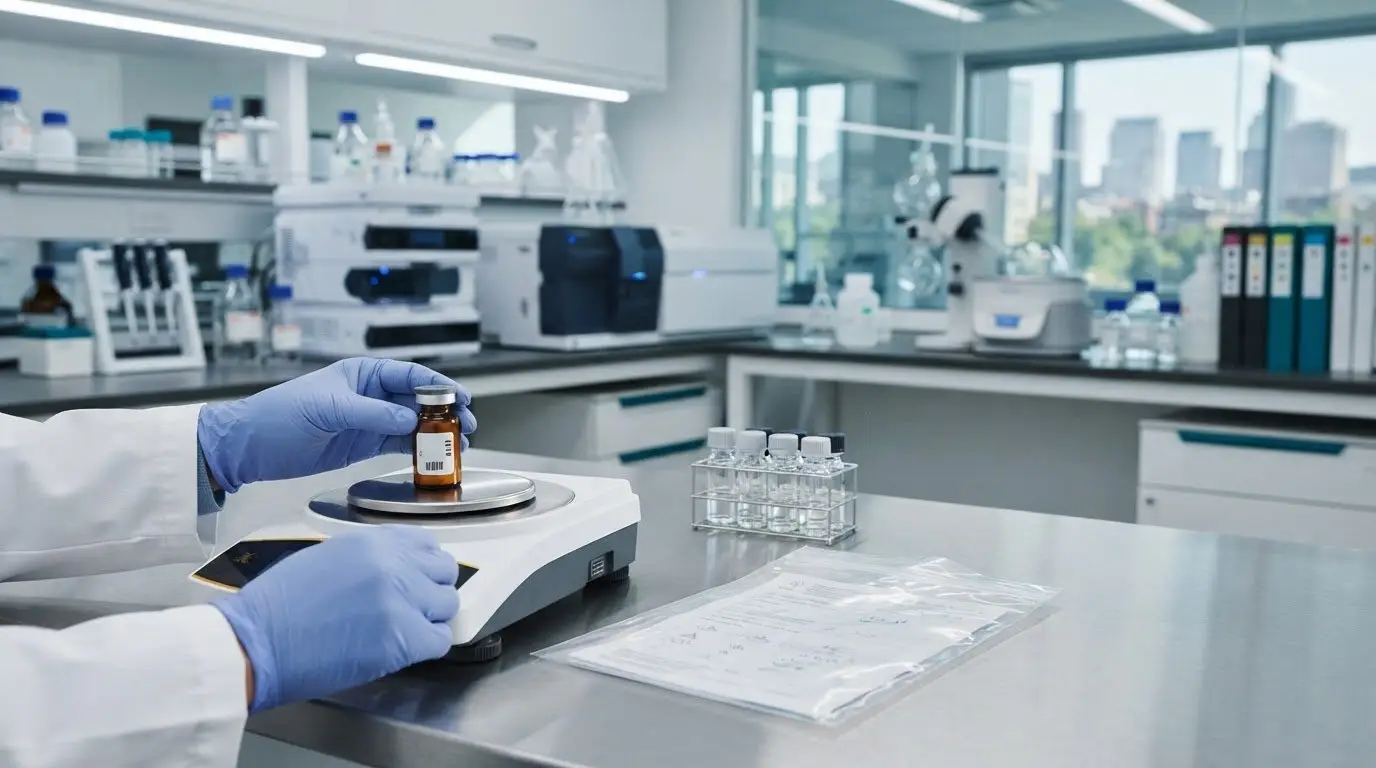
Lyophilization, or freeze-drying, plays a central role in maintaining the integrity of these compounds. By removing moisture through sublimation under a vacuum, the peptide is transitioned into a stable, porous cake. This state prevents the degradation that often occurs in aqueous solutions, allowing for long-term storage and reliable reconstitution in the lab. For institutional compliance, the Research Use Only (RUO) designation is a critical boundary. This classification ensures that these materials are used strictly for investigative purposes and are not mistaken for medical or consumer products. Every compound from Solara Compounds is labeled for laboratory research only to maintain these rigorous standards.
The Importance of Molecular Integrity in Biochemical Modeling
The presence of impurities can significantly skew data in sensitive assays. If a compound contains non-target sequences or residual reagents, these contaminants may interfere with receptor binding assays, which measure how effectively a molecule attaches to a specific cellular protein. Residual trifluoroacetic acid (TFA) or salts from the synthesis process can also alter the pH of a medium, potentially leading to unintended cellular responses or protein denaturation. Peptide purity is the percentage of the target sequence relative to total peptide content. Utilizing high purity research peptides minimizes these variables, providing a consistent foundation for metabolic pathway research.
Using high purity research peptides helps minimize experimental errors and enhances the reliability of assay outcomes.
Intended Applications for Research-Grade Materials
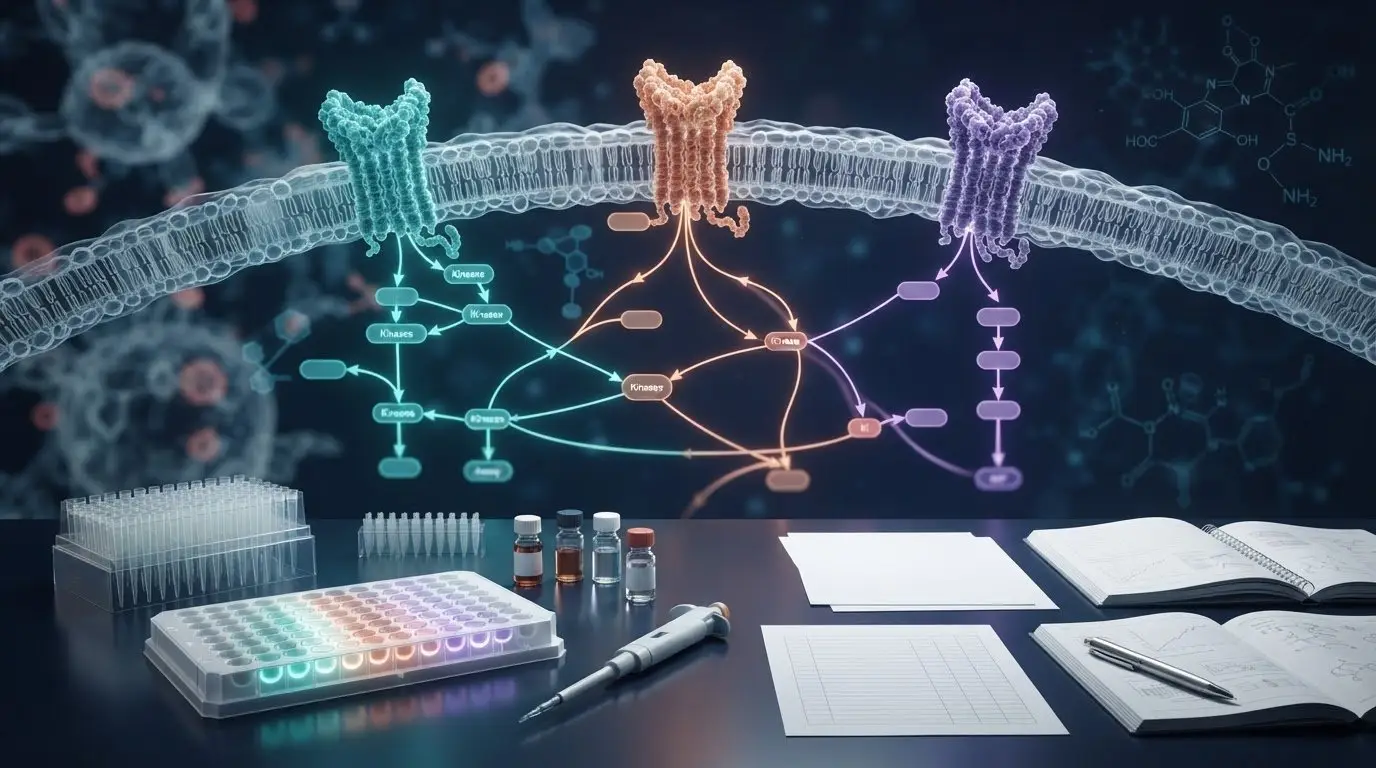
These materials are intended for use by qualified researchers in professional laboratory settings. Common applications include in-vitro studies, where compounds are tested on isolated cell lines to observe cellular signaling pathways. These pathways are the internal communication networks that tell a cell how to react to its environment. High purity research peptides are also essential for biochemical analysis and mass spectrometry calibration, where a known standard is required to verify the identity of other substances. All products available at solaracompounds.com are for laboratory research only and are not medicine, not supplements, and not for people or animals.
Lab settings that prioritize high purity research peptides often see improved data integrity and experiment accuracy.
HPLC and Mass Spectrometry: Verifying Scientific Grade Standards
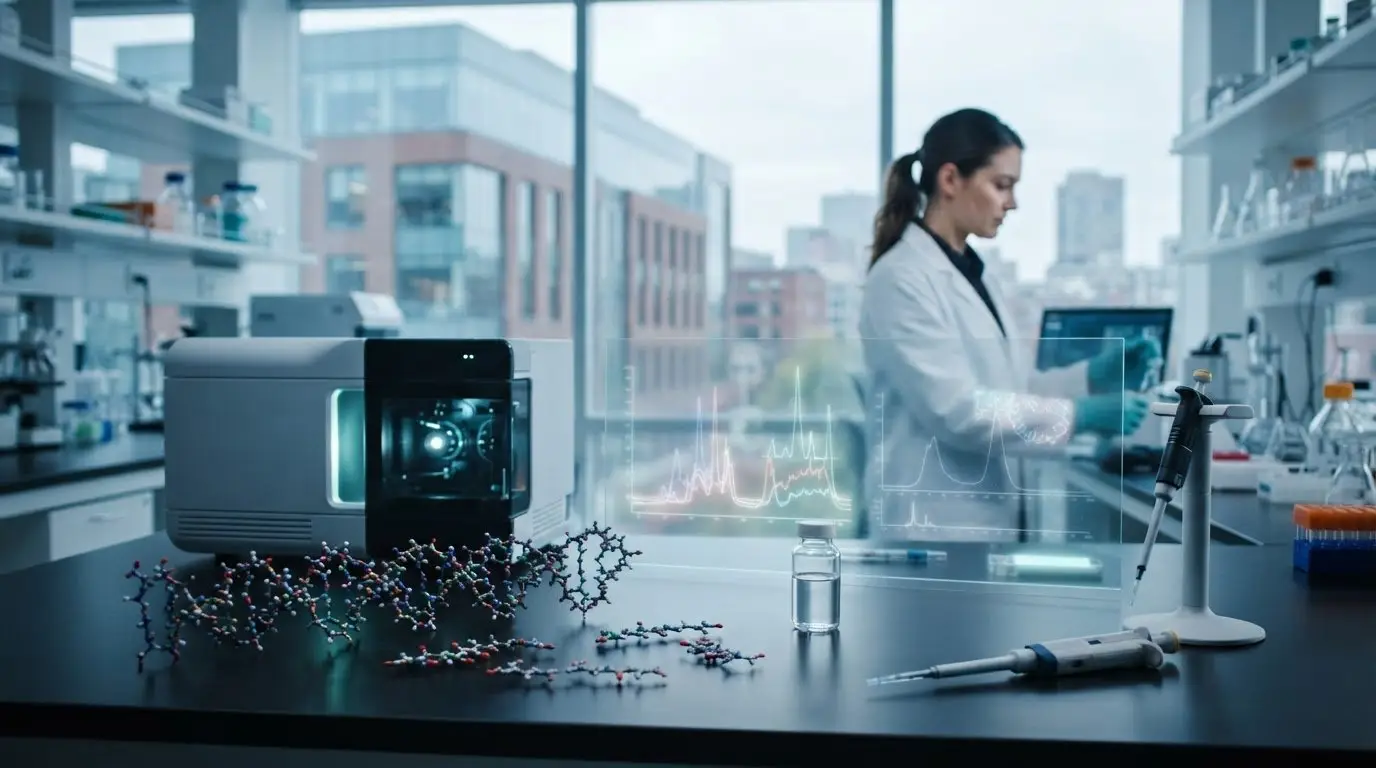
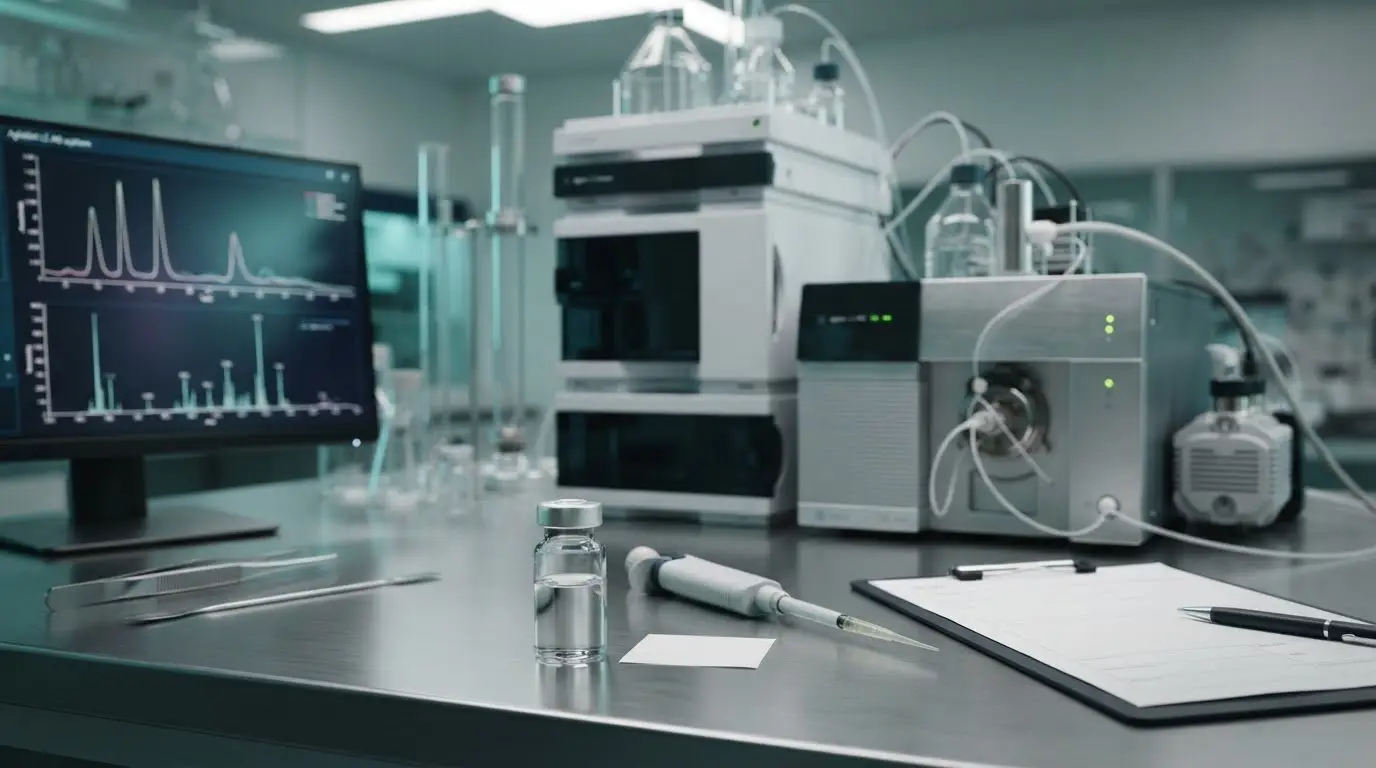
High-Performance Liquid Chromatography (HPLC) is the analytical engine of peptide verification. This process works by pushing a liquid solvent through a column filled with adsorbent material, which separates the target sequence from any residual reagents or truncated chains. For high purity research peptides, HPLC provides the quantitative proof that the target sequence dominates the sample. It’s the primary tool researchers use to determine the exact purity levels of a compound before beginning an experiment.
By verifying the purity of high purity research peptides through HPLC, researchers can ensure the validity of their experimental protocols.
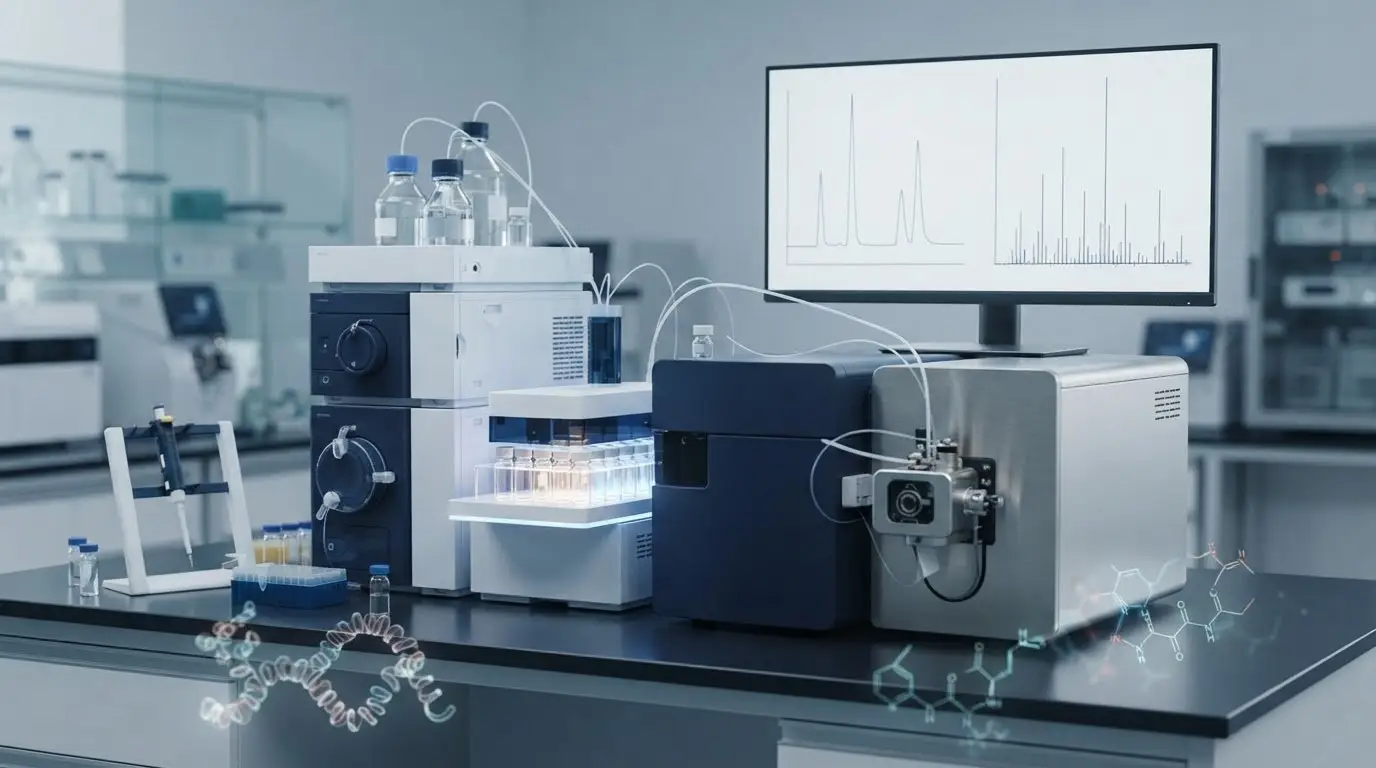
While HPLC measures how much of a substance is present, Mass Spectrometry (MS) confirms exactly what that substance is. MS measures the mass-to-charge ratio of ions to verify that the synthesized molecule matches the target chemical formula. Without this step, a sample could technically be 99% pure but consist of the wrong amino acid sequence. Solara Compounds utilizes these technologies to ensure that primary research compounds, such as SOL-3RT and BPC-157, meet a purification target of ≥99%.
Mass Spectrometry is crucial in confirming that high purity research peptides meet the required analytical standards before use.
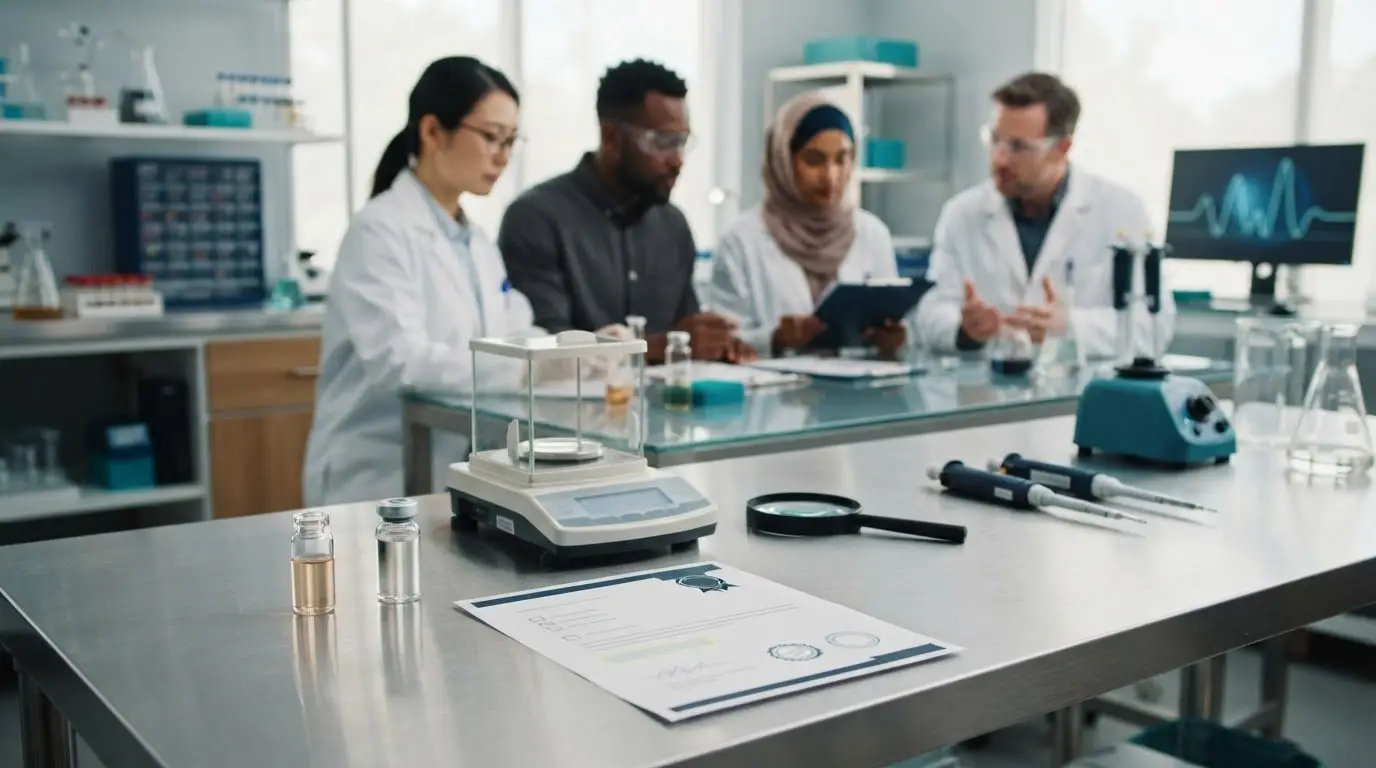
Many suppliers provide representative or typical analysis reports, which are generic documents from previous batches. These are insufficient for precise laboratory work because they don’t reflect the specific lot in the researcher’s hands. Lot-matched data is superior because it provides a direct audit trail for the exact vial being used. You can view the current research catalog to see how these standards are applied across the entire Solara Compounds inventory.
Interpreting HPLC Chromatograms for Purity Calculation
A chromatogram is a visual graph where the main peak represents the target peptide and smaller peaks indicate impurities. Purity is calculated using the Area Under the Curve (AUC) method; the area of the main peak is compared to the total area of all detected peaks. This ratio determines the final purity percentage. Lab buyers should always Review the batch COA to verify these ratios for their specific lot number before initiating a study. All materials are for laboratory research only and are not for human or animal consumption.
Identity Confirmation via MALDI-TOF and LC-MS
MALDI-TOF and LC-MS are advanced spectrometry techniques that provide a molecular fingerprint of the compound. Verifying the molecular weight ensures experimental repeatability, as even a minor sequence error can change how a peptide interacts with a target receptor. LC-MS differentiates the target peptide from synthesis byproducts by separating molecules based on their physical properties before measuring their individual mass. This rigorous verification at solaracompounds.com ensures that every compound remains a reliable tool for metabolic and regenerative signaling research.
Comparing Research Peptide Suppliers: Documentation vs. Marketing
Choosing suppliers that provide verifiable data on high purity research peptides can significantly impact the reliability of your laboratory results.
A common pitfall in procurement is falling for the ‘Marketing Purity’ Trap. Some vendors treat “99% pure” as a static brand slogan rather than a verifiable analytical outcome. For peer-reviewed research, a generic claim is insufficient. Purity is a batch-variable metric that must be confirmed for every unique lot of high purity research peptides. Solara Compounds addresses this by providing direct access to batch-specific documentation rather than representative reports. You can learn more About Us and our commitment to transparency by reviewing our internal standards.
Supplier accountability often hinges on the technical expertise of the support staff and the founder. When a lab buyer has a technical question about a COA or a specific chemical property, they need to speak with someone who understands the material science. Solara Compounds prioritizes this technical support, ensuring that every interaction is grounded in empirical data rather than marketing fluff. This level of professional oversight is what separates a reliable partner from a simple reseller. All research materials are available at solaracompounds.com for qualified laboratory use.
Key Metrics for Supplier Evaluation
Evaluating a supplier requires looking beyond the website interface. High-quality synthesis occurs in ISO 7 cleanrooms, which minimize particulate contamination and ensure atmospheric control. Traceability is equally vital; every lyophilized vial must be assigned a unique lot number. This number connects the physical sample to its specific HPLC/MS report. Solara Compounds utilizes third-party testing through independent facilities like Kovera Labs to provide an unbiased layer of verification. This documentation-first approach ensures that researchers aren’t just buying a product, but a verified data set. All products are for laboratory research only and are not medicine, not supplements, and not for people or animals.
Institutional Procurement Considerations
Large-scale multi-phase projects often require bulk and wholesale purchase agreements to maintain consistency across long-term studies. University and R&D laboratory buyers frequently benefit from tiered pricing structures that accommodate the high volume of compounds needed for extensive modeling. When sourcing for these institutions, the stability of the supply chain is just as important as the initial purity. For a deeper look at how independent verification works, see our guide on Independent Peptide Lab Testing: Purity & Verification. It’s essential to remember that compounds such as SOL-3RT, BPC-157, and TB-500 are intended strictly for laboratory use and must never be used for human or animal consumption.
Logistics and Stability: Sourcing High Purity Peptides in the US
For successful research outcomes, sourcing high purity research peptides from reputable suppliers is key to maintaining material integrity.
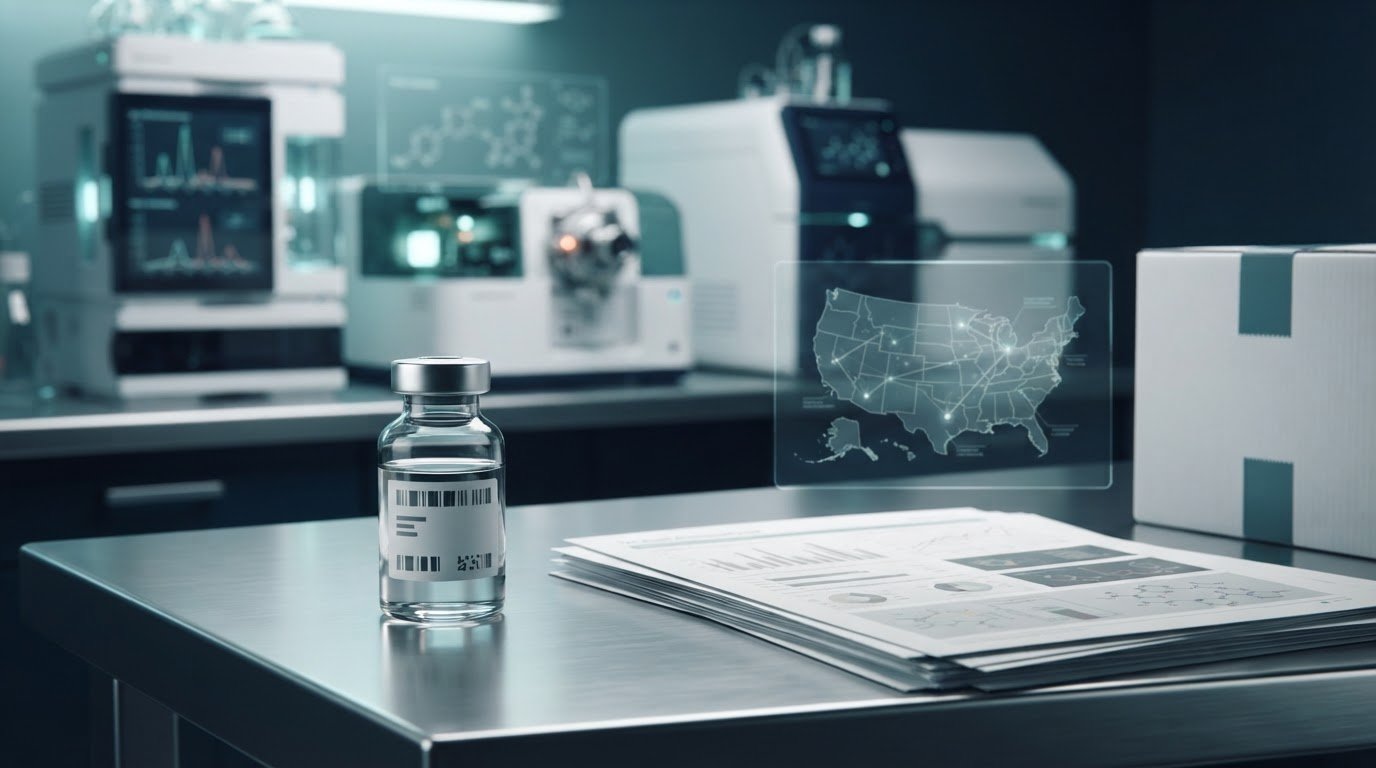
Domestic sourcing is a strategic necessity for maintaining the structural integrity of sensitive biochemical compounds. International logistics often introduce unpredictable delays at customs, which can subject materials to fluctuating environmental conditions for extended periods. By procuring high purity research peptides from a domestic source, lab buyers eliminate these external variables and ensure a more predictable supply chain. Solara Compounds operates from Florida, facilitating efficient transit to established research hubs in Boston, San Diego, Raleigh, and San Francisco. This proximity allows for a controlled logistics model that supports rigorous institutional research timelines.
Domestic sourcing of high purity research peptides minimizes logistical challenges and assures product quality during shipping.
The shipping protocol for these materials involves vacuum sealing and sterile packaging. Every lyophilized vial is sealed to prevent the ingress of moisture or oxygen, both of which can lead to molecular degradation. This physical barrier ensures that the compound remains in its intended analytical state from the cleanroom to the laboratory bench. Maintaining these standards is essential for researchers who require consistent performance across multiple study phases.
Peptide Stability During Transit and Storage
Lyophilized peptides are remarkably resilient to the temperature shifts encountered during standard domestic shipping. The freeze-drying process removes the moisture required for most degradation pathways, effectively stabilizing the amino acid chain in a porous, solid state. Once received, laboratory best practices dictate storing these vials in a dark environment to protect against light sensitivity, which can break down specific peptide bonds. The shelf life of vacuum-sealed research peptides is approximately two years when kept in a stable environment at -20°C.
Domestic Shipping Benefits for US Laboratories
Minimized transit times significantly reduce the risk of environmental exposure for high-grade research materials. While the lyophilized state is stable, reducing the duration of transit remains a core principle of precision science. This streamlined logistics model provides reliable delivery to laboratories in Austin, Seattle, and Houston. Solara Compounds provides free shipping on orders over $200.00 to support large-scale institutional projects and R&D budgets. All products are for laboratory research only and are not medicine, not supplements, and not for people or animals.
Technical assistance is accessible Monday–Friday, 8 AM–5 PM Eastern at support@solaracompounds.com or 1 (877) 388-9178. Every compound is synthesized and packaged under sterile conditions to meet the rigorous needs of modern biochemistry. To secure your next lot of verified compounds with fast domestic delivery, shop research peptides at solaracompounds.com.
The Solara Compounds Catalog: Precision Research Tools
The Solara Compounds catalog is engineered to provide researchers with a streamlined selection of highly verified biochemical tools. Every SKU in the inventory is subject to batch-level purity and identity verification, ensuring that the material arriving at your facility matches its analytical profile. By specializing in high purity research peptides, we provide the consistency required for complex, multi-phase experimental models. All compounds are intended for laboratory research only and are not for human or animal consumption.
Our commitment to precision extends to our logistics, with free shipping on orders over $200.00 to support large-scale laboratory operations. Solara Compounds maintains a documentation-first approach at solaracompounds.com, prioritizing empirical evidence over marketing claims. This ensures that every compound, from NAD+ to MOTS-C, serves as a reliable instrument in your scientific inquiry. If you have technical questions regarding a specific batch, our team is available Monday–Friday to provide the necessary data for your institutional compliance.
Metabolic and Incretin Research Compounds
Our metabolic research catalog features precision-synthesized incretin mimetics designed for pathway analysis. SOL-3RT (Retatrutide) and SOL-2TZ (Tirzepatide) are frequently utilized in studies investigating multi-receptor agonism, where researchers observe how these molecules interact with GLP-1, GIP, and glucagon receptors. These receptors are proteins that act as communication hubs for cellular energy regulation. We also offer Cagrilintide (10mg) for investigative research into amylin analogues and their role in metabolic signaling. You can Shop research peptides to view detailed chemical profiles and current batch availability.
Tissue Signaling and Cellular Biology Tools
Regenerative signaling research requires compounds that exhibit high structural stability and sequence accuracy. BPC-157 and TB-500 are primary tools for modeling tissue-signaling pathways and observing cellular migration in-vitro. These studies often focus on how specific amino acid sequences influence the internal repair mechanisms of a cell. For those exploring copper-peptide interactions, we provide GHK-Cu in 50mg and 100mg formats to accommodate varying assay scales. For more information on specific procurement standards, refer to our BPC-157 5mg Lab Use: Research Procurement Guide.
Securing Analytical Integrity for Future Research
Reliable biochemical data begins with the rigorous verification of your starting materials. You’ve learned that analytical purity is a batch-specific metric that must be confirmed through lot-matched HPLC and Mass Spectrometry reports rather than generic marketing claims. By prioritizing high purity research peptides and domestic logistics, laboratories can eliminate the variables that often lead to inconsistent experimental outcomes. Solara Compounds remains dedicated to this documentation-first approach, providing the transparency required for institutional and independent studies.
Prioritizing high purity research peptides can lead to more consistent experimental findings and greater trust in research outcomes.
Every compound in our catalog is third-party tested by Kovera Labs to ensure identity and purity benchmarks are met. We provide batch-specific COAs online at solaracompounds.com to ensure your lab has the data necessary for immediate project initiation. All products are for laboratory research only and are not for human or animal consumption. With free shipping on US orders over $200, we support the efficiency and stability of your research supply chain. View the current research catalog at solaracompounds.com to secure precision tools for your next study. We look forward to supporting your scientific progress with materials you can trust.
Researchers should always verify that high purity research peptides come with appropriate documentation to ensure compliance and quality.
Frequently Asked Questions
It’s crucial for labs to understand the nature and benefits of high purity research peptides in their specific research contexts.
What is the minimum purity level for research-grade peptides?
The industry standard for research-grade materials is typically a minimum of 98% purity as verified by HPLC. Solara Compounds targets a minimum purity level of >98% for all catalog items, with most primary sequences reaching 99% or higher. Maintaining these high purity research peptides is essential for ensuring that impurities don’t confound biochemical assays or metabolic pathway modeling in professional laboratory settings across the United States.
The commitment to high purity research peptides ensures that researchers get the best quality for their scientific inquiries.
How do I access the COA for my specific batch of SOL-3RT or SOL-2TZ?
Researchers can access batch-specific documentation by visiting solaracompounds.com/coa/. Every lot of SOL-3RT and SOL-2TZ is assigned a unique lot number that corresponds to its specific analytical report. This transparency allows lab buyers in hubs like San Diego and Boston to verify the exact purity of their high purity research peptides before beginning sensitive in-vitro studies or cellular signaling research.
Accessing the COA for high purity research peptides is vital for confirming the quality and integrity of the materials used in experiments.
Are Solara Compounds products intended for human consumption?
No, all products provided by Solara Compounds are strictly for laboratory research only. These compounds are not medicine, not supplements, and are not for people or animals. They are intended solely for use by qualified researchers in controlled settings, such as university labs in Raleigh or San Francisco. It’s a violation of the terms of service to use these materials for any form of human or animal application.
What is the difference between HPLC and Mass Spectrometry in peptide testing?
HPLC (High-Performance Liquid Chromatography) is used to determine the purity of a sample by separating the target peptide from residual reagents or synthesis byproducts. Mass Spectrometry (MS) is used to confirm the molecular weight and amino acid sequence of the compound. While HPLC tells a researcher how much of the substance is present, MS verifies that the substance is indeed the correct chemical sequence required for the study.
How should lyophilized peptides be stored once they arrive at the laboratory?
Lyophilized peptides should be stored in a stable, temperature-controlled environment to prevent degradation. For long-term storage, we recommend keeping vacuum-sealed vials at -20°C in a dark location to protect against light sensitivity. Proper storage ensures that compounds like BPC-157 or TB-500 maintain their structural integrity for up to two years, providing consistent results for Solara Compounds clients in Austin and Seattle who require high-grade materials.
Proper storage of high purity research peptides is essential for maintaining their efficacy and ensuring reliable experimental results over time.
Does Solara Compounds offer bulk pricing for university research projects?
Yes, Solara Compounds offers tiered pricing structures and wholesale purchase agreements for institutional clients. These agreements are designed to support large-scale, multi-phase projects at universities and R&D facilities in major hubs like Houston and New York. Researchers requiring high-volume orders for metabolic or regenerative signaling studies should contact support@solaracompounds.com to discuss customized procurement contracts tailored to their specific project requirements and institutional budgets.
Institutional projects requiring high purity research peptides should leverage bulk pricing to maintain consistency and reliability in their studies.
What is the typical shipping time for domestic US orders?
Operating out of Florida, Solara Compounds ensures fast transit times across the United States. Domestic orders typically arrive within a few business days, reducing the duration of environmental exposure during transit. We provide free shipping on orders over $200.00 to major research cities including Chicago and Philadelphia. Qualifying institutional orders may also be eligible for next-day shipping to ensure that critical research timelines remain uninterrupted by supply chain delays.
Why is lyophilization preferred over liquid peptide solutions for research?
Utilizing high purity research peptides provides a definitive advantage in the analytical accuracy necessary for biochemical studies.
Lyophilization is preferred because it significantly enhances the stability and shelf life of the peptide. By removing moisture through a vacuum process, the compound is stabilized in a solid state that is resistant to the degradation common in aqueous solutions. This process allows researchers in San Francisco or Baltimore to store materials for extended periods without compromising the analytical purity required for precise biochemical modeling and sequence verification.
Research teams in various locations benefit greatly from utilizing high purity research peptides for long-term studies.